Turkish White Bean Stew (Kuru Fasulye): A Hearty Meat-Free Recipe
This traditional recipe guides you through making meatless kuru fasulye, a famous Turkish white bean stew slowly simmered with onions, peppers, and savory tomato-pepper pastes
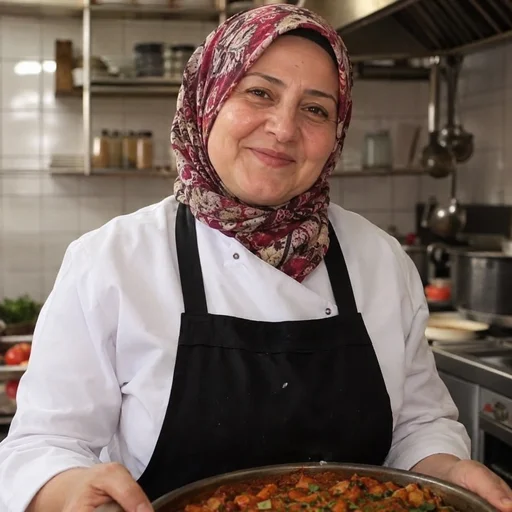 derya soyluChef & Food Writer
October 20, 2026
A good white bean stew does not need meat to be satisfying. Give the onions time to soften, cook the tomato and pepper pastes until their raw smell fades, and let the beans become tender without falling apart. You will have a dish worth serving with plenty of bread.
I judge kuru fasulye by its beans first, then its sauce. A bean should yield easily under a spoon while still holding its shape in the saucepan. The sauce should be lightly thickened—enough to coat the beans without becoming heavy.
For this recipe, we soak the beans overnight and partially cook them in fresh water before adding them to the onion and tomato mixture. Then we simmer everything gently until tender. If you have never cooked dried beans before, the steps below explain what to look for along the way.
Serves: 4–6
Preparation time: Approximately 15 minutes
Soaking time: 8–12 hours
Total cooking time: Approximately 60–100 minutes, depending on the beans
Measuring note: The original recipe uses a 200 ml measuring cup.
Ingredients
- 400 ml dried white beans, measured dry, approximately 320–350 g
- 1 medium onion
- 1 small fresh red chilli
- 1 tablespoon tomato paste
- 1 tablespoon Turkish red pepper paste
- 4 tablespoons neutral cooking oil
- 1 teaspoon ground black pepper
- 1 teaspoon paprika
- 1 teaspoon ground cumin
- Approximately 2 teaspoons salt, adjusted to the saltiness of the pastes
- 700 ml hot water to begin with, plus more as needed
For soaking and precooking
- Plenty of additional water
The soaking and precooking water is separate from the 700 ml used in the stew.
About the chilli: A small red chilli can add considerable heat. For a mild version, replace it with half a small sweet pointed red pepper.
About the pepper paste: Turkish biber salçası comes in mild and hot varieties. Check which one you are using before adding the chilli and seasonings.
How to Make Turkish White Bean Stew
1. Sort and rinse the beans
Spread the dried beans over a large plate or tray. Remove any small stones, foreign material or visibly damaged beans.
Transfer to a sieve and rinse thoroughly under running water.
It only takes a moment, but checking dried beans before cooking is a useful habit.
2. Soak overnight
Place the rinsed beans in a large bowl. Add enough cold water to cover them by at least 5–6 cm.
Use a roomy bowl, as the beans will absorb water and expand. Cover and refrigerate for 8–12 hours.
The next day, drain away the soaking water and rinse the beans again.
Soaking helps the beans cook more evenly, but they will still need thorough cooking.
3. Precook in fresh water
Place the soaked beans in a saucepan and cover with fresh water by several centimetres.
Bring to the boil. Skim off any foam that gathers on the surface, then reduce the heat and continue cooking.
Begin checking after approximately 20–30 minutes. Some beans soften quickly, while others take longer.
What texture are you looking for?
The outside should be starting to soften, with a little firmness remaining in the centre. Do not cook them until they are falling apart, because they will continue cooking in the stew.
Lift out one bean, let it cool slightly and press it with a spoon. If the centre is still very hard, continue precooking. Once it is partly tender, drain the beans.
4. Prepare the onion and pepper
Peel the onion and cut it into small, even pieces. Smaller pieces soften into the sauce more readily than large chunks.
Remove the pepper stalk and finely chop the flesh. If using a hot chilli, wash your hands afterwards and avoid touching your eyes.
5. Slowly soften the onion
Heat the oil in the saucepan you will use for the stew. Add the onion and cook over medium-low heat for approximately 6–8 minutes, stirring occasionally.
It should soften, become translucent and take on a little colour. Do not wait for it to turn dark brown.
Add the chopped pepper and cook for another 1–2 minutes.
If the onion begins sticking, lower the heat. The oil should not be smoking.
6. Cook the tomato and pepper pastes
Add both pastes. Use the back of your spoon to work them into the onion mixture.
Cook over low to medium heat for approximately 2–3 minutes, stirring. Their raw smell should fade as they mix with the oil.
If the paste starts catching on the bottom, loosen it with 1–2 tablespoons of hot water before it burns.
You want to develop its flavour, not darken it excessively.
7. Add the drained beans
Tip the partially cooked beans into the saucepan.
Gently turn them through the onion and paste mixture until evenly coated. Cook together for approximately 2–3 minutes.
Handle them carefully. Beans that have already softened can break if stirred vigorously.
8. Add hot water and seasonings
Pour in 700 ml hot water. Add the black pepper, paprika and cumin.
Start with only part of the salt if your pastes are salty. You can adjust it towards the end.
The liquid should sit slightly above the beans. A wide saucepan may require a little more water.
Avoid adding a large amount simply to cover the beans deeply. Starting with a measured quantity makes the final consistency easier to control.
9. Simmer gently
Bring the stew to the boil and let it bubble for a few minutes. Reduce the heat and leave the lid slightly ajar.
Keep it at a gentle simmer. A vigorous boil can split the skins and break up the beans.
Check after approximately 25–30 minutes, then continue cooking as needed. The bean variety, age and degree of precooking will affect the time.
If the liquid reduces while the beans remain firm, add a little more hot water.
Stir only when necessary, using gentle movements. You can also carefully rock the saucepan by its handles to move the contents without breaking the beans.
10. Check the beans and sauce
Lift a bean onto a plate. It should crush easily beneath a spoon, with no hard centre remaining.
Then check the sauce:
- Tender beans, thin sauce: Simmer uncovered for a few more minutes, watching closely.
- Too little sauce or an overly thick consistency: Add a little hot water and simmer briefly.
- Beans still firm: Continue cooking, even if the sauce already looks ready.
Taste and adjust the salt.
11. Rest before serving
Turn off the heat, cover and let the stew rest for approximately 15–20 minutes.
The sauce will settle and thicken slightly, so avoid reducing it too much before switching off the heat.
When serving, scoop from the bottom of the saucepan so each bowl gets both beans and sauce.
How to Thicken the Sauce
If the beans are tender but the sauce is thinner than you like, first try simmering uncovered briefly.
For a fuller consistency, remove 1–2 tablespoons of cooked beans and mash them on a plate. Mix with a little cooking liquid, then gently stir back into the saucepan.
Simmer for a few minutes. A small amount of mashed beans can make a noticeable difference without turning the whole dish into a purée.
Can You Use a Pressure Cooker?
Yes, but do not transfer the stovetop timings and liquid quantities directly to a pressure cooker.
Less water evaporates under pressure, and cooking times vary between appliances. Follow your manufacturer’s guidance for soaked beans, including the minimum liquid requirement and maximum filling level for pulses.
If you have already precooked the beans, remember that they are partly tender. Using the full timing intended for uncooked soaked beans may cause them to fall apart.
Small Details That Make a Difference
Check the pepper paste before seasoning. Some varieties are particularly salty or hot. Adjust the salt, chilli and paprika accordingly.
Soften the onion before adding water. Once the liquid goes in, the frying stage is over. Give the onion enough time at the beginning.
Handle softened beans gently. Frequent, forceful stirring can separate their skins and break them apart.
Add water gradually. It is easier to add a little hot water than to boil away excess liquid while already-tender beans continue cooking.
Let texture decide when the stew is ready. Timings are a guide. Always check a bean before taking the saucepan off the heat.
What to Serve with Turkish White Bean Stew
For me, the classic companions are rice pilaf and a few crisp pickles. Sliced onion or a simple seasonal salad also works well.
For a lighter preparation, serve the stew with warm bread alone. When the sauce has reached the right consistency, you will want something to soak up the last spoonful.
Let it cool slightly before the first bite. The beans can hold more heat inside than you expect.
Enjoy!
Derya Soylu
💬 Comments (0)
Traveler comments are shown in their original language.
No comments yet. Be the first to share your experience.
💬 Want to join the discussion?
Log in or create an account to leave a comment.