Turkish Baked Rice Pudding (Fırın Sütlaç): Creamy Inside with a Golden Top
Baked rice pudding (Fırında Sütlaç) is a deeply rooted and beloved traditional Turkish dessert made by baking a creamy milk and rice mixture in clay bowls until it develops a beautifully caramelized, golden-brown crust
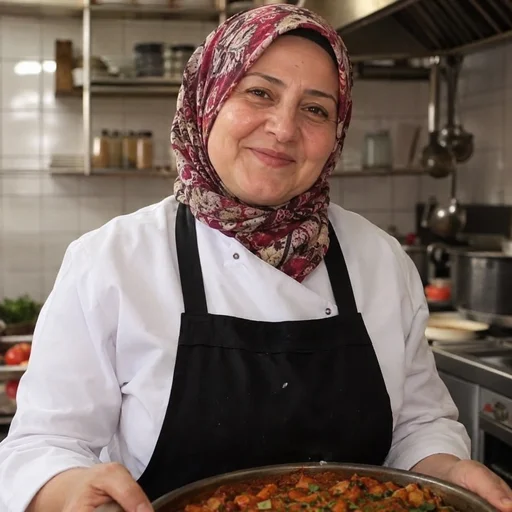 derya soyluChef & Food Writer
October 25, 2026
My favourite part of baked rice pudding is the first spoonful through its lightly browned surface. Underneath is a cool, creamy pudding with tender rice grains. That is the texture I look for: soft enough to spoon easily, with just enough body to hold together.
The preparation is straightforward, but two details matter. Cook the rice until fully tender, and avoid thickening the pudding too much on the stove. It will continue to firm up as it cools and chills.
This recipe contains no eggs. We brown the surface under the oven’s grill while keeping the pudding underneath soft and milky. Stay nearby during those final minutes—the colour can change quickly.
Makes: Approximately 6 bowls
Preparation time: Approximately 10 minutes
Stovetop cooking: Approximately 30–40 minutes
Browning time: Approximately 5–10 minutes, depending on your oven
Chilling time: At least 3 hours, preferably overnight
Ingredients
- 1 litre milk
- Approximately 170 g granulated sugar
- 100 ml short- or medium-grain rice, measured dry, approximately 80–85 g
- 3 level tablespoons wheat starch
- 5 g vanilla sugar, or vanilla flavouring according to its packaging
- 400 ml water
For mixing with the starch
- 100 ml cold milk
Optional toppings
- Coarsely chopped roasted hazelnuts
- Ground cinnamon
To clarify the milk quantity: You need 1.1 litres in total: 1 litre for the pudding and another 100 ml to mix with the starch.
Full-fat pasteurised milk works well. If buying wheat starch, make sure it is labelled as starch rather than ordinary wheat flour.
Equipment
- A large, heavy-bottomed saucepan
- A wooden spoon or silicone spatula
- A small bowl
- A whisk
- A ladle
- 6 pudding dishes suitable for both oven and grill use
- A deep roasting tray
- Oven gloves
Check your dishes before starting. Not every glass or ceramic bowl can withstand direct heat from an overhead grill.
How to Make Turkish Baked Rice Pudding
1. Prepare the rice
Check the rice and briefly rinse it in a sieve. There is no need to rub it thoroughly or rinse repeatedly.
Place it in the saucepan with 400 ml water and bring to the boil over medium heat.
Reduce the heat slightly and cook for approximately 15 minutes, stirring occasionally.
2. Make sure the rice is tender
Lift out a grain, let it cool slightly and check its texture. It should crush easily under a spoon, without a hard centre.
If the water has reduced but the rice remains firm, add a little hot water and continue cooking. Do not add the milk simply because the suggested time has passed.
A small amount of water may remain once the rice is tender. Avoid cooking the saucepan completely dry and letting the rice catch.
3. Add the milk
Pour 1 litre milk over the softened rice. Stir, reaching across the bottom of the saucepan.
Cook over medium heat until the milk approaches a simmer. Stay nearby so it does not boil over.
Once gently bubbling, reduce the heat and cook together for approximately 5 minutes.
Rice rising to the surface is not a reliable test of doneness. What matters is that it was thoroughly softened before adding the milk.
4. Add the sugar
Stir in the sugar until dissolved.
The mixture will still look quite fluid at this stage. That is normal; the starch has not been added yet.
5. Mix the starch with cold milk
Pour 100 ml cold milk into a separate bowl. Add the 3 level tablespoons of wheat starch.
Whisk until completely smooth, with no dry lumps.
Starch settles quickly, so stir it again immediately before adding it to the saucepan.
Do not sprinkle dry starch directly into hot pudding. Mixing it with cold milk first helps prevent lumps.
6. Gradually thicken the pudding
Lower the heat. Stir the pudding continuously while pouring in the starch mixture in a thin stream.
Keep stirring across the bottom and into the corners. Once the pudding returns to a gentle simmer, cook for approximately 4–5 minutes.
Stir in the vanilla and remove from the heat.
7. Check the consistency
The hot pudding should pour easily from a ladle while looking fuller than plain milk.
A thin coating on the back of a spoon is enough. If you wait for a thick, firmly set consistency in the saucepan, it may become too stiff after chilling.
If it has thickened excessively, loosen it with a little hot milk and briefly heat while stirring before portioning.
8. Fill the dishes evenly
Arrange the pudding dishes in the deep roasting tray.
Ladle the mixture into them, stirring the saucepan occasionally between portions. Rice settles towards the bottom, so this helps distribute it evenly.
Leave approximately 1–2 cm of space at the top of each dish.
9. Prepare the water bath
Carefully pour room-temperature water into the roasting tray until it reaches approximately halfway up the sides of the dishes.
Keep the water out of the pudding.
The water bath helps moderate the heat around the bases and sides. The oven’s overhead grill is what browns the surface.
Avoid pouring ice-cold water against hot dishes, and follow the cookware manufacturer’s instructions.
10. Brown the tops
Preheat the oven to 200°C. Activate the overhead grill or broiler according to your appliance’s instructions.
Place the tray in the upper part of the oven, leaving a safe distance between the dishes and the heating element.
Brown patches may appear within approximately 5–10 minutes, although the timing varies with grill strength and shelf position.
Watch continuously. A pale surface can darken within moments. If some dishes brown faster than others, carefully rotate the tray if it is safe to do so.
Remove when the tops have the colour you like. There is no need to blacken the entire surface.
11. Cool and chill
Using oven gloves, carefully remove the tray and place it on a stable, heatproof surface. Remember that the water will be very hot.
Once safe to handle, lift the dishes out of the water and set them on a heatproof surface. Avoid placing hot dishes on a cold or wet worktop.
Let the strongest heat escape, then refrigerate promptly rather than leaving them out for hours. Cover once cool and chill for at least 3 hours, preferably overnight.
How Do You Brown the Top Without Eggs?
There is no need to brush these puddings with egg yolk or sprinkle them with sugar. The surface colours under the overhead grill.
If the tops remain pale, check:
- Is the grill switched on?
- Is the tray too far from the heating element?
- Has the oven heated sufficiently?
Avoid simply extending the cooking time until the whole pudding dries out. Check that the heat is reaching the surface properly.
What If the Pudding Looks Too Thin?
Remember that hot and chilled pudding have different consistencies. Some fluidity when it leaves the stove is expected.
If it has not thickened at all after adding the starch, let it return to a gentle simmer and continue stirring for a few minutes.
If it remains noticeably thin, mix a small additional amount of starch with cold milk, then gradually stir it in and cook again. Never add dry starch directly, and avoid using a large quantity at once.
Tips for a Creamy Result
Soften the rice first. Trying to finish cooking hard rice after thickening the milk makes the process more difficult.
Use level tablespoons of starch. Too much can produce an overly firm pudding once chilled.
Stir regularly across the bottom. If the milk catches, do not scrape the burnt layer into the pudding.
Distribute the rice evenly. A gentle stir before each ladleful helps.
Keep the oven stage brief. The pudding is already cooked on the stove; the final stage mainly browns its surface.
How to Serve
Serve thoroughly chilled, with a little roasted hazelnut or a light dusting of cinnamon if you like.
I enjoy the first spoonful plain. It lets you taste the milk and feel the tenderness of the rice beneath the browned surface. Add the hazelnuts afterwards, taking a little with each bite.
Enjoy!
Derya Soylu
💬 Comments (0)
Traveler comments are shown in their original language.
No comments yet. Be the first to share your experience.
💬 Want to join the discussion?
Log in or create an account to leave a comment.