Homemade Künefe: Crisp Shredded Pastry with Melting Cheese
Famous for its unique combination of crispy shredded pastry, unsalted melting cheese, and sweet syrup, Künefe is a legendary Turkish dessert served hot with a vibrant topping of crushed pistachios.
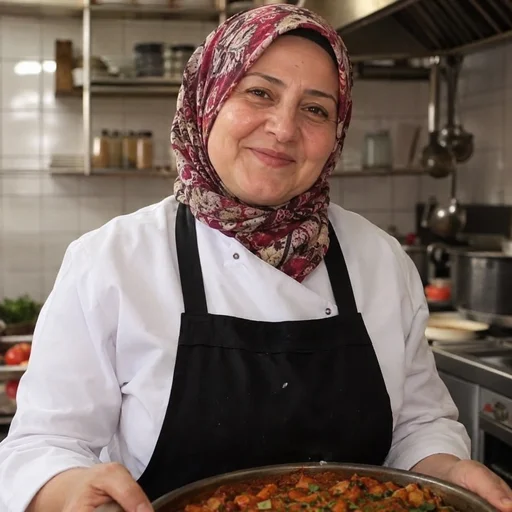 derya soyluChef & Food Writer
October 19, 2026
When you press a fork into a good künefe, the first thing you hear is the delicate crunch of golden pastry. Then comes the warm, stretchy cheese. The syrup should sweeten every bite without leaving the pastry soggy or swimming in liquid.
Making künefe at home can feel a little daunting, especially when it is time to turn it over. But with a suitable pan, low heat and a little patience, it becomes much more manageable. For your first attempt, choose a pan you can comfortably lift and turn.
In this recipe, we prepare the syrup first and leave it to cool. The künefe itself is cooked just before serving, while everyone is ready to enjoy it. That is when the pastry is crisp and the cheese is at its best.
Preparation time: Approximately 25 minutes
Cooking time: Approximately 20–30 minutes for the künefe
Serves: 4
Suggested pan: A 22–24 cm flat-bottomed non-stick frying pan or a künefe tray suitable for your hob
Ingredients
For the künefe
- 250 g raw kadayıf, also sold as kataifi shredded pastry
- 150 g unsalted künefe cheese
- 60 g butter
- 1 teaspoon grape molasses, known as pekmez
For the syrup
- 340 g granulated sugar
- 400 ml water
- 1 teaspoon lemon juice
To serve
- Finely ground unsalted pistachios
- Kaymak, clotted cream or plain ice cream, optional
The small amount of grape molasses helps the pastry develop a golden colour. There is no need to add more.
How to Make Künefe
1. Prepare the syrup and let it cool
Place the sugar and water in a small saucepan. Heat over medium heat, stirring until the sugar dissolves.
Once it starts boiling, add the lemon juice and lower the heat slightly. Simmer gently for approximately 10–12 minutes. The syrup should thicken a little but remain easy to pour.
Remove from the heat and leave to cool to room temperature. Have the cooled syrup ready before you begin cooking the künefe.
2. Prepare the cheese
Thinly slice or coarsely grate the künefe cheese. If it is wet, gently pat away excess moisture with kitchen paper.
The cheese needs to be unsalted and suitable for melting. If you cannot find künefe cheese, unsalted Turkish dil cheese is an alternative, although its flavour and stretch may differ. Avoid noticeably salty or brined cheeses.
Keep the prepared cheese in the fridge while you work on the pastry.
3. Divide the butter
Gently melt 40 g of the butter over low heat without letting it brown. Set aside until lukewarm.
Soften the remaining 20 g butter at room temperature. Mix it thoroughly with the grape molasses until you have a spreadable paste.
This simple method avoids having to melt, chill and separate the butter.
4. Cut and butter the pastry
Place the kadayıf in a large bowl. Gently loosen the strands with your fingers, separating any clumps. Cut them into short pieces, approximately 1–2 cm long.
Pour over the lukewarm melted butter. Toss and rub gently with your fingertips until the butter is evenly distributed.
Divide the pastry into two equal portions: one for the base and one for the top.
If using frozen kataifi, thaw it according to the packet instructions before starting.
5. Build the bottom layer
Spread half the molasses-butter mixture over the base and lower sides of your pan. Reserve the rest for cooking the second side.
Add half the pastry and spread it evenly, filling any gaps.
Press down with the flat base of a glass or a small plate. Pay attention to the edges so the pastry forms a neat, compact layer. Firm pressure is enough; there is no need to crush it.
6. Add the cheese and cover
Spread the cheese evenly over the pastry, leaving a 1 cm border around the edge. This helps keep the melting cheese inside rather than letting it escape and stick to the pan.
Cover with the remaining pastry, making sure no cheese is exposed. Press down again with a flat plate and tuck any loose strands into the edges.
You should now have an evenly packed künefe with a similar thickness throughout.
7. Cook the first side over low heat
Place the pan over a small or medium burner. If using gas, keep the flame beneath the base rather than letting it reach around the sides.
Cook over low heat for approximately 10–15 minutes. Every few minutes, carefully rotate the pan to help it brown evenly. Stay beside it as it cooks.
Once the edges begin to colour, gently lift one edge with a thin spatula and check underneath. It is ready to turn when the bottom is evenly golden.
Use the colour as your guide rather than relying only on the clock. A thin künefe tray and a heavy frying pan will heat at different rates.
8. Turn it over carefully
Take the pan off the heat. Cover it with a flat, heatproof plate slightly wider than the pan.
Wearing oven gloves, hold the plate and pan firmly together and turn them over in one controlled movement. Be careful of any hot butter that may drip.
Spread the reserved molasses-butter mixture inside the pan. Gently slide the künefe back in, keeping the browned side facing upwards.
If a small section of the edge comes loose, carefully tuck it back into place with a spatula.
9. Brown the second side
Return the pan to low heat. Cook for approximately 8–12 minutes, until the underside is golden and the cheese in the centre has melted.
Rotate the pan occasionally and check underneath towards the end. Aim for a rich golden colour without letting it turn dark brown.
10. Add the syrup and serve
Remove the künefe from the heat and let it stand for about 1 minute.
Slowly pour the room-temperature syrup over it, starting around the edges and working towards the centre. Distribute it evenly rather than pouring everything into one spot.
Begin with approximately two-thirds of the syrup. Wait 1–2 minutes for it to soak in, then add a little more wherever the pastry still looks dry. If plenty of syrup is pooling around the künefe, leave the rest in the saucepan.
Sprinkle with ground pistachios, cut into portions and serve immediately. Add kaymak or ice cream after transferring the portions to plates.
Tips for Crisp, Golden Künefe
Keep the pastry covered while you prepare everything else. Exposed strands can dry out and become harder to arrange neatly.
Leave a border around the cheese. Cheese that escapes at the edges can stick to the pan and make turning more difficult.
Resist the temptation to raise the heat. The base may brown before the cheese in the middle has had time to melt. Gentle cooking gives both layers time to heat through.
Make the pastry layers even. Thick patches cook differently from thin ones and can make the künefe harder to turn.
Pour cooled syrup over the hot künefe. If both are very hot, the pastry can soften too quickly.
Have the table ready before adding the syrup. The pastry gradually loses its crunch as it stands, while the cheese firms up as it cools. Prepare your plates and toppings beforehand.
Can I Prepare Künefe Ahead of Time?
You can assemble the pastry and cheese in the pan, cover it and refrigerate it for a few hours. The syrup can also be prepared ahead.
Cook the künefe close to serving time. If it comes straight from the fridge, the centre may take a little longer to heat through. Keep the heat low rather than turning it up to hurry things along.
I like to start cooking when everyone is ready for dessert. When the first forkful breaks through the crisp pastry and lifts a strand of warm cheese, the careful preparation feels well worth it.
Enjoy!
Derya Soylu
💬 Comments (0)
Traveler comments are shown in their original language.
No comments yet. Be the first to share your experience.
💬 Want to join the discussion?
Log in or create an account to leave a comment.