Turkish Spicy Bulgur Bites (Çiğ Köfte): A Meat-Free Recipe with Pomegranate Molasses
Authored by Derya Soylu, this step-by-step recipe guides you through making traditional meatless çiğ köfte, a famous Turkish vegan bulgur delicacy infused with rich tomato paste, hot isot pepper, and tart pomegranate molasses.
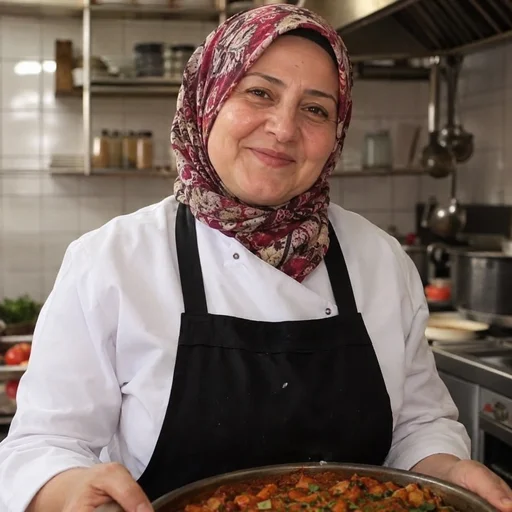 derya soyluChef & Food Writer
October 20, 2026
As you knead çiğ köfte, its aroma gradually changes. First, you notice the tomato paste and soaked bulgur. Then the isot pepper, garlic and pomegranate molasses begin to come together. When a small piece holds its shape in your hand and the bulgur no longer feels hard between your teeth, you are getting close.
The secret to homemade meat-free çiğ köfte is controlling the moisture. Add too much water at the beginning, and the mixture becomes difficult to shape. Leave it too dry, and no amount of seasoning will give you the texture you want. We start with a measured amount of boiling water, then make small adjustments as we knead.
This recipe makes enough to fill a large serving platter. Prepare it for a shared meal, or halve all the quantities for a smaller batch. Have plenty of lettuce, lemon wedges and flatbread ready.
Yield: Approximately 1 large serving platter
Preparation and initial resting time: Approximately 20 minutes
Kneading by hand: Approximately 30–45 minutes, depending on the bulgur
Measuring note: The ingredient quantities below use millilitres to avoid confusion between Turkish and international cup sizes.
Ingredients
For soaking the bulgur
- 800 ml fine brown bulgur, measured dry
- 400 ml boiling water
Look for fine bulgur labelled “köftelik” or “çiğ köftelik” in Turkish or Middle Eastern shops. Ordinary fine bulgur is an alternative. Coarse bulgur intended for pilaf is unsuitable for this recipe.
For the flavour
- 2 tablespoons tomato paste
- 2 tablespoons Turkish red pepper paste
- 1½ tablespoons red chilli flakes
- 50 ml isot pepper flakes
- 50 ml paprika, preferably sweet and unsmoked
- 3 garlic cloves, finely grated
- 2 medium onions
- 100 ml neutral cooking oil
- 50 ml pomegranate molasses
- 2 tablespoons ground sumac
- 1½ teaspoons ground cumin
- 1 teaspoon ground black pepper
- Approximately 2 teaspoons salt, reduced as needed depending on the saltiness of the pastes
You can replace part of the neutral oil with olive oil.
To add gradually while kneading
- Cold drinking water, as needed
- 1 small tomato, finely grated, optional
- A few small ice cubes made from drinking water, optional
Optional finishing ingredient
- ½ bunch fresh parsley, finely chopped
To serve
- Lettuce leaves
- Lemon wedges
- Lavash or another thin flatbread
- Fresh mint, parsley and pickles, optional
A Quick Guide to the Turkish Ingredients
Isot is a dark Turkish pepper seasoning, often sold as Urfa pepper. It has a distinctive flavour, and its heat varies between products.
Red pepper paste, called biber salçası, comes in sweet and hot varieties. Check the label before buying.
Pomegranate molasses, called nar ekşisi, provides concentrated tartness. Choose pure pomegranate molasses if available, rather than a sweetened pomegranate-flavoured sauce.
Sumac is a reddish-purple ground seasoning with a tart flavour.
Adjust the Heat Before You Begin
With the full quantities listed, this is a generously seasoned, spicy recipe. The heat of your isot, chilli flakes and red pepper paste will affect the result.
For your first attempt, reserve some of the isot and chilli flakes. Taste towards the end of kneading and add more if needed. Choosing sweet paprika and mild red pepper paste also gives you greater control.
How to Make Meat-Free Çiğ Köfte
1. Soak the bulgur
Place the bulgur in a large, heatproof bowl or a wide kneading tray. Pour 400 ml boiling water evenly over it.
Stir with a spoon to distribute the water, then cover and leave for approximately 10 minutes.
Uncover and loosen the bulgur with a spoon. Let it cool until comfortable to handle.
It does not need to be completely soft at this stage. It will continue absorbing moisture as you knead.
2. Grate the onions and squeeze out their liquid
Peel the onions and grate them using the fine side of a grater.
Transfer to a clean sieve and press with the back of a spoon to remove excess juice. Alternatively, squeeze through a clean, food-safe cloth.
Use the onion pulp in the mixture and discard the extracted juice. This helps control both the moisture and the strength of the raw onion flavour.
Finely grate the garlic and set it aside.
3. Work the pastes and seasonings into the bulgur
Add the tomato paste, red pepper paste, squeezed onion and garlic to the cooled bulgur.
Add the isot, chilli flakes, paprika, sumac, cumin and black pepper. If the pastes are salty, start with only part of the salt.
Mix everything together with your hands. Then begin kneading: press the mixture firmly against the tray with the heel of your hand, push it forwards, gather it back into the centre and repeat.
Simply turning it over is not enough. The pressing and rubbing movements help bring the mixture together.
It may look dry and loose at first. Resist the urge to pour in lots of water immediately.
4. Add the oil and pomegranate molasses
Once the pastes are evenly distributed and the colour looks consistent, add the oil and pomegranate molasses.
Continue kneading until both are incorporated.
If oil is collecting at the bottom of the bowl, gather the mixture from the edges and keep working it together.
You can taste a small piece now, but leave the final adjustments until the texture has developed.
5. Add moisture a little at a time
If the mixture feels very stiff, crumbles continuously or is difficult to press together, add 1 tablespoon of cold water.
Knead for a few minutes before deciding whether it needs more.
If using tomato, finely grate it and leave out the skin. Add the pulp gradually by the spoonful rather than pouring it all in at once.
You do not have to use all the tomato, and you may need very little extra water. Different bulgur absorbs different amounts.
6. Continue kneading and check the texture
Kneading by hand may take approximately 30–45 minutes. Treat this as a guide rather than an exact finishing time.
Occasionally take a small piece and check:
- Does it hold together when squeezed?
- Do the edges stay intact after shaping?
- Is the bulgur still unpleasantly hard?
- Is the mixture moist and cohesive without becoming loose or runny?
You want a mixture that holds your finger marks, with softened bulgur and enough firmness to shape.
If you need a short break, cover the mixture so its surface does not dry out. Then continue kneading.
7. Use ice only if needed
The mixture can warm up during prolonged kneading. If this happens, add one small ice cube and knead until it melts.
Remember that ice becomes additional water. Adding a handful at once may soften the mixture too much.
If the mixture is already moist enough and has not become warm, you can leave the ice out.
8. Make the final flavour adjustments
Once the texture comes together, taste a small piece. Check the salt first, then the tartness and heat.
Add a little more salt or pomegranate molasses if needed. If you reserved some pepper seasoning, work it in thoroughly before tasting again.
For a parsley version, wash the leaves and dry them well. Chop finely, add at the end and knead briefly to distribute.
You can also leave the parsley out.
9. Rest and shape
Cover the finished mixture and refrigerate for approximately 10–15 minutes.
Wash your hands. Lightly dampen them if necessary, without letting water drip into the mixture.
Take a portion slightly larger than a walnut. Place it in your palm and close your fingers around it, giving it a firm squeeze.
The finished piece should have an elongated shape with clear finger impressions. Arrange on a serving platter without piling the pieces too high.
Can You Use a Stand Mixer?
A suitable stand mixer can make kneading easier. Check the manufacturer’s instructions first, as not every machine is designed to handle a dense bulgur mixture.
Soak the bulgur separately as described above. Once it has cooled, transfer it to the mixer bowl with the other ingredients.
Work on low speed and stay beside the machine. Stop it before scraping down the sides, and add water or tomato gradually.
There is no single mixing time that suits every machine. Motor power, attachments and bowl capacity differ. Pause regularly to inspect the texture.
If the machine struggles or becomes excessively hot, stop. Divide the mixture into smaller batches if necessary.
How to Fix Common Texture Problems
The mixture is too dry
Add 1 tablespoon of cold water or grated tomato and knead. Wait a few minutes before checking again.
Avoid adding a large glass of water at once. Small additions are much easier to control.
The mixture is too soft and sticky
Stop adding liquid. Cover and refrigerate briefly, then check again.
Do not immediately pour in dry bulgur. Newly added grains may remain hard, leaving you with an uneven mixture.
The bulgur still feels hard
Adding more oil alone will not solve this. If needed, add a very small amount of water, continue kneading and allow short resting periods.
Also check that you used fine bulgur. Coarse grains will behave differently.
The mixture is too spicy
Extra pomegranate molasses changes the flavour balance but does not remove the heat.
The easiest approach is to add strong pepper seasonings gradually from the beginning. More lettuce and flatbread can soften the intensity of each mouthful, but the mixture itself will remain spicy.
How to Serve Çiğ Köfte
I like to bring it to the table with plenty of greens. Place a piece inside a lettuce leaf, squeeze over a little lemon and fold the leaf around it.
For a wrap, spread a thin layer over lavash. Add lettuce, parsley and fresh mint if you like, then roll it up.
Taste before adding extra pomegranate molasses. There is already some in the mixture, and too much can overwhelm the other flavours.
Part of the pleasure is letting everyone prepare their own bite. One person reaches for more lemon, another adds mint, and someone else prefers it plain. Get the texture right, put everything on the table and let everyone help themselves.
Enjoy!
Derya Soylu
💬 Comments (0)
Traveler comments are shown in their original language.
No comments yet. Be the first to share your experience.
💬 Want to join the discussion?
Log in or create an account to leave a comment.