Museums & History
☆No ratings yet(0 reviews)↓
🛡️ Radar (0)↓
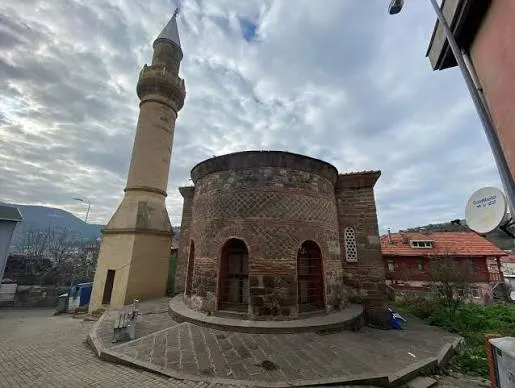
Amasra Fatih Mosque stands within the historic castle in Amasra, Bartın. Originally built as a Byzantine church in the 9th century, it was converted into a mosque following Sultan Mehmed II’s conquest of Amasra in 1460. The building brings together important chapters of the town’s Byzantine and Ottoman heritage.
Set among the historic streets of the old town, Fatih Mosque is a notable stop for visitors exploring religious architecture in Amasra. It is also known for the tradition of delivering the sermon while holding a sword. A visit can be combined with a walk around Amasra Castle and Kemere Bridge to discover the town’s cultural and architectural history.
View on map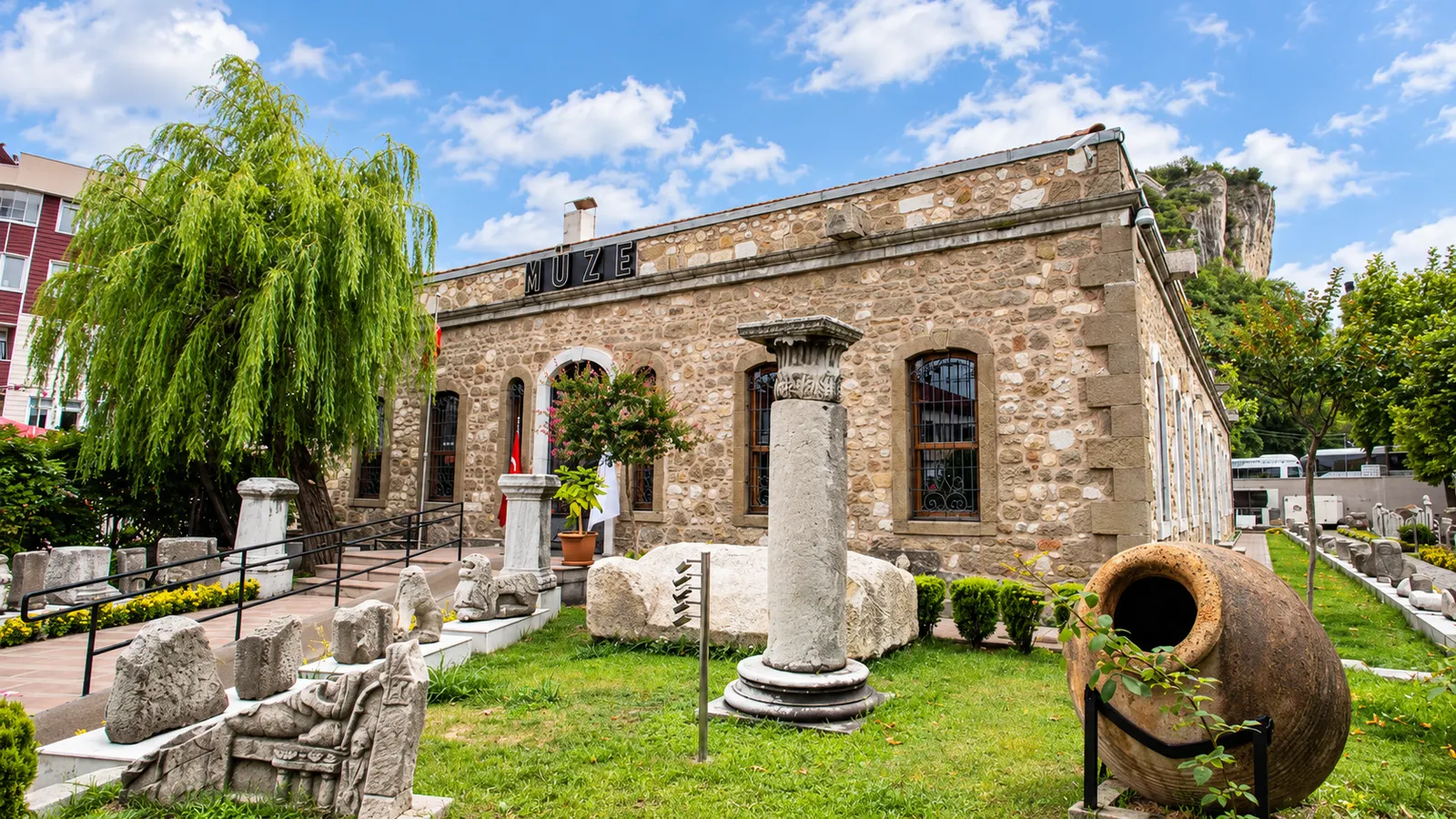
Museums & History
☆No ratings yet(0 reviews)↓
🛡️ Radar (0)↓
Amasra Museum is an archaeology and ethnography museum near Küçük Liman in Amasra, Bartın. It occupies a historic building originally begun as a naval school in 1884. Following restoration, the building opened as a museum in 1982.
Its collection explores the history of Amasra and the surrounding region through sculptures, portrait busts, coins and everyday objects. Notable exhibits include an armoured torso of Emperor Hadrian and a Glykon serpent sculpture. The ethnographic displays feature traditional clothing, embroidery, kitchen utensils and examples of local woodworking. Among the museums to visit in Amasra, it offers an introduction to both the region’s ancient heritage and its traditional way of life.
View on map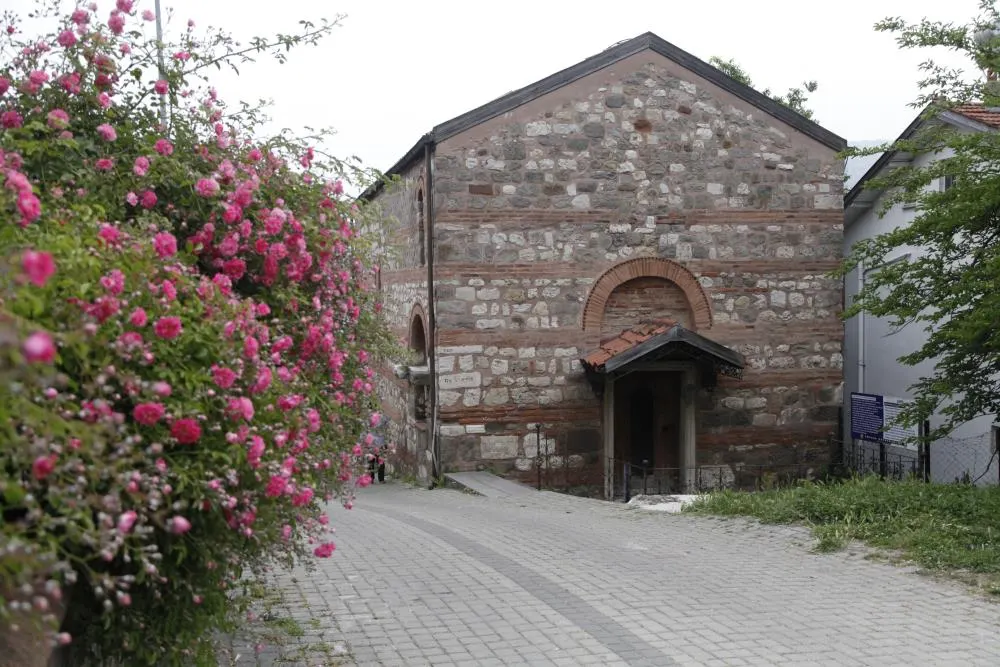
Museums & History
☆No ratings yet(0 reviews)↓
🛡️ Radar (0)↓
Amasra Small Church is a historic chapel within the boundaries of Amasra Castle in Bartın. The rectangular building combines rubble stone, brick and reused architectural materials. Its three-part entrance space is covered with cross vaults, while traces of frescoes survive on the walls.
Later used as a mosque, the chapel was restored and repurposed as a culture and arts venue. Among the historic places to visit in Amasra, it reflects the town’s changing religious and architectural heritage. Visitors exploring the old town can include this small landmark in their walk to discover its distinctive masonry and surviving decorative details.
📍 Amasra Kalesi içi, Kaleiçi, Amasra/Bartın, Türkiye.
View on map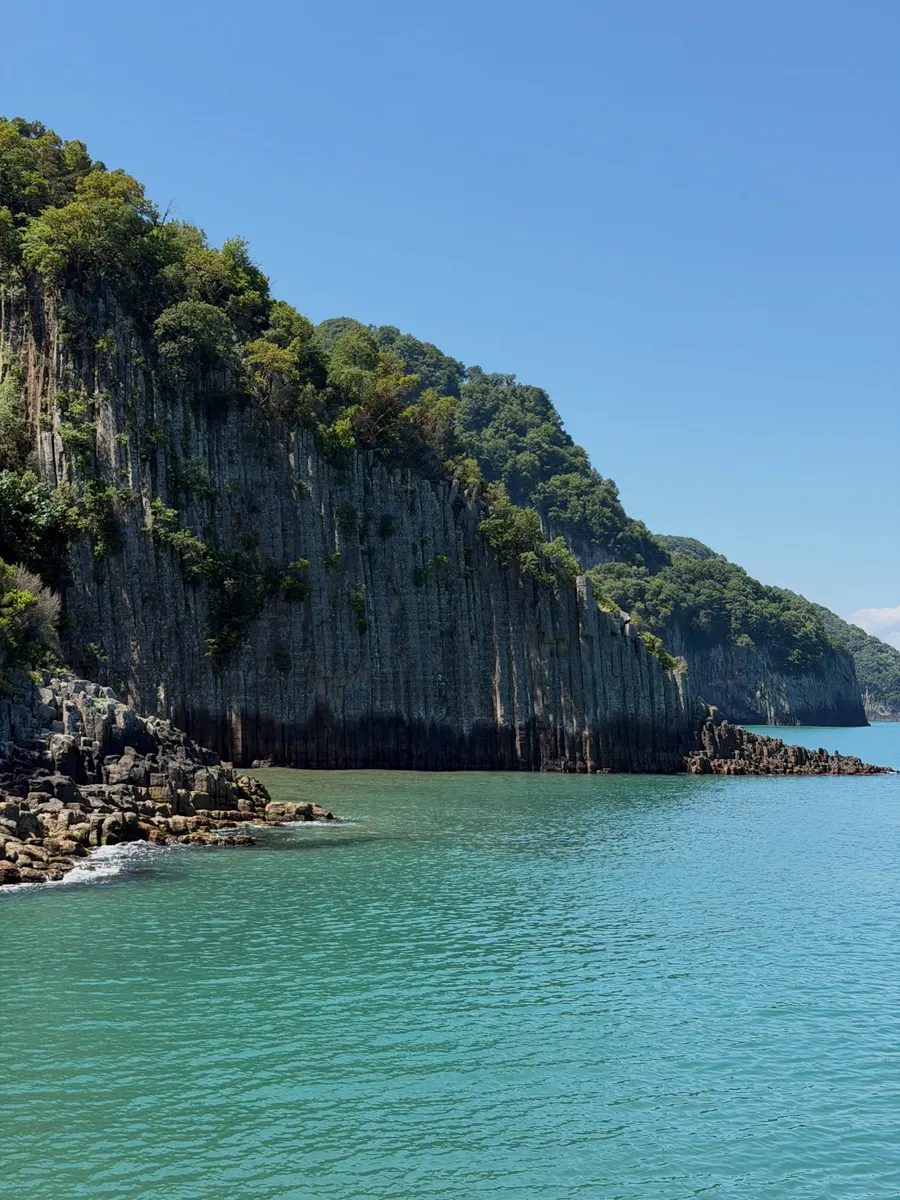
Museums & History
☆No ratings yet(0 reviews)↓
🛡️ Radar (0)↓
Güzelcehisar Lava Columns are natural rock formations on the coast of Güzelcehisar village, approximately 17 kilometres from central Bartın. Estimated to be around 80 million years old, the columns formed as volcanic lava cooled and solidified. Rising west of Güzelcehisar Beach, they create a striking feature along the Black Sea shoreline.
The column-shaped rocks, sea and green coastal surroundings make this one of the distinctive natural places to visit in Bartın. The site appeals to visitors interested in geology and coastal photography. A visit to Güzelcehisar Lava Columns can be combined with time along the beach, offering a closer look at the region’s ancient geological heritage.
View on map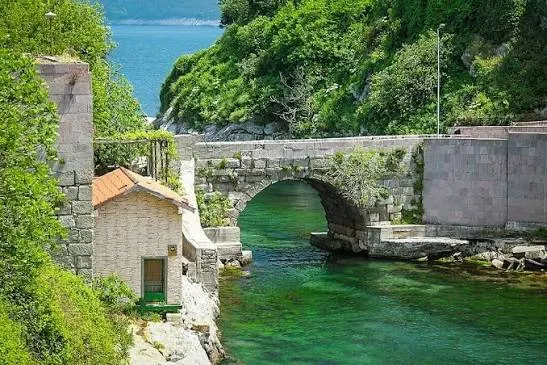
Museums & History
☆No ratings yet(0 reviews)↓
🛡️ Radar (0)↓
Kemere Bridge is a historic stone bridge connecting Boztepe to the mainland in Amasra, Bartın. Linking the Sormagir and Zindan sections of Amasra Castle, it forms an important part of the town’s historic landscape. Dated to the Byzantine period, the bridge is distinguished by its stone arch spanning the water.
Among the places to visit in Amasra, Kemere Bridge is a natural stop when exploring the old town and Boztepe on foot. Its stone architecture, nearby castle walls and sea views make it an appealing spot for photography and a closer look at Amasra’s coastal setting.
View on map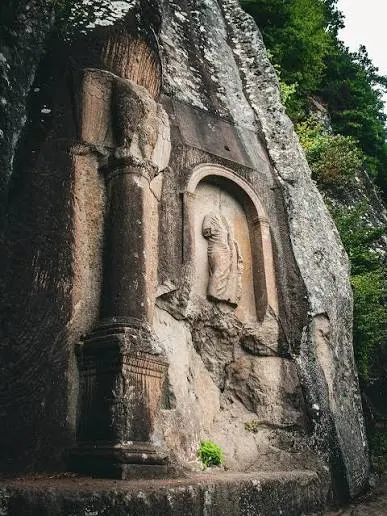
Museums & History
☆No ratings yet(0 reviews)↓
🛡️ Radar (0)↓
Kuşkayası Road Monument is a Roman landmark on the old Amasra–Bartın road in the Amasra district of Bartın. Commissioned between AD 41 and 54 by Gaius Julius Aquila in honour of Emperor Claudius, it was carved directly into the rock face beside the ancient route.
The monument features a human figure whose head has not survived, an eagle relief symbolising Roman authority and two inscriptions. These record Aquila’s funding of the road cutting and resting place. Among the historic places to visit near Amasra, Kuşkayası Road Monument offers a distinctive glimpse into Roman stone carving and the region’s ancient road heritage.
View on map