Vefa and Zeyrek: The Streets That Remember Two Empires
Walk from Süleymaniye through Vefa to Zeyrek, where boza, old houses and a former Byzantine monastery reveal the lives behind Istanbul’s skyline.
 Burak ÇınarTurkTravelRadar Founder
September 27, 2026
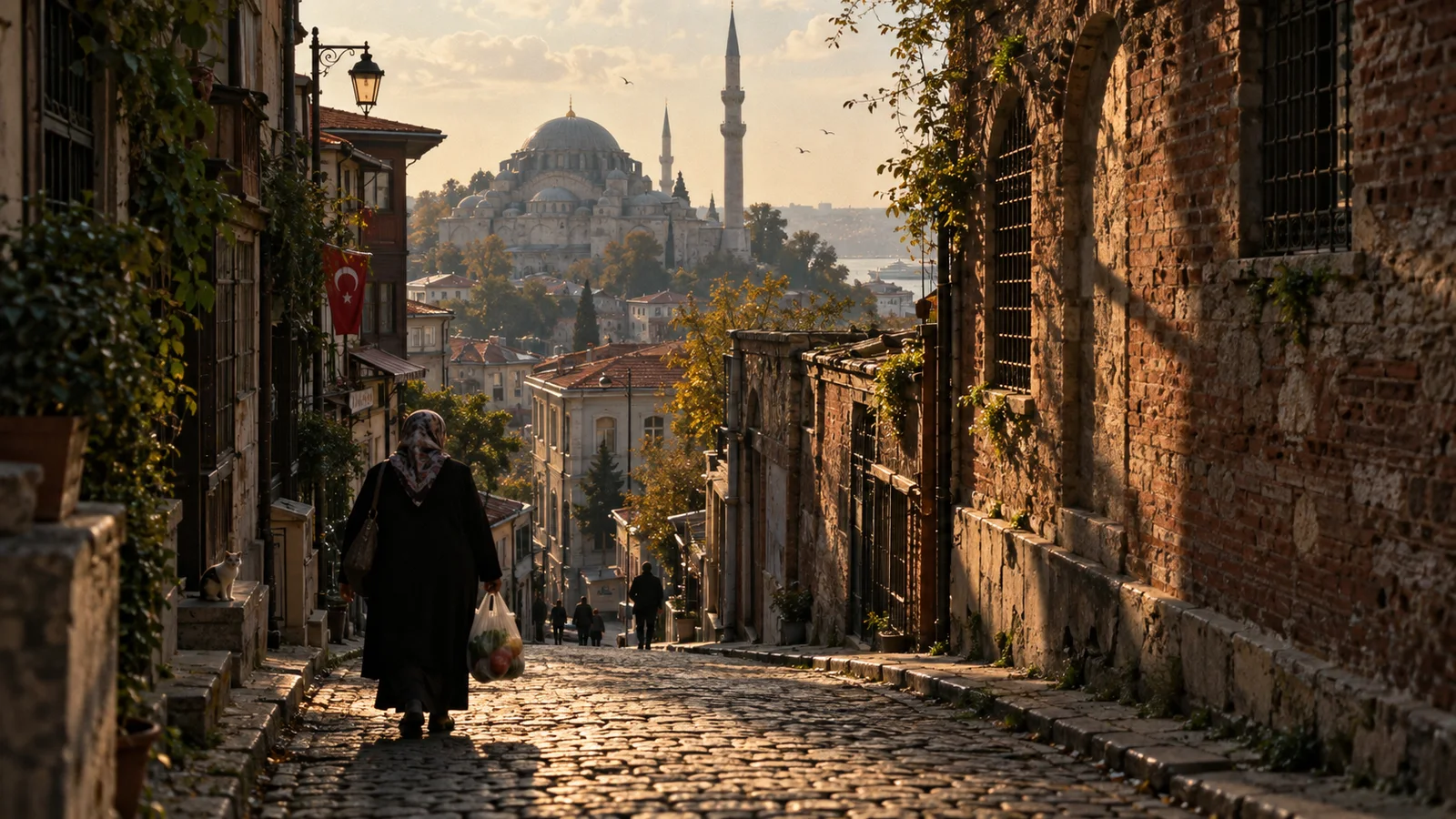
At Süleymaniye, you saw Istanbul from above.
The roofs fell toward the Golden Horn. Ferries crossed the water. For a moment, the city seemed to fit inside a single view.
Now leave that view behind.
Walk away from the mosque toward Vefa. The streets draw close again. A wall hides what lies beyond it. A doorway interrupts your line of sight. At the next corner, the great dome of Süleymaniye disappears, though you have barely walked a few minutes.
This is how the next part of the city asks to be read.
One street at a time.
Walking note — Physical effort: 3/5
The distance is manageable, but the route includes slopes and uneven pavements. Take extra care when crossing Atatürk Boulevard on the way from Vefa to Zeyrek; use a marked pedestrian crossing.
Vefa: A Neighbourhood You Can Taste
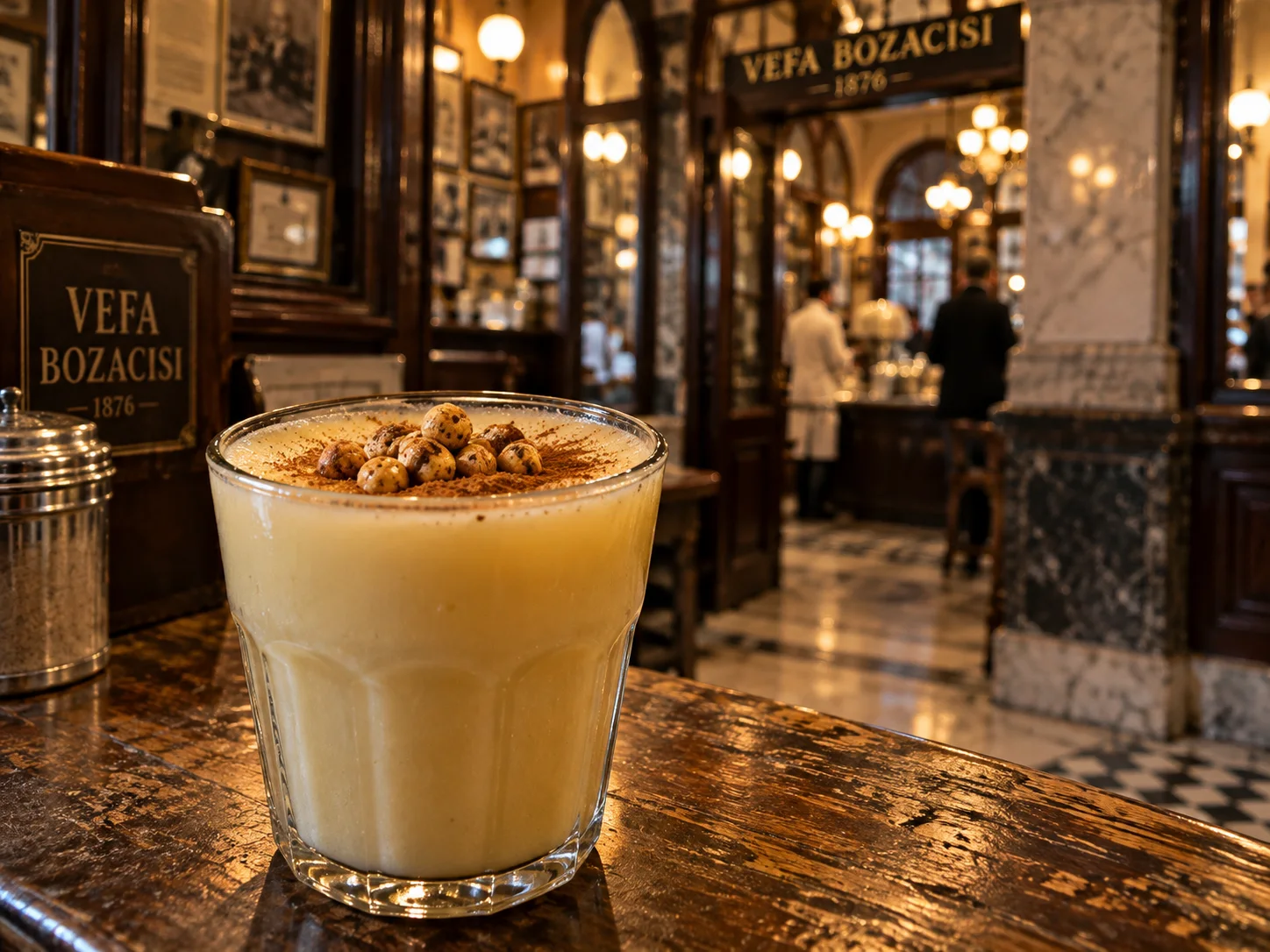
Follow the streets toward Vefa Bozacısı.
You may know the name before you see the shop. Its fame has travelled farther than the neighbourhood around it. But resist the urge to arrive, drink a glass and leave. Stand outside for a moment and watch how Vefa moves.
Someone passes without looking up. Another person slows at a shop window. A conversation begins at a doorway and continues as you walk beyond it. For you, these streets are a discovery. For other people, they are the route home.
If you try boza, take the first sip slowly. It is thick, made from fermented grain, with a gentle tang beneath its sweetness. It tastes unlike the quick refreshments you may have bought near the Grand Bazaar. Give it a moment before deciding what you think.
That pause belongs to Vefa.
Local stop — Boza: Vefa is one of Istanbul’s best-known places to try this traditional drink. Opening hours and queues can change, so let the stop fit the walk rather than building the whole route around it.
There is more here than one famous glass. Walk toward Molla Gürani Mosque, also known as Vefa Kilise Camii. Its earlier life was a Byzantine church. After the Ottoman conquest, its use changed.
From the street, you may find yourself looking twice. The building does not tell its history in one neat line. It asks you to hold two periods of Istanbul together while standing in the same place.
That feeling will follow you into Zeyrek.
Across the Boulevard
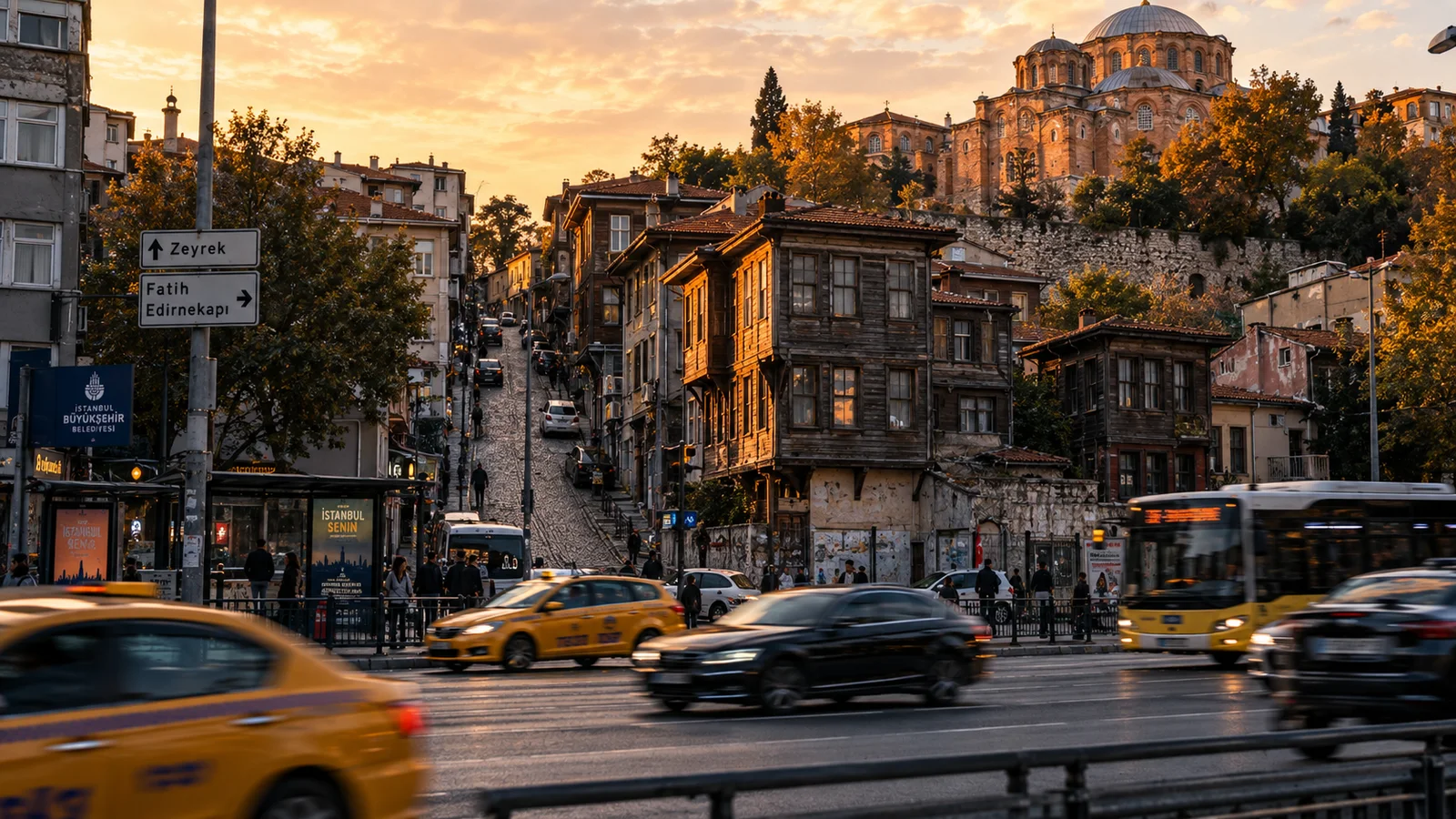
Continue toward Zeyrek, crossing Atatürk Boulevard at a marked crossing.
The traffic makes the transition abrupt. After Vefa’s smaller streets, the boulevard cuts a broad, noisy line through the walk. Wait for the signal. Cross, then take the streets climbing toward Molla Zeyrek Mosque.
The slope asks you to slow down again.
Look along the residential streets as you climb. Some buildings have been carefully repaired; others show their age more plainly. There are wooden houses here, but they are homes and neighbours’ streets, not a stage arranged for visitors. Keep your camera low when people are at their doors and give them room to pass.
Route cue — Zeyrek: After crossing Atatürk Boulevard, follow signs or your walking map to Molla Zeyrek Mosque. The approach climbs through local streets. Stay on public paths and allow time for the hill.
The Building That Changed Its Name
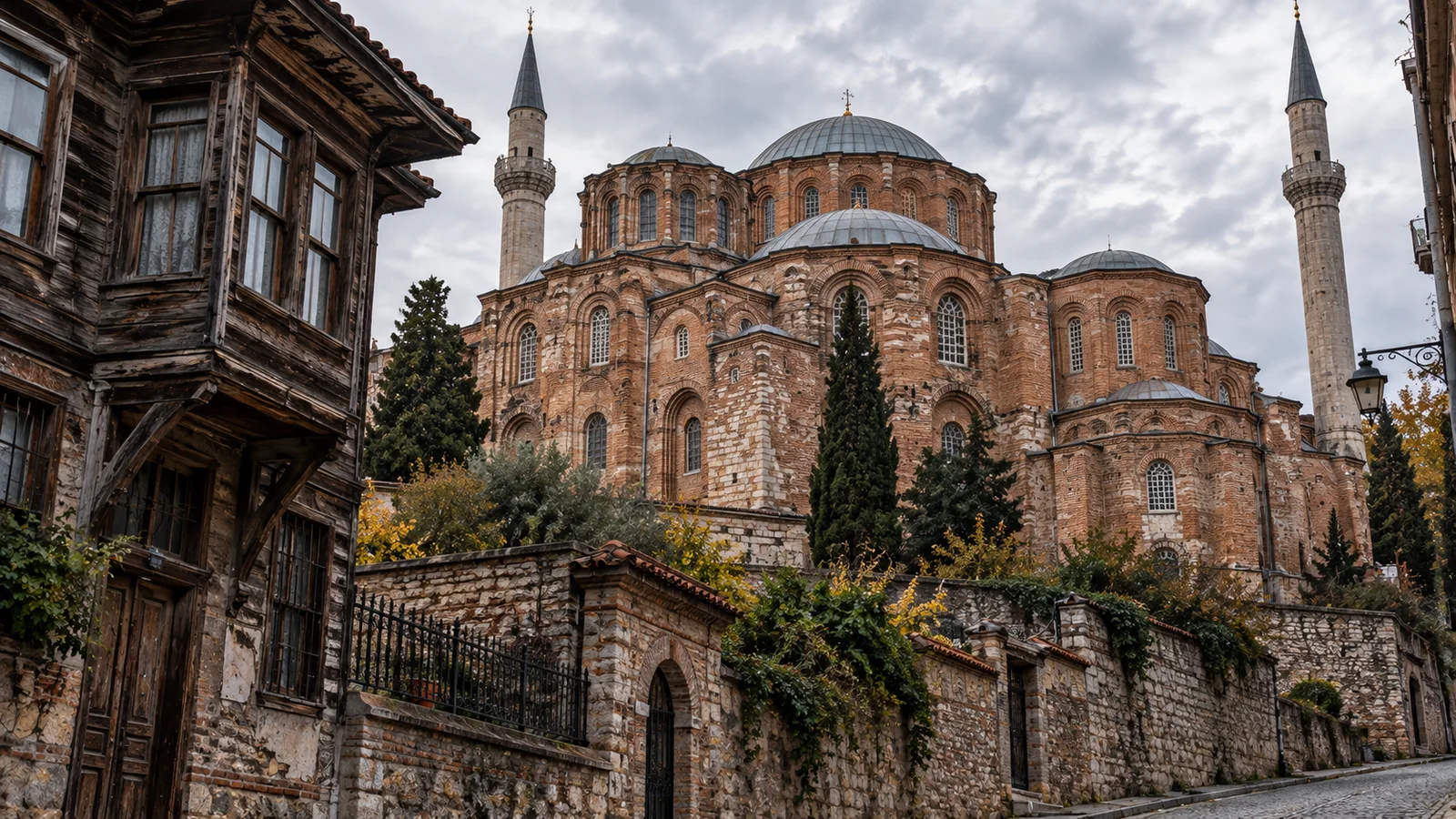
When you reach Molla Zeyrek Mosque, stop before going in.
Its walls and domes belonged to the Pantokrator monastery complex, built in the Byzantine period. After the Ottoman conquest, the building became a mosque and was also used for teaching. The name Zeyrek came from Molla Zeyrek, the scholar associated with that school.
Here, a neighbourhood carries a person’s name. Beneath it lies the name of an earlier building. Beneath both are centuries of people who walked this hill for reasons of their own.
You do not need to imagine them all at once.
Stand where you can see the structure clearly. Notice how its parts meet, where one roofline ends and another begins. Look back at the streets through which you arrived. History here is built into the route, not kept apart from it.
The surrounding area is part of Istanbul’s UNESCO World Heritage site. That recognition includes the neighbourhood as well as the monument. The houses and streets matter to the story you came to see.
Visiting note — Molla Zeyrek Mosque: This is an active place of worship. Dress modestly, remove your shoes before entering and respect prayer times. Access to particular areas may vary; the building and its setting are still worth seeing from outside.
Stay a Little Longer
Many walks would end at the mosque. Give this one another ten minutes.
Move through the nearby public streets without trying to collect every old house in a photograph. Notice the slope under your feet. The view appears, vanishes behind a wall, then returns between buildings. A resident comes around a corner carrying something ordinary. A window opens above you.
Süleymaniye taught you to look at the city as a whole. Zeyrek asks whether you can pay the same attention to a single street.
That is a harder request.
It is also why this neighbourhood stays with you.
What to Carry Away
Today’s walk began beneath one of Istanbul’s most recognisable domes. It led you to a glass of boza in Vefa, across a busy boulevard and up to a building that has lived more than one life.
You have not walked through a frozen version of the past. You have walked through neighbourhoods where people still buy things, worship, study, repair homes and find their way through the day.
Keep going, and another part of Fatih waits beyond these hills: Fatih and Çarşamba, where the district’s name leads you toward a sultan, a great mosque and streets that belong firmly to the present.
But before you leave Zeyrek, turn around once.
From here, Süleymaniye is part of the view again. You know a little more now about the lives between its hill and yours.
Continue through Fatih → Fatih and Çarşamba: The Sultan’s Name, the Neighbourhood’s Life
💬 Comments (0)
Traveler comments are shown in their original language.
No comments yet. Be the first to share your experience.
💬 Want to join the discussion?
Log in or create an account to leave a comment.