Fatih and Çarşamba: The Sultan’s Name, the Neighbourhood’s Life
Walk from Zeyrek to Fatih Mosque and Çarşamba. Follow the story of a Byzantine hill, an Ottoman sultan, a rebuilt mosque and the market streets that still belong to the neighbourhood.
 Burak ÇınarTurkTravelRadar Founder
September 27, 2026
Before leaving Zeyrek, turn back toward Süleymaniye.
From this hill, its dome belongs to the skyline again. You have walked the streets between the two. You know there is no empty space beneath that view.
Now continue toward Fatih Mosque.
The streets carry you away from Zeyrek’s old houses and toward a neighbourhood whose name is known across Istanbul. Fatih is the name of a district, a mosque and a sultan. It means the Conqueror.
A name that large can make a place feel settled before you have seen it.
Keep walking. The neighbourhood has more to tell you.
Walking note — Physical effort: 3/5
The route from Zeyrek climbs toward Fatih Mosque. Expect slopes, uneven pavements and busier streets near the mosque. Give yourself time to pause along the way.
The Hill Before Fatih
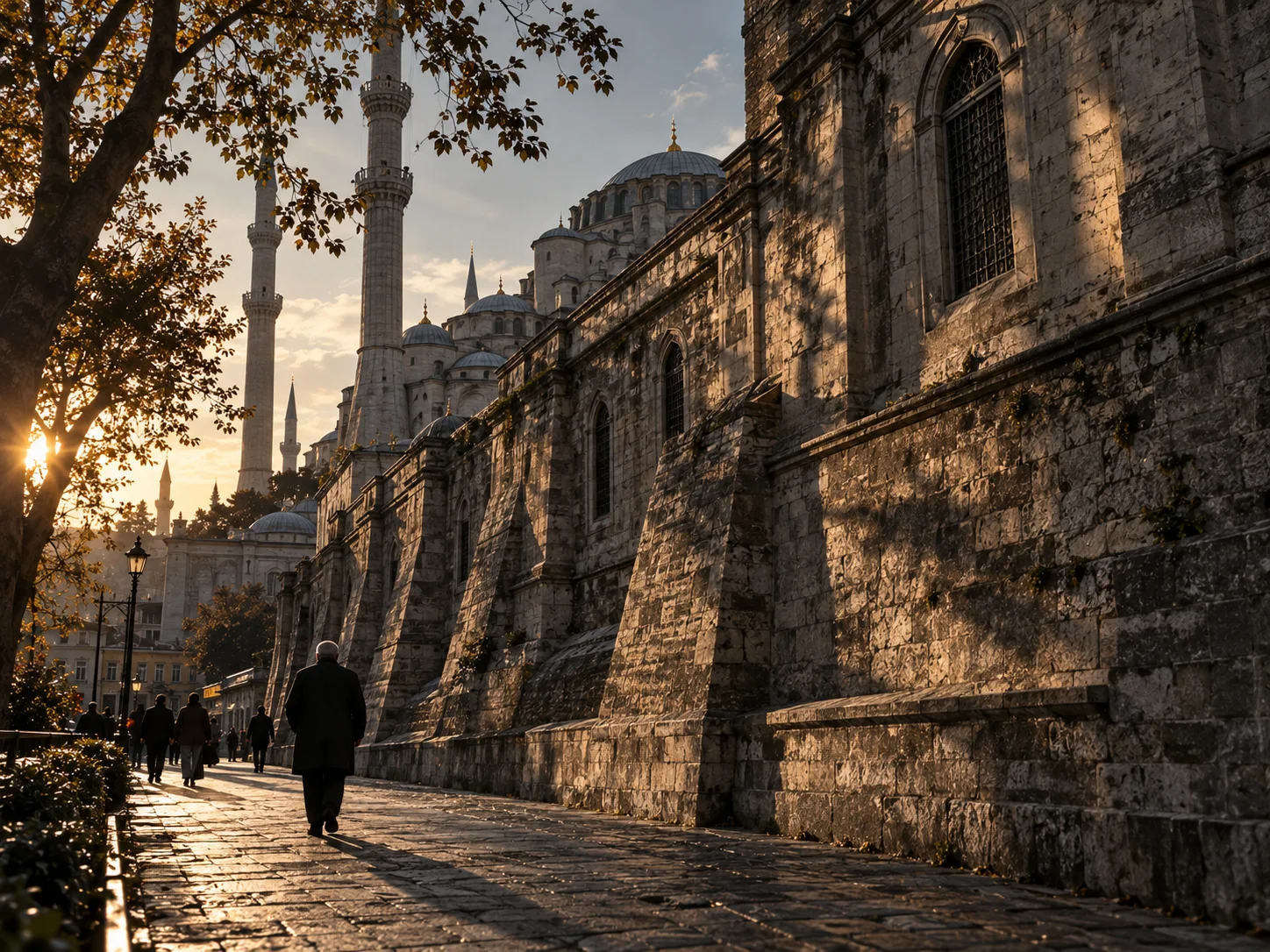
On your way up, consider what stood on this hill before Sultan Mehmed II gave it a new centre.
In Byzantine Constantinople, this was the site of the Church of the Holy Apostles, one of the city’s most important churches. After the Ottoman conquest, Mehmed commissioned a mosque and complex here. The neighbourhood grew around a new landmark, while the hill kept the memory of an older city beneath it.
You will not find two complete monuments standing side by side.
You find one place whose meaning changed.
That is a harder history to photograph. It asks you to imagine people approaching the same hill in different centuries, following different routines, certain that they knew the city in which they lived.
The hill remained. The city around it changed.
The Mosque That Was Built Again
When Fatih Mosque comes into view, do not assume you are looking at the building exactly as Mehmed first saw it.
His original mosque was completed in the fifteenth century. A powerful earthquake in 1766 devastated it. The mosque was rebuilt and reopened in 1771.
Stand in the courtyard with that in mind.
Its name reaches back to the conquest. Much of the building you see tells another story: of damage, rebuilding and people who decided the mosque would continue to serve this neighbourhood.
You may hear footsteps across the stone before you look up at the dome. Someone crosses the courtyard on a familiar errand. Another person stops at the entrance, removes their shoes and goes inside.
The history here is immense. The movements are ordinary.
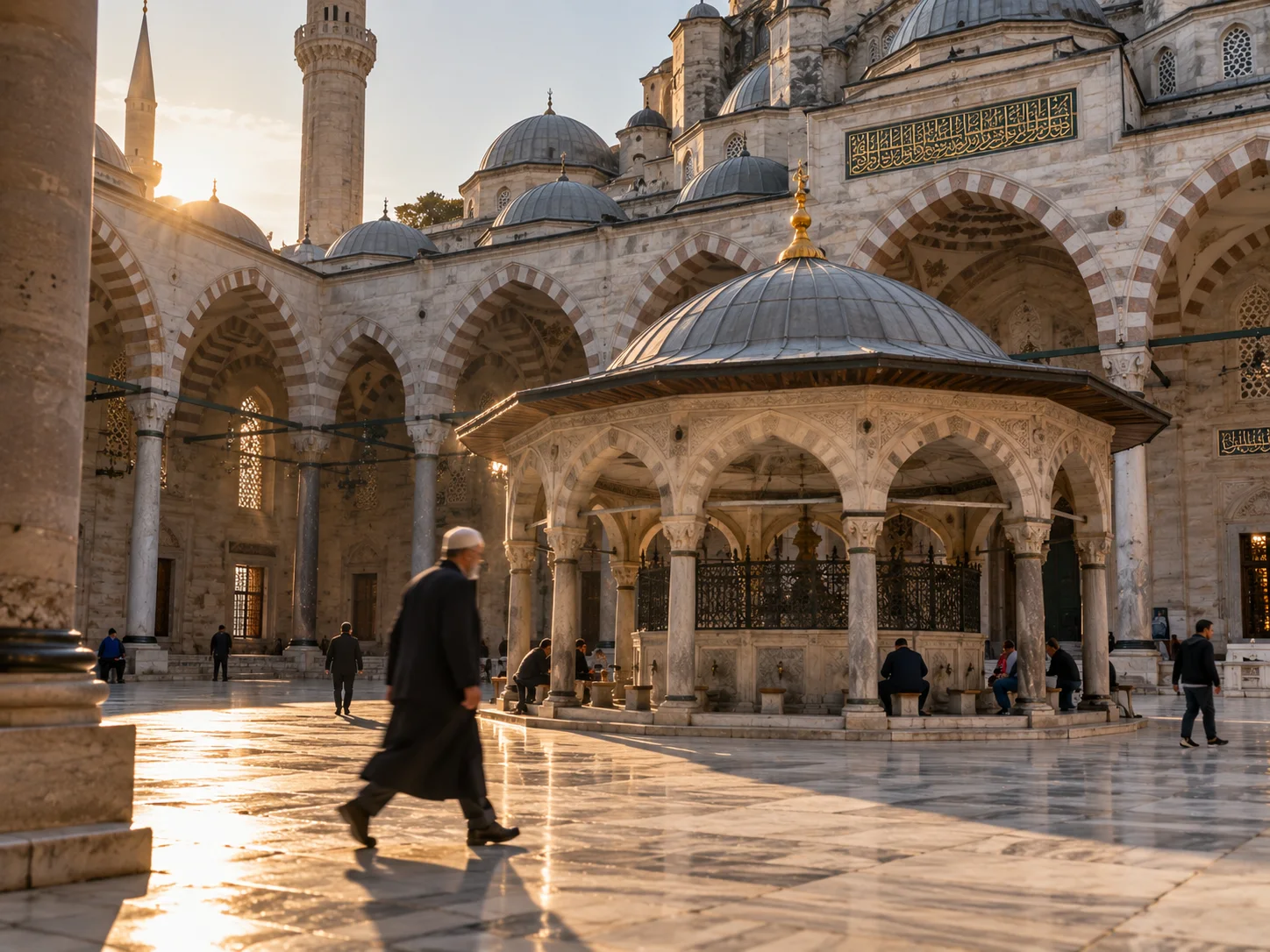
Both belong in the same scene.
History note — Which Fatih Mosque?
Mehmed II commissioned the original fifteenth-century mosque. The present mosque was built after the 1766 earthquake. That distinction matters when you describe what visitors see today.
Walk Beyond the Courtyard
Fatih Mosque was the centre of a külliye, a larger complex that included places for education and care. The story does not end at the prayer hall door.
Walk around the grounds. Notice how the surrounding streets meet the complex. A city landmark becomes a neighbourhood edge: somewhere people arrange to meet, pass on their way to work or sit for a few minutes before going home.
The tomb of Sultan Mehmed II is beside the mosque. You can stop there without trying to turn his life into a simple verdict or a list of victories.
Think instead about the distance between a ruler’s name and the streets that carry it.
Generations have lived in Fatih since his time. They have bought food, raised children, mourned relatives and rebuilt after disasters. The sultan gave the place a name. Those lives have kept giving it meaning.
Visiting note — Fatih Mosque:
This is an active place of worship. Dress modestly, remove your shoes before entering and give worshippers space. Prayer times can affect visitor access.
Çarşamba Is More Than a Market Day
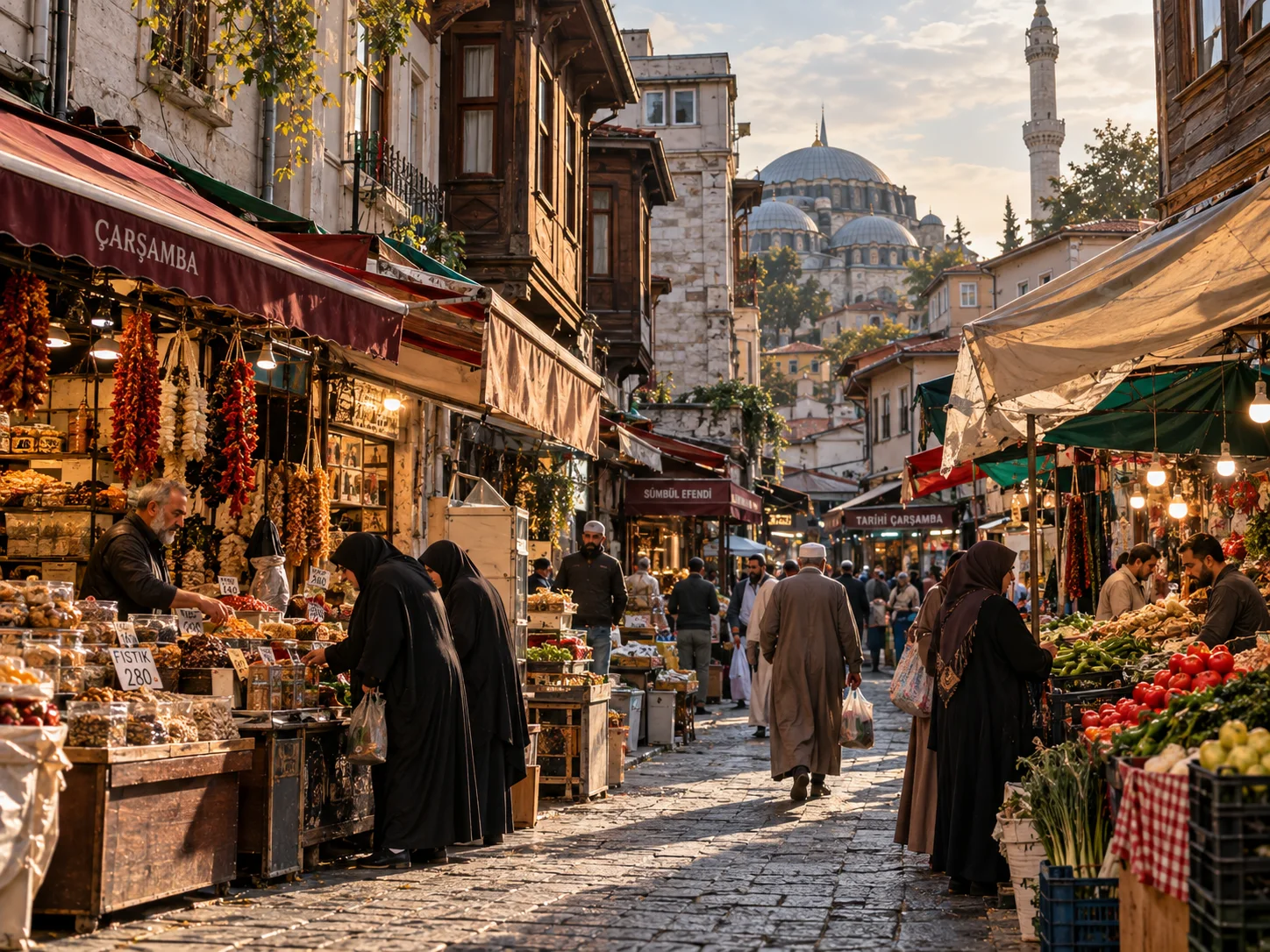
Leave the mosque grounds and continue into Çarşamba.
If you come on a Wednesday, the street market changes the pace of the walk. Stalls draw people close together. A shopper studies fruit before choosing it. A seller reaches beneath a table for another bag. Voices travel down the street faster than you do.
If you come on another day, do not treat the neighbourhood as though you missed it. Shops open. People have places to be. The streets still belong to the people who use them.
That is the part of Çarşamba a market photograph cannot hold.
The name Çarşamba means Wednesday in Turkish, but the neighbourhood is here all week.
Market note — Plan your day:
Visit on Wednesday if you want to experience the large street market. Expect crowded passages and a slower walk around Fatih Mosque. On other days, the mosque and neighbourhood are still the heart of this route.
Look Again at the Name
At the beginning of this walk, Fatih sounded like a single historical figure.
By now, it may sound different.
You have stood on a hill known before the Ottoman conquest. You have seen a mosque rebuilt after an earthquake. You have walked from a sultan’s tomb into streets where someone is choosing what to cook tonight.
None of these stories cancels the others. They occupy the same neighbourhood.
Before you leave, step aside and let the street move past you for a minute. Listen to it without searching for the next monument.
This is the part of Istanbul that no empire could finish building.
What to Carry Away
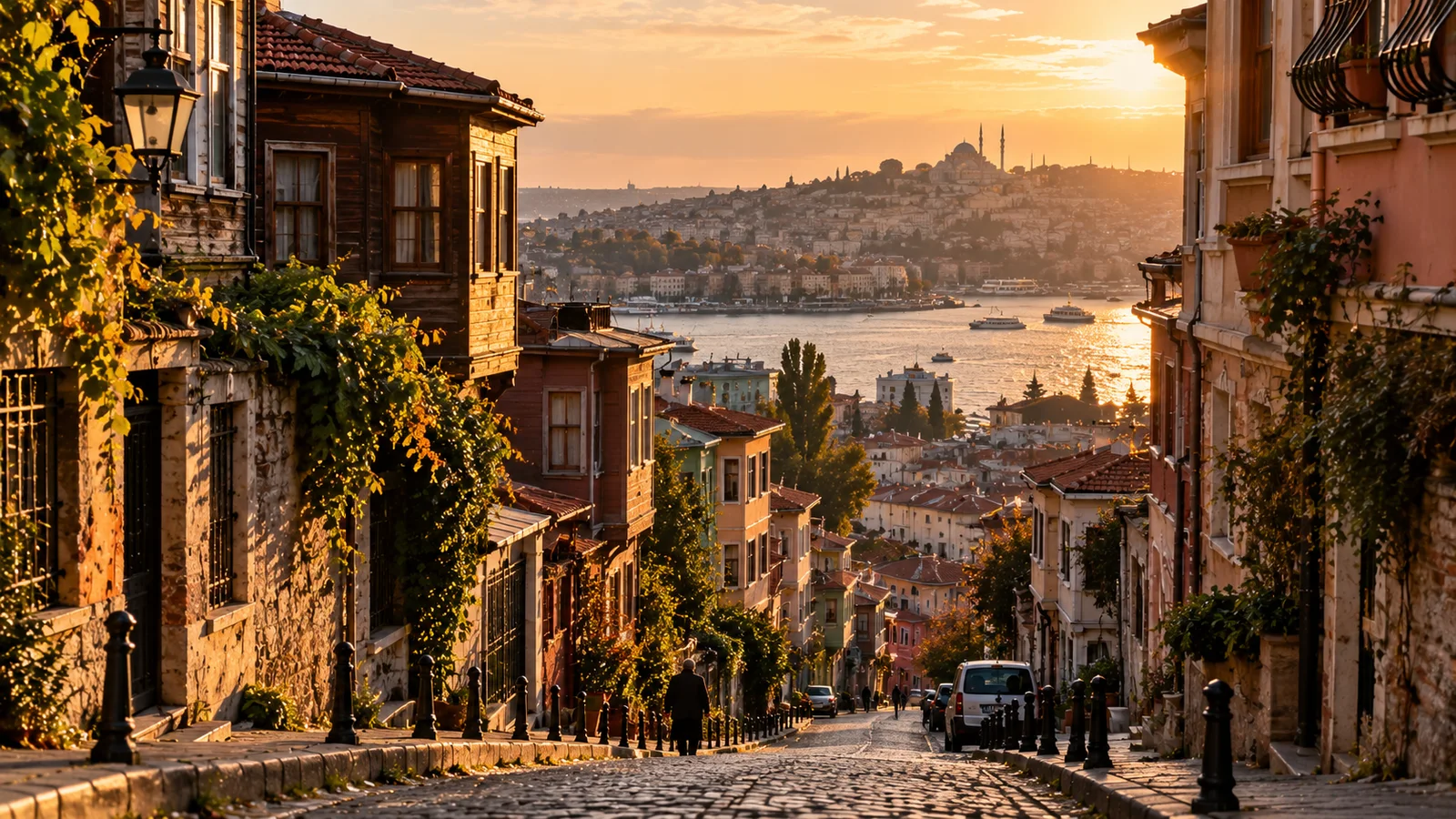
From Sultanahmet to the waterfront, from the trading streets to Süleymaniye, Zeyrek and Fatih, the walk has brought you through cities that stood on the same ground.
The next streets lead toward Fener and the Golden Horn.
There, the hill begins to fall toward the water. Church walls, schools and homes will change the story again. But carry this moment with you: the sound of Çarşamba continuing long after you stop looking.
**Follow the streets toward the Golden Horn → [Fener: The Red School Above the Golden Horn](https://turktravelradar.com/blog/fener-the-red-school-above-the-golden-horn-28927f)**
💬 Comments (0)
Traveler comments are shown in their original language.
No comments yet. Be the first to share your experience.
💬 Want to join the discussion?
Log in or create an account to leave a comment.