Osmanlı Çileği: The Fragrant Strawberry of Karadeniz Ereğli
Small, delicate and intensely fragrant, Osmanlı strawberries offer a seasonal taste of Karadeniz Ereğli. Discover their history, pale pink colour and fleeting fresh harvest.
 Burak ÇınarTurkTravelRadar Founder
October 4, 2026
The scent is the first thing you notice.
Lean towards a bowl of Osmanlı strawberries and a sweet, almost floral fragrance rises from the fruit. Pick one up gently. It sits small between your fingers, its pink surface giving way to paler patches beneath the green leaves.
One bite reveals soft, light-coloured flesh. Juice spreads across your tongue, carrying a sweetness that seems fuller because the fragrance is still there, reaching you as you chew.
You look down at the bowl and choose another.
This is Osmanlı çileği, the Ottoman strawberry closely associated with Karadeniz Ereğli in Zonguldak, on Turkey’s western Black Sea coast. Its appeal lies in its pronounced aroma, juicy flesh and delicate texture.
A Strawberry That Can Be Ripe While Still Pale
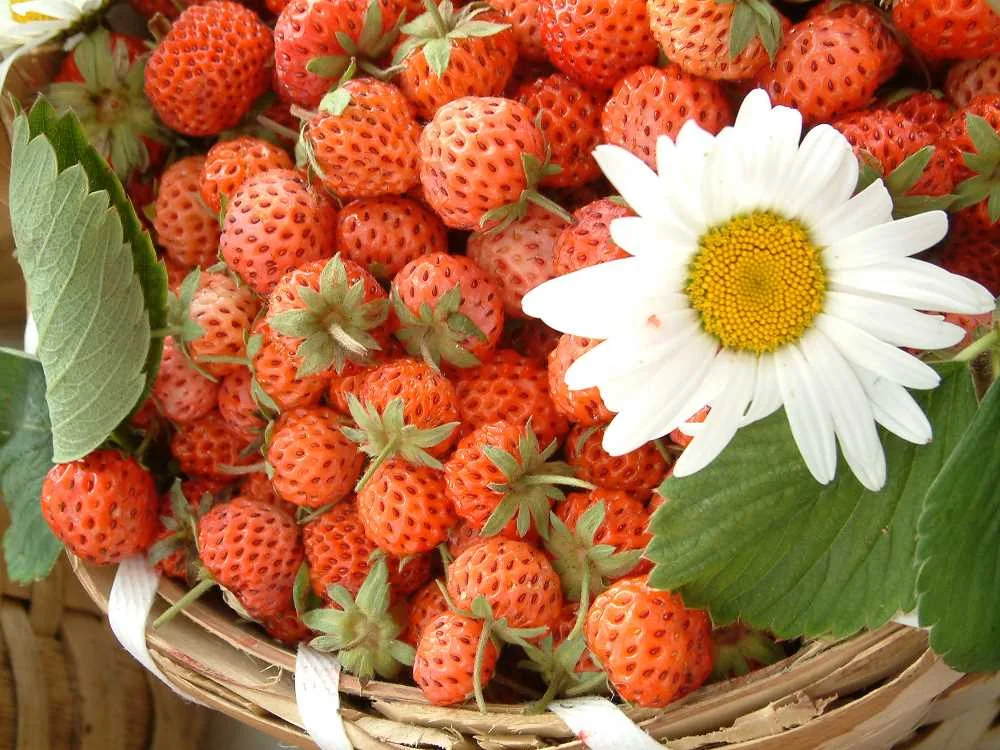
An Osmanlı strawberry may look different from the large, evenly red fruit familiar from supermarket shelves.
The official specification describes small to medium fruit, generally round or slightly flattened. The sun-facing surface turns pink or light pink, while other areas can remain cream-coloured. Inside, the flesh is white to very pale cream.
That colouring is worth knowing before your first taste.
A pale patch does not automatically mean the fruit is unripe. Ask the grower or seller to help you choose berries ready to eat, then let the flavour settle the question.
The pleasure is in that tender mouthful: the skin breaking softly, the juice arriving quickly, the aroma lingering after you swallow.
From Istanbul Gardens to Ereğli
The strawberry’s name carries a historical connection to the Ottoman court.
The geographical indication record traces its background to strawberries grown in Istanbul’s Arnavutköy from 1798 and favoured by the palace for their taste, fragrance and appearance. It places cultivation in Ereğli in the late nineteenth century, linking its introduction to Dilaver Paşa.
Ereğli’s municipal account emphasises the expansion of cultivation during the twentieth century. It records a canning factory established in 1930 and strong production during the 1960s.
These milestones tell you something about the fruit’s place in the town. It belonged to gardens and family tables, but also to livelihoods, trade and the work of preserving a seasonal crop.
Why the Fragrance Makes the Taste So Memorable
Bring a washed berry close before eating it.
The smell prepares you for the sweetness. Then the fruit gives way almost immediately, leaving very little between you and the juice.
Try the first few on their own. You can notice the texture more clearly that way, along with the relationship between aroma and taste.
A spoonful of plain yoghurt makes a pleasant accompaniment afterwards. Its cool tang gives the fruit’s sweetness a different setting. But leave a few berries untouched on the side; you may want to return to their flavour alone.
A Season Worth Planning Around
For fresh Osmanlı strawberries, May and June are the key months to ask about. The registered production method describes a harvest beginning in May, depending on weather, and lasting approximately 30–35 days.
The exact timing changes with the season, so confirm availability locally before planning a journey around the fruit.
When you find it, buy an amount you can enjoy promptly. The berries are delicate, and the fresh eating experience is part of what makes seeking them out worthwhile.
Carry them carefully, away from heavier shopping. Once washed, a small bowl needs very little ceremony: somewhere comfortable to sit, perhaps a glass of water, and enough time to enjoy the fruit.
When Fresh Strawberries Are Out of Season
Osmanlı strawberry jam offers another way to encounter the local flavour.
Ereğli’s municipality includes it among the products visitors can take home.
Open a jar and the experience becomes warmer and richer. The spoon draws through glossy syrup, lifting softened fruit towards a piece of bread.
Spread a little over buttered toast. Sweetness meets the faint saltiness of the butter, while the browned bread adds a firmer bite. Or serve a small spoonful beside plain yoghurt and let the syrup run into its cool surface.
When buying, check that the label identifies Osmanlı strawberries and read the ingredient list. Ask where the fruit was grown.
Useful Questions for Visitors
“Osmanlı çileği var mı?”
“Do you have Osmanlı strawberries?”
“Ne zaman toplandı?”
“When were they picked?”
“Ereğli’de mi yetişti?”
“Were they grown in Ereğli?”
For jam:
“Bu reçel Osmanlı çileğinden mi yapıldı?”
“Was this jam made with Osmanlı strawberries?”
The name Karadeniz Ereğli Osmanlı Çileği received geographical indication registration on 5 July 2021, with designation-of-origin status. It provides a useful reference when asking about provenance.
If you arrive during harvest time, leave room in your plans for a small bowl of fresh fruit.
After the first few berries, you may find yourself eating more slowly. You begin to notice which has the softest flesh, which carries the strongest scent, which leaves a little more juice on your fingers.
Then the bowl is nearly empty, and you save the last one for a moment longer.
Osmanlı Çileği at a Glance
| Question | What to know |
|---|---|
| Where is it associated with? | Karadeniz Ereğli, Zonguldak. |
| What makes it distinctive? | Strong fragrance, sweet juicy flesh and a delicate texture. |
| What does ripe fruit look like? | Pink or light pink with cream-coloured areas; pale flesh inside. |
| When should visitors ask for fresh fruit? | May–June; confirm the year’s harvest locally. |
| How long is the harvest? | Approximately 30–35 days, depending on weather. |
| What can you try outside the fresh season? | Osmanlı strawberry jam. |
| Does it have geographical indication status? | Yes, registered on 5 July 2021 as Karadeniz Ereğli Osmanlı Çileği. |
Fruit characteristics and seasonal details follow the official registration specification.
. Turkish food, Traditional Turkish cuisine, What to eat in Turkey, Turkish fruit culture, Local Turkish dishes, Turkey culinary travel, Authentic Turkish recipes, Best regional food in Turkey, Ottoman strawberry, Eregli osmanli cilegi
💬 Comments (0)
Traveler comments are shown in their original language.
No comments yet. Be the first to share your experience.
💬 Want to join the discussion?
Log in or create an account to leave a comment.