Must-Try Turkish Street Food: Tantuni, the Mersin Wrap That Starts with a Sizzle
Discover tantuni, Mersin’s sizzling beef wrap with warm bread, fresh vegetables and lemon. Learn what to order and find established places to try it.
 Burak ÇınarTurkTravelRadar Founder
September 30, 2026
At the counter, a cook draws a portion of meat towards the centre of a broad metal pan. A splash of water meets the heat. Steam rises, briefly hiding the cook’s hands, and the hiss fills the space between orders.
Then a sheet of bread is pressed against the pan.
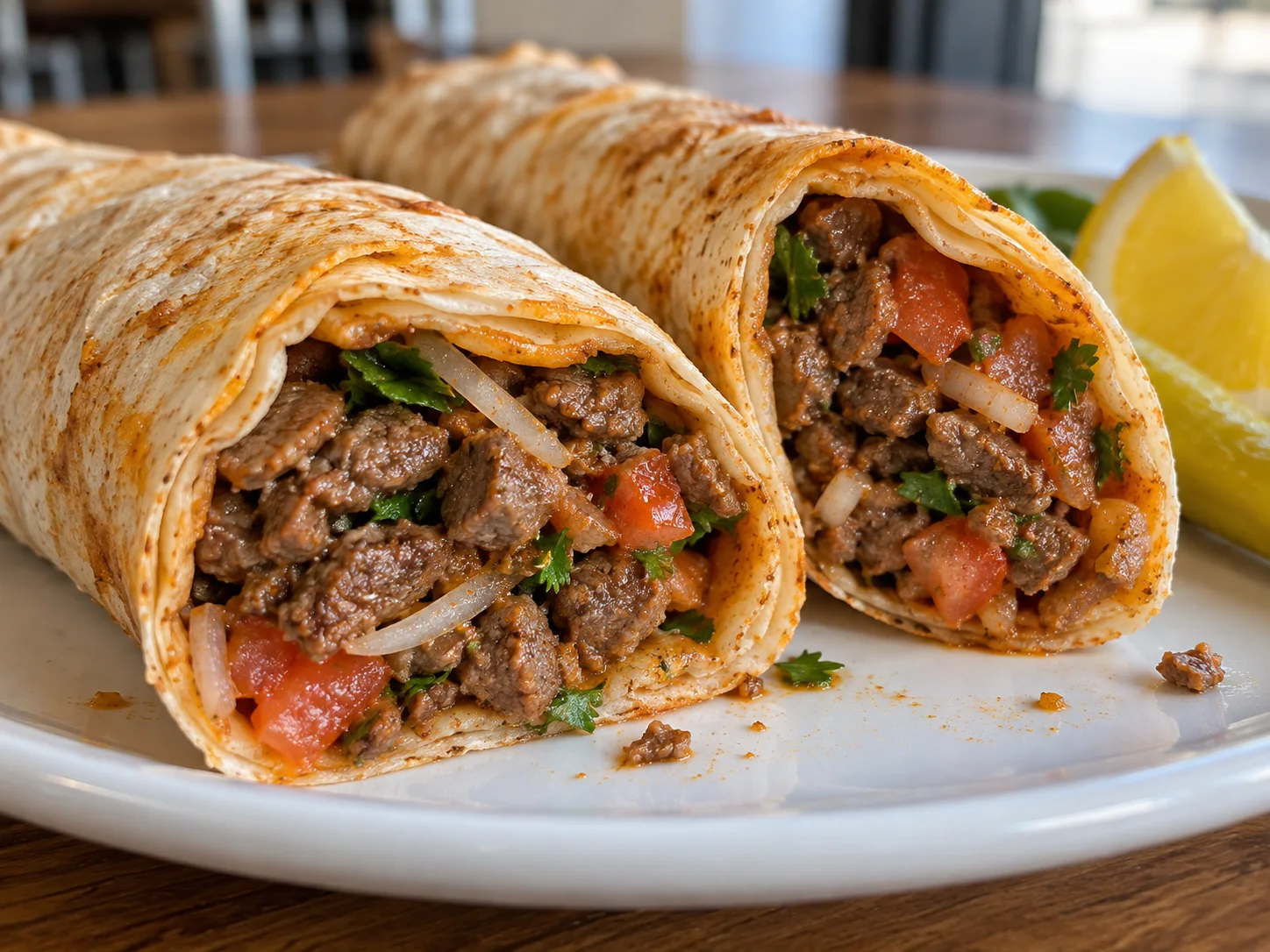
It picks up warmth, oil and the flavour of the meat before anything is folded inside. Chopped tomato, onion and parsley follow. The bread is rolled tightly, set on a plate and brought to your table with lemon and pickles.
This is tantuni, one of the great reasons to arrive hungry in Mersin, on Turkey’s Mediterranean coast.
Lift the wrap while it is warm. The bread feels supple beneath your fingers, its surface lightly stained by the cooking juices. The first bite brings tender pieces of beef, fresh tomato and the sharpness of onion. Parsley cuts through the richness. A squeeze of lemon makes the next mouthful brighter.
Behind the counter, the pan hisses again. Someone else’s lunch is beginning.
What Is Tantuni?
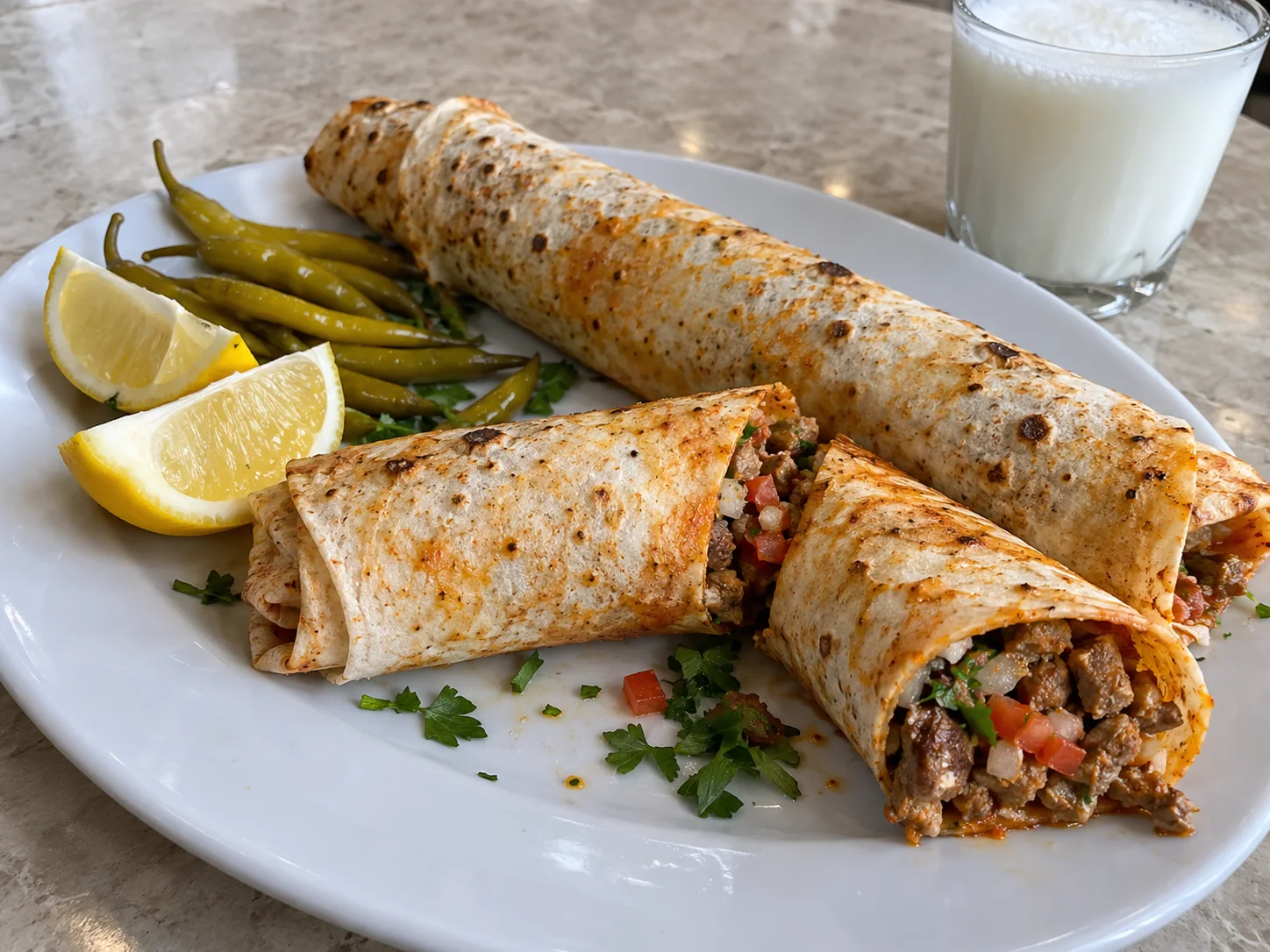
Tantuni is a meat dish closely associated with Mersin, commonly served in thin bread as a dürüm, or inside a loaf.
Its character comes from both the preparation of the meat and the way the bread meets the pan. Small pieces are cooked before being finished on a heated metal tray with oil and seasoning. Water is sprinkled onto the hot surface during cooking, producing the steam you hear at the counter.
The registered Mersin Tantunisi preparation specifies beef from the fatty rib section, cottonseed oil and seasonings including red pepper and sumac. Fresh salad ingredients are added when the bread is filled.
You will also encounter chicken tantuni and other adaptations on menus around Turkey. Those offer their own flavours, but beef is the starting point for tasting the registered Mersin tradition.
The Bread Is Part of the Cooking
Watch the bread if the kitchen is visible from your seat.
Before it becomes a wrap, it is warmed against the meat and cooking juices. This brief contact changes its flavour and texture. The bread becomes soft enough to fold closely around the filling, carrying a little of the pan into every bite.
Inside, the contrast matters. Warm meat meets fresh vegetables. Onion adds crunch; tomato brings moisture; parsley leaves a clean, green flavour after the richness.
Eat a few bites before adding more seasoning. Then squeeze a little lemon over the exposed filling and taste again. You can decide how much acidity you want.
The same goes for pickled peppers. Take a small bite first: their heat can vary considerably.
Dürüm or Bread?
Your first decision is usually the bread.
Lavaş dürüm is the thin wrap. It keeps the bread close to the filling and is an appealing first choice if you want to taste the meat, vegetables and cooking juices together.
Somun ekmek means a loaf-style serving. Its thicker bread gives the juices more space to soak in and produces a different balance with each mouthful.
Ask about the size before ordering. A tightly rolled dürüm can look modest on the plate, and portions vary between restaurants.
For a drink, choose ayran if you want something cool, salty and creamy. Şalgam, a fermented drink made with ingredients including black carrots, offers a sharper, earthy contrast. If you choose şalgam, ask whether it is spicy.
Where to Try Tantuni in Mersin
Göksel Tantuni, Pozcu Sahil
Göksel Tantuni traces its beginnings in Mersin to 1977. Its official website lists the Pozcu Sahil central branch at:
Dumlupınar Mahallesi, Adnan Menderes Bulvarı, Oğuz İş Merkezi No: 122/A.
This is a useful food stop to consider while spending time around Mersin’s coastal boulevard. Order a beef tantuni, choose your bread and leave yourself time to eat it at the table while it is warm.
Afterwards, continue your exploration of the waterfront. The meal gives your day a local flavour before you return to the open air.
Official branch information: Göksel Tantuni, Pozcu Sahil
Memoş Tantuni
Memoş Tantuni is another established Mersin name. The business traces its story to 1964, when Hasan Tahsin Yelkenaç opened a modest kebab shop on the city’s historic Büyük Hamam street. Its account describes how the family business later became associated with the nickname “Memoş.”
That history makes it a worthwhile name to consider when planning a tantuni tasting. Use the official website to confirm the current branch that best fits your route; the street where the story began should not be assumed to be the address of every present-day restaurant.
If you try both businesses, order a similar bread style at each. It makes the differences in seasoning, meat and bread easier to notice.
Official website: Memoş Tantuni
How to Order Your First Tantuni
For a beef wrap, say:
“Bir et tantuni dürüm, lütfen.”
“One beef tantuni wrap, please.”
For the loaf-style version:
“Bir et tantuni, somun ekmekte, lütfen.”
“One beef tantuni in loaf bread, please.”
If you prefer mild food:
“Acısız olsun, lütfen.”
“Please make it without hot spice.”
For no onion:
“Soğansız olsun, lütfen.”
“Without onion, please.”
Confirm the meat when ordering, particularly at restaurants that serve both beef and chicken. Check the portion price and whether drinks are charged separately.
The bread contains wheat. Ayran adds dairy, and ingredients can differ between kitchens, so ask about anything relevant to your dietary needs.
A Meal Best Eaten Where It Is Made
Tantuni rewards a short pause.
Take a seat close enough to hear the cooking, open the napkin beneath your wrap and let the hottest steam escape before biting. Notice the soft bread against your fingers, the red tint of the cooking juices and the smell of warm meat beneath the fresh parsley.
Halfway through, add another squeeze of lemon.
By the final bite, the bread has absorbed more of the filling’s juices. A little onion remains on the plate. Your drink is cold against your palm.
Outside, Mersin is waiting. Inside, the cook draws another portion towards the centre of the pan.
💬 Comments (0)
Traveler comments are shown in their original language.
No comments yet. Be the first to share your experience.
💬 Want to join the discussion?
Log in or create an account to leave a comment.