Gölyazı (Apolyont): Discover Bursa’s Ancient Village on Lake Uluabat
Discover Gölyazı, the historic lakeside settlement once known as Apollonia, near Bursa. Explore ancient remains, the Weeping Plane Tree, St. Panteleimon Church, local fishing culture and beautiful views across Lake Uluabat.
 Burak ÇınarTurkTravelRadar Founder
October 13, 2026
Some villages seem to grow towards the water rather than away from it. As you approach Gölyazı, in Bursa’s Nilüfer district, the landscape begins to explain why: the broad surface of Lake Uluabat, fishing boats resting near the shore, houses gathered close together and a historic settlement whose life has long been shaped by the lake.
At first, Gölyazı may look like a quiet fishing village made for photographs. Walk a little farther, however, and its narrow lanes, historic buildings and ancient remains begin to tell a deeper story. This is not simply a pretty stop outside Bursa. Gölyazı is a place where the natural landscape and centuries of human history remain closely connected.
Where Is Gölyazı? A Historic Settlement on Lake Uluabat
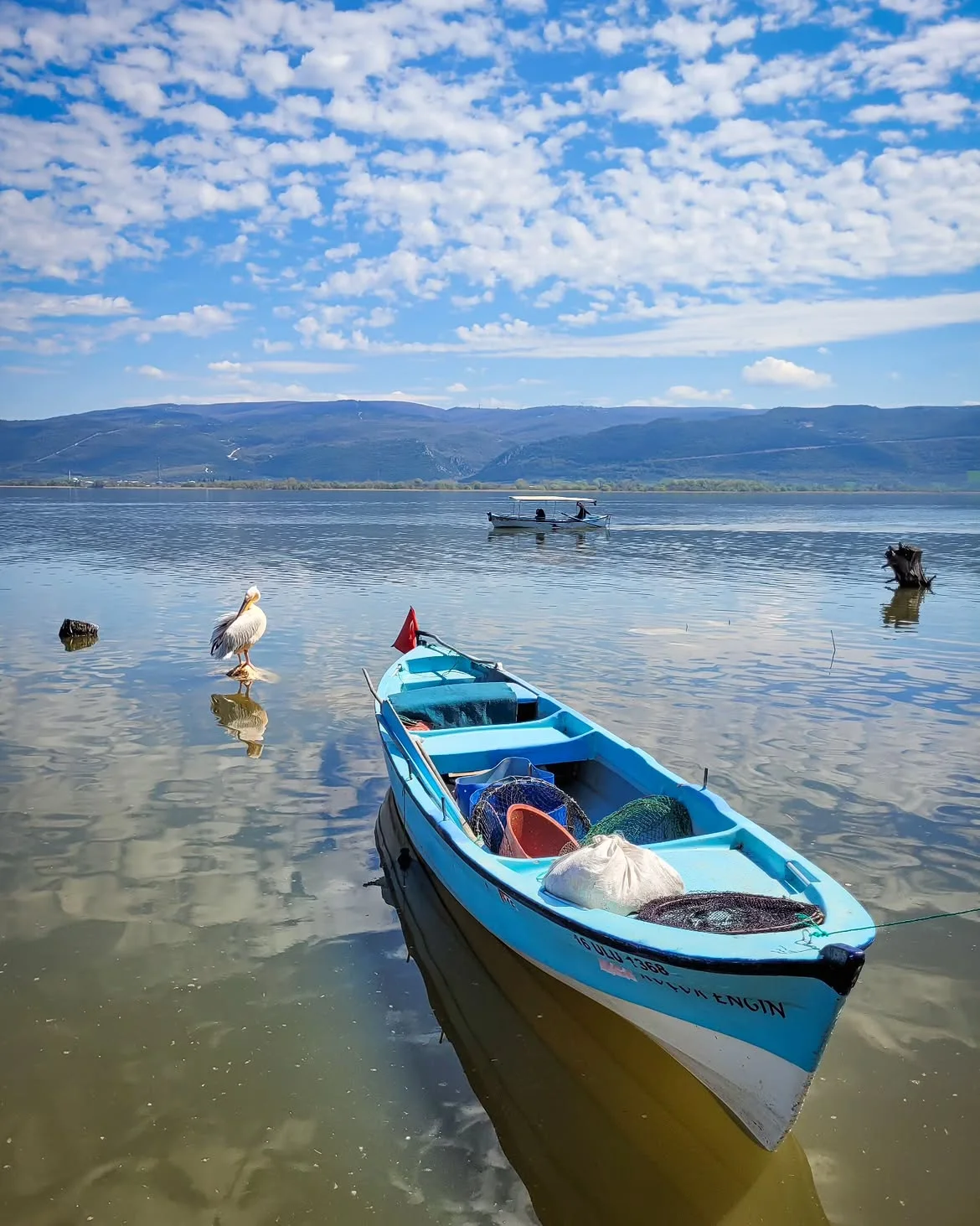
Gölyazı lies in Nilüfer, a district of Bursa in northwestern Türkiye. The village occupies a peninsula and a small island area extending into Lake Uluabat, also historically known as Apolyont. It makes a rewarding day trip from Bursa for travellers interested in local culture, history, nature and photography.
Lake Uluabat is much more than a scenic background. Its wetlands support fish and birdlife, while the lake has shaped the daily routines and livelihoods of the communities around it. Fishing remains an important part of Gölyazı’s identity. The boats along the shore are not merely decorative additions to the landscape; they belong to a living village.
As you approach the settlement, notice how the houses and streets follow the edge of the water. Gölyazı feels different from a conventional seaside resort. Its character comes from the close relationship between land, water and the people who have made their lives here.
From Apollonia to Gölyazı: A Village with Ancient Roots
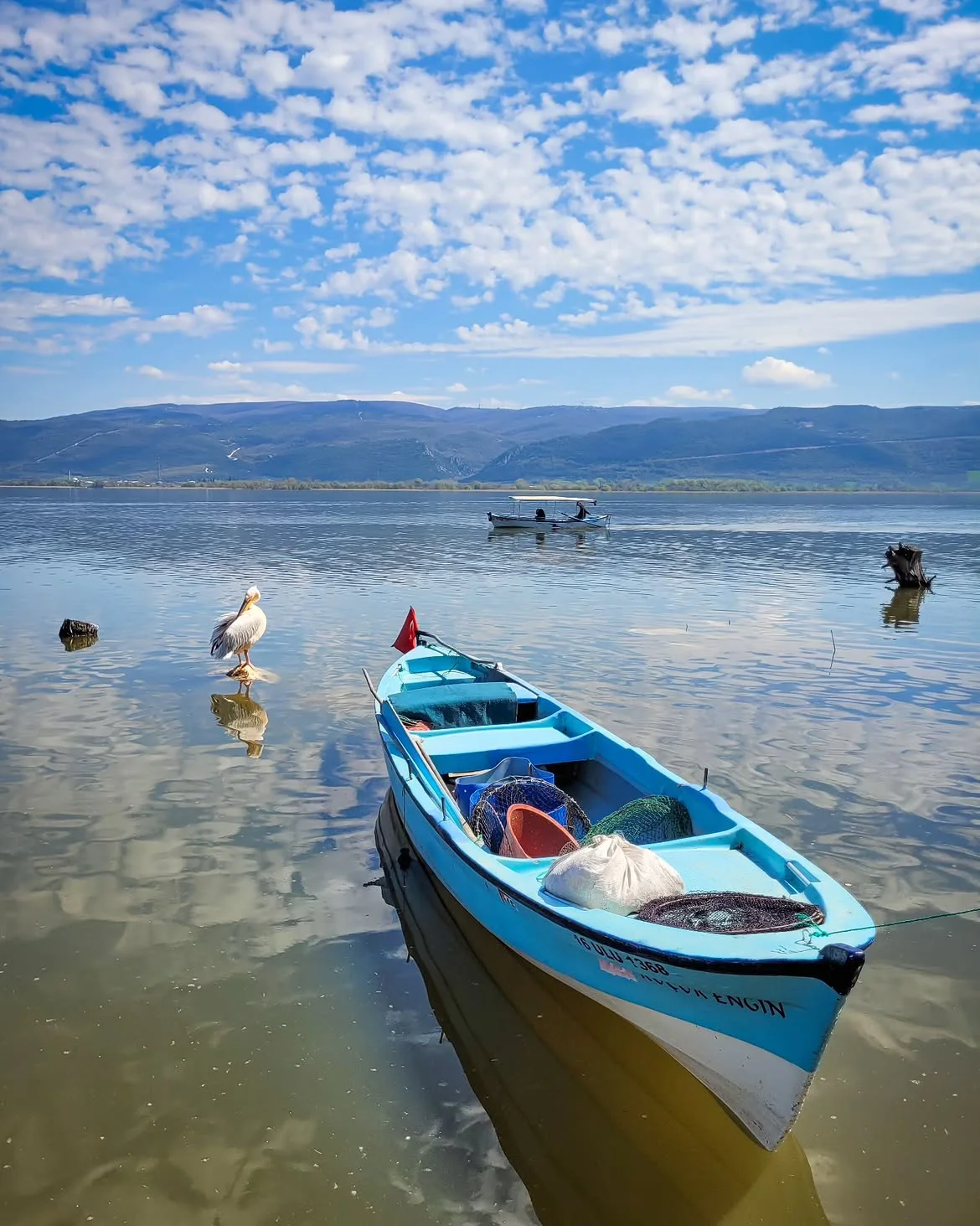
Gölyazı’s history reaches back to the sixth century BC. In antiquity, the settlement was known as Apollonia ad Rhyndacum. Its ancient name offers a glimpse into a much older landscape, when settlements around the lake belonged to a world of trade, cultural exchange and changing political powers.
The story did not end in antiquity. Gölyazı continued through the Roman, Byzantine and Ottoman periods, with different communities shaping its history. During the Ottoman era, Greek Orthodox Christians and Muslim Turks lived in the area. The population exchange of 1924 brought another major change, as Greek residents left and families arriving from Greece settled in the region.
That layered past is part of what makes a walk through Gölyazı interesting. Its historic character cannot be reduced to one architectural style or one period. Ancient remains, religious buildings, traditional homes and the continuing culture of fishing all belong to a much longer story.
You may not recognise every archaeological trace at first glance. Look beyond the most obvious buildings: the layout of a street, an old wall or the way the settlement meets the lake can reveal something about how the village developed. In places like Gölyazı, history is not always displayed behind glass. Sometimes it lies quietly beneath the shape of the present.
The Weeping Plane Tree: A Local Story Beneath an Old Tree
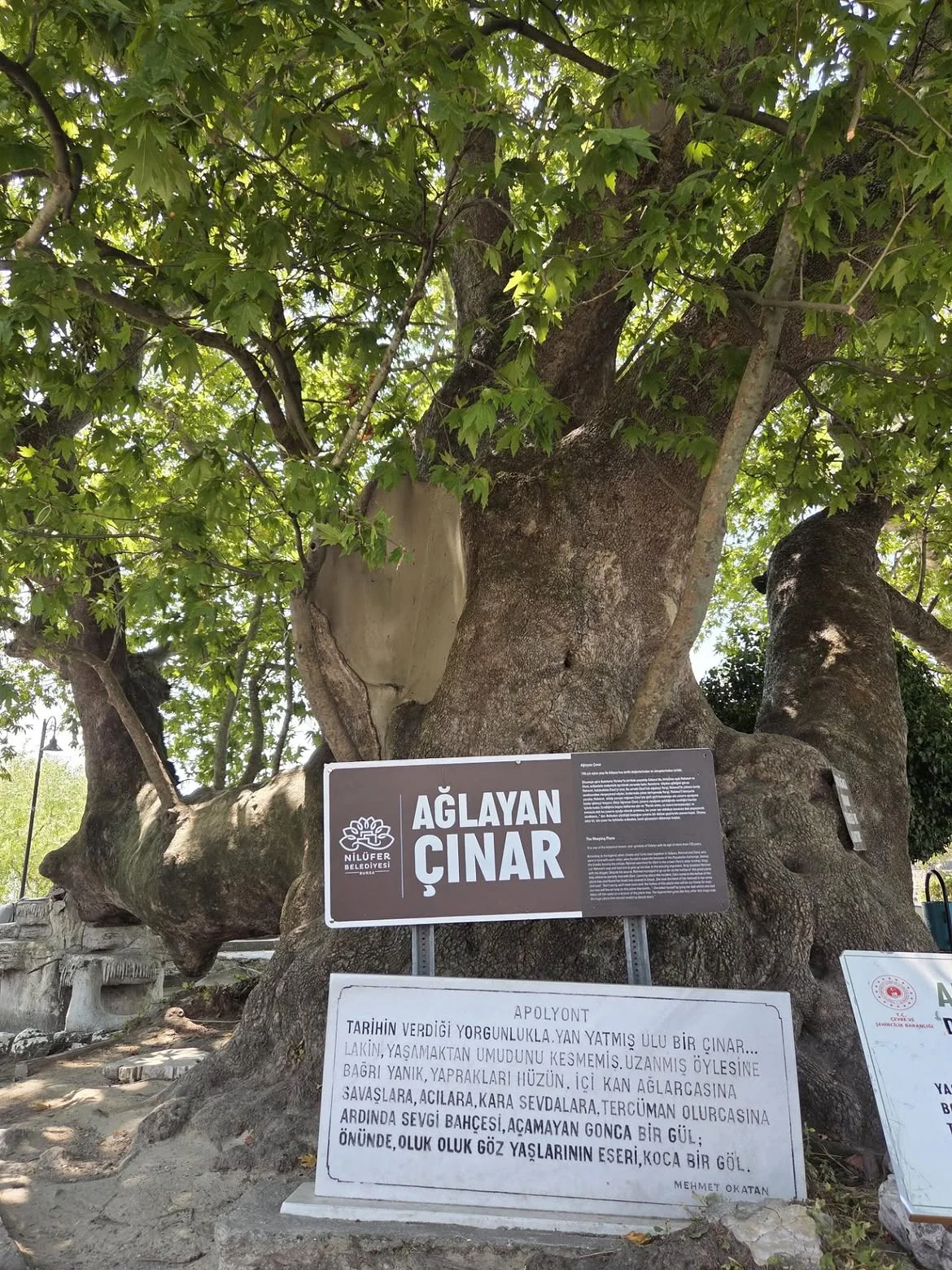
One of Gölyazı’s best-known landmarks is the Weeping Plane Tree, a large old tree associated with a tragic local love story.
According to the tale, Eleni, a Greek girl from Gölyazı, and Mehmet fell in love, but their story ended in tragedy. The tree became linked with their memory and is known locally as the Weeping Plane Tree. This should be understood as local legend rather than a fully verified historical account, but it remains part of the village’s cultural storytelling.
Take a moment here rather than treating the tree as a quick photo stop. Listen to the sounds around the shore, watch the boats and notice the everyday life continuing nearby. Gölyazı’s character comes not only from its views, but also from the long relationship between the village and its landscape.
Historic Places to See in Gölyazı
St. Panteleimon Church
St. Panteleimon Church is one of the historic structures that helps explain Gölyazı’s multicultural past. It is a reminder that the village’s heritage extends beyond its traditional houses and lakeside scenery. If you plan to enter, check current visitor access and opening arrangements before your trip.
The Ancient Remains of Apollonia
Archaeological remains can be found in and around Gölyazı, recalling the settlement’s ancient roots. Not every trace is immediately obvious, so take your time as you walk. Old walls, stone fragments and features in the landscape can suggest how earlier settlements became part of the village we see today.
For visitors interested in ancient history, Gölyazı is worth seeing as more than a picturesque lakeside village. It belongs to a much wider archaeological landscape shaped by centuries of settlement.
Lake Views from Zambaktepe
For a broader view of Gölyazı and Lake Uluabat, the area around Zambaktepe offers a perspective on how the settlement, shoreline and water fit together. From above, the village appears closely woven into the lake rather than simply positioned beside it.
Early morning and the hours approaching sunset can offer softer light for photography. Yet bright sunshine is not always the most interesting condition. A cloudy day can bring out subtler colours in the water and reveal a quieter side of the village.
Things to Do in Gölyazı: Boat Trips, Fishing and Lakeside Life
One of the best ways to enjoy Gölyazı is to leave some space in your schedule. Walk through the narrow lanes, watch the fishing boats near the shore and consider taking a local boat trip if services are operating. Seeing the village from the lake offers a different perspective on its relationship with the water.
Before boarding, ask about the price, duration, route and departure time. These details can vary with the season, operator and weather. Lake Uluabat is an important wetland habitat, so avoid disturbing birds or approaching wildlife too closely.
Fishing is also part of Gölyazı’s living culture. Watching the activity around the boats helps explain why fish have long mattered here as a source of income, food and local identity. If you decide to try lake fish at a local restaurant, ask which species is on the menu and whether it is locally caught.
Gölyazı for Photography Lovers
Gölyazı is one of the most appealing photography destinations around Bursa, but its best images are not limited to panoramic lake views.
- Fishing boats by the shore: Look for reflections, ropes, weathered boat surfaces and the small details of working life.
- Historic lanes: Doors, façades, stone textures and narrow passages can capture the village’s everyday character.
- The Weeping Plane Tree: Explore different angles and include the surrounding landscape. Ask permission before photographing residents or their private moments.
- The wider lake view: From suitable open viewpoints near the shore or around Zambaktepe, frame the relationship between the settlement and the water.
- Changing light: Morning light and the warmer tones near sunset create different moods. Plan time to explore rather than rushing from one famous photo spot to another.
Remember that Gölyazı is a home as well as a destination. The people who fish, work and live here are not part of a tourist set. A polite request before taking someone’s photograph is a small gesture that makes a meaningful difference.
When Is the Best Time to Visit Gölyazı?
Gölyazı can be visited throughout the year, although the experience changes with the season, weather and conditions on the lake. Spring brings renewed life to the surrounding landscape, while autumn can offer softer colours and interesting light for photography. Summer weekends and busy daytime hours may be more crowded.
If you want to walk quietly, take photographs or observe local life, consider arriving early. Sunset can be a beautiful time to look across the lake, although the light depends on the weather and the position of the sun.
Practical Tips Before You Visit Gölyazı
- Location: Gölyazı is in Nilüfer, Bursa. If travelling by car, follow the route from the Bursa–İzmir road towards the Gölyazı turn-off.
- Walking: Wear comfortable shoes. Some lanes and surfaces may be uneven.
- Boat trips: Confirm prices, duration and departure times locally; weather can affect services.
- Food: Lake fish is associated with the area. Ask about the species, menu and prices before ordering.
- Photography: Ask permission before photographing local residents or private spaces.
- Nature: Lake Uluabat is an important wetland and bird habitat. Take your rubbish with you and avoid disturbing wildlife.
- How long to stay: Allow a few hours to walk around, explore historic stops and spend time by the water. You will need longer if you plan a boat trip or a leisurely photography session.
Why Gölyazı Is Worth Visiting
Gölyazı’s appeal lies in the way its different stories share the same small landscape. The traces of ancient Apollonia, historic buildings, fishing boats, an old plane tree and the rhythms of lakeside life all exist side by side. Here, history has not withdrawn entirely into museums; it remains woven into the streets and the water.
Before leaving, take one last look across the lake. Boats move towards the shore, the light shifts on the water and the village gradually returns to its own pace. Perhaps that is Gölyazı’s lasting gift: the difference between simply looking at a beautiful view and recognising the life that continues within it.
💬 Comments (0)
Traveler comments are shown in their original language.
No comments yet. Be the first to share your experience.
💬 Want to join the discussion?
Log in or create an account to leave a comment.