Ayvansaray and Blachernae: Searching for the Palace That Vanished
Follow the Golden Horn from Balat to Ayvansaray, where old walls, a holy spring and Tekfur Palace hold fragments of Constantinople’s lost imperial quarter.
 Burak ÇınarTurkTravelRadar Founder
September 27, 2026
Leave Balat beside the Golden Horn.
After its steep streets and brightly painted houses, the shore gives you an easy direction to follow. Keep the water on your right and continue toward Ayvansaray.
You might expect a palace to announce itself.
A gate. A courtyard. A building large enough to settle the question of where it stood.
Ayvansaray gives you walls, streets and pieces of a much larger story.
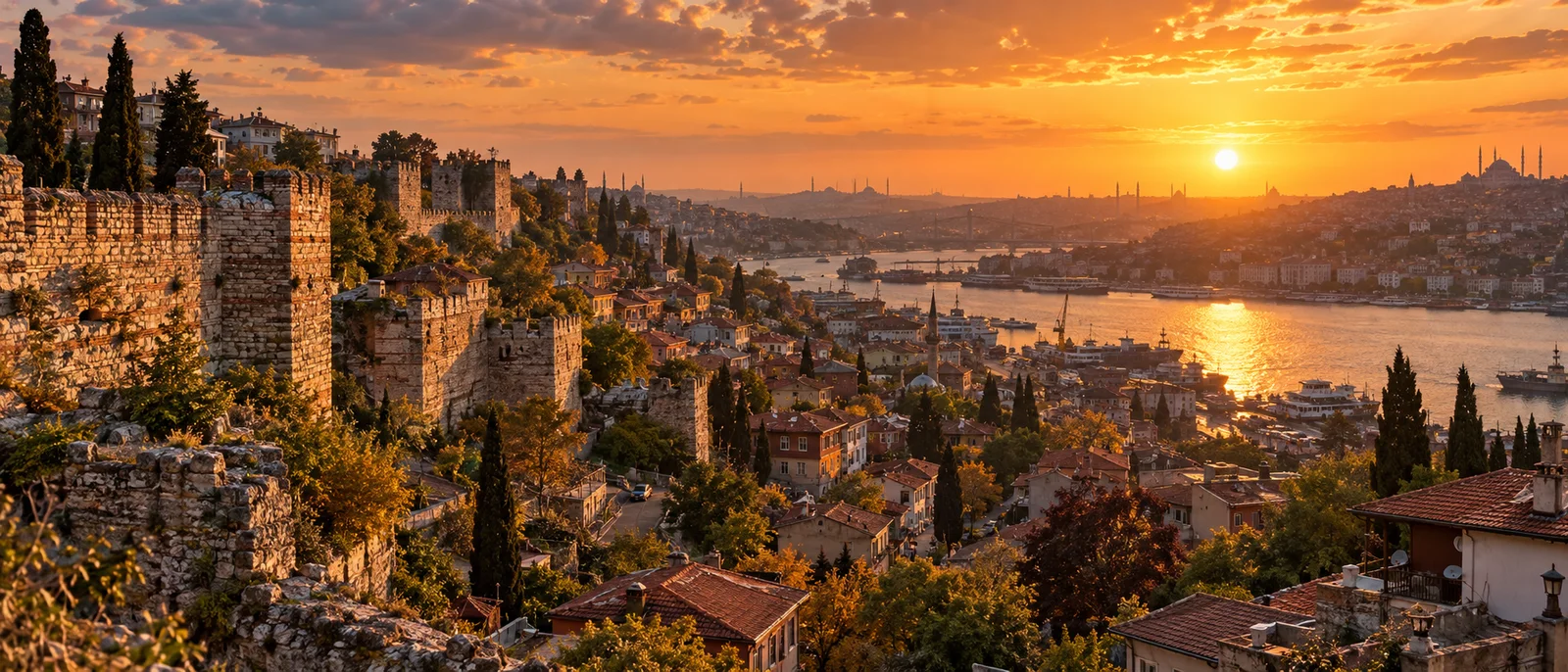
This was the area of Blachernae, an imperial quarter of Byzantine Constantinople. Emperors lived here. Today, you have to walk through a living neighbourhood to understand where that vanished world once met the water.
Walking note — Physical effort: 2/5 along the shore; 4/5 with Tekfur Palace
The walk from Balat into Ayvansaray is fairly gentle. Continuing uphill to Tekfur Palace makes it a more demanding route. You can explore the lower neighbourhood and leave the palace museum for a separate walk.
Where the City Met Its Walls
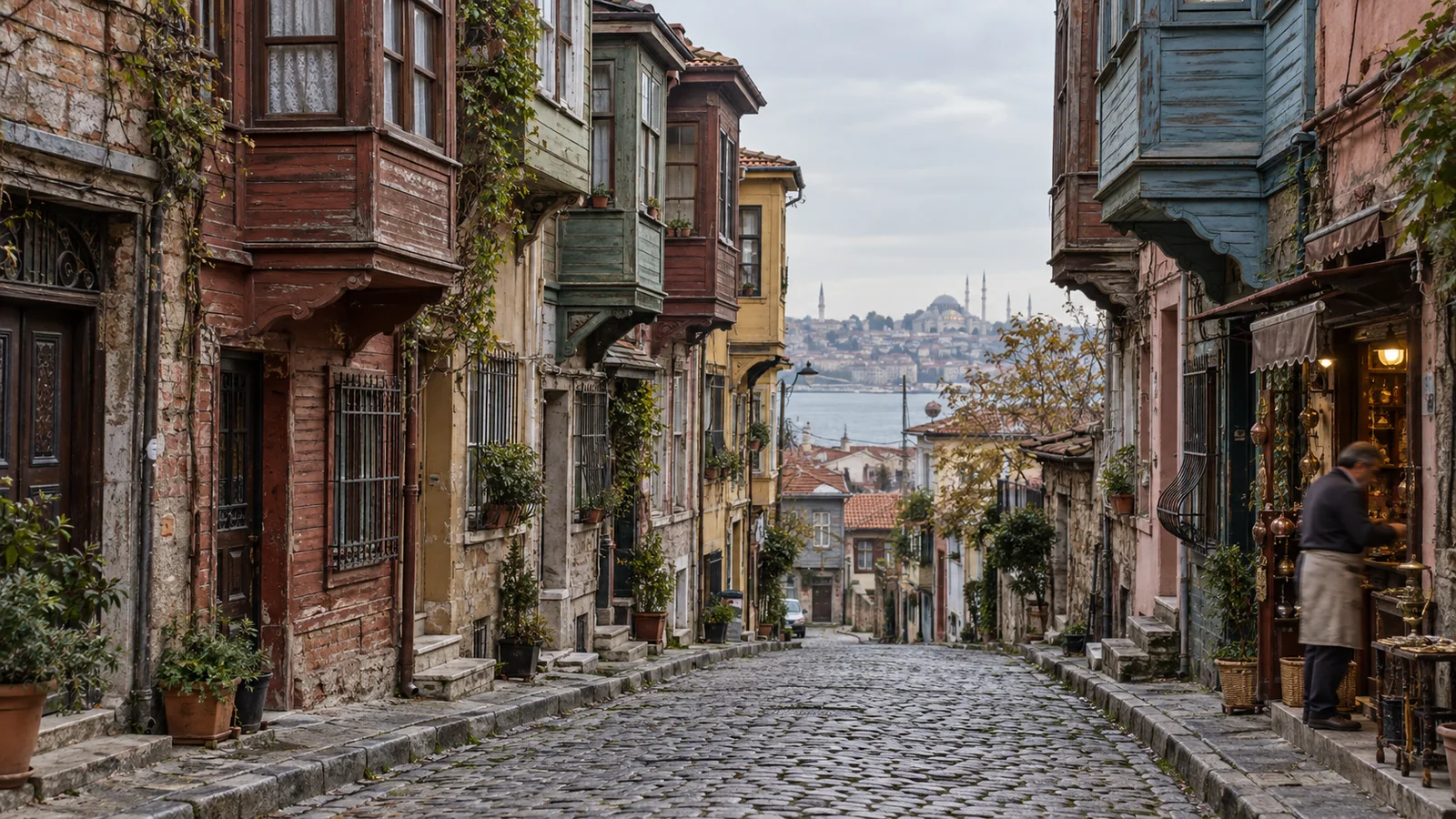
Turn inland from the Ayvansaray waterfront and follow the public streets toward the old walls.
They do not appear as one unbroken line. A section rises behind a modern street; another is easier to see after you turn a corner. The city has built itself close to them. People live and work beside stone that once marked a defended edge.
Stand back where the street allows and look up.
The wall tells you how seriously Constantinople guarded this corner. The Golden Horn protected one side of the city. Land walls protected another. Here, the lines of defence and the palace quarter drew near to one another.
It is tempting to call every old wall you see “the palace.” Resist that shortcut. Blachernae was a wider area and palace complex, and what survives is scattered. The search becomes more interesting when you know you are looking at fragments.
Route cue — From the waterfront: In Ayvansaray, turn away from the Golden Horn toward Kuyu Sokak and the streets around the Blachernae walls. Follow public roads and marked crossings; sections of wall and adjoining land may be closed or under repair.
A Small Church with a Long Memory
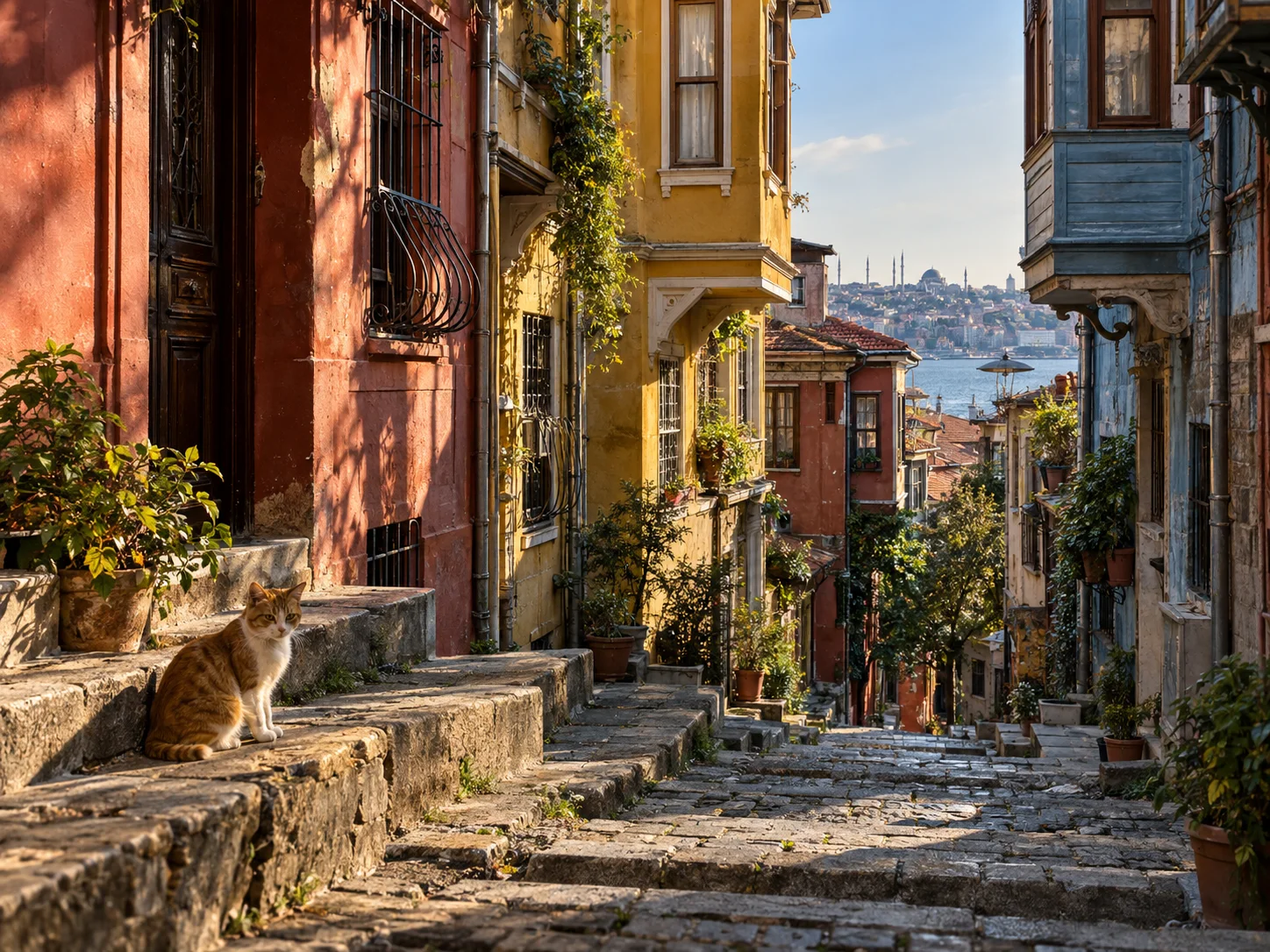
Find the Church of St Mary of Blachernae, also called Panagia Vlaherna, near its holy spring.
If you came expecting the vast church known to Byzantine worshippers, its size may surprise you. The great earlier church did not survive intact. The modest building you find today belongs to a much later rebuilding.
The place, however, holds an older memory.
For centuries, this part of the city was associated with devotion to the Virgin Mary and with the spring beside the church. The palace quarter was a place of imperial power; this was a place people approached in prayer.
Both histories occupied the same neighbourhood.
If the church is open, enter respectfully. If it is closed, pause outside and let its scale change your sense of the walk. A small building can mark a place that once mattered to an entire capital.
Visiting note — Panagia Vlaherna: This is a functioning Orthodox place of worship. Visitor access may vary. The present church is a later building on a historic sacred site; it is not the surviving fifth-century church.
The Palace You Cannot Walk Through
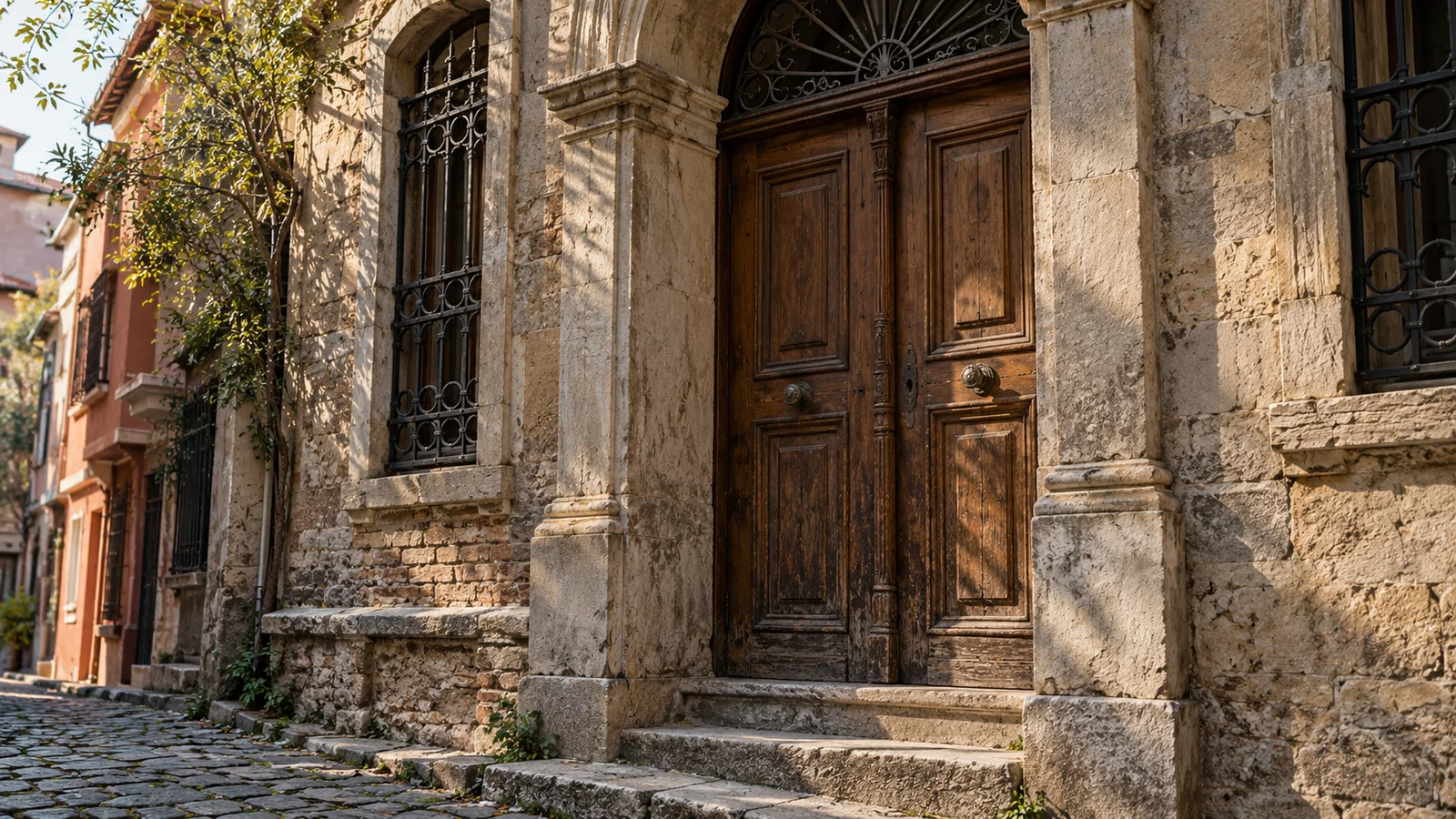
Continue along the walls and look at the streets around them.
Try to picture a palace quarter without filling every gap with imaginary marble halls. There were buildings here, routes through them and views toward the Golden Horn. Most of that physical world has gone.
What remains is enough to ask better questions.
Where did a wall meet a residence? How did someone move between the shore and the buildings above? What stood on the slope you are about to climb?
Ayvansaray does not answer all of them. It lets you see the ground on which they belong.
You may hear traffic from a larger road while you are trying to follow a line of old stone. That interruption is part of the place, too. The palace disappeared; the city continued.
If You Climb to Tekfur Palace
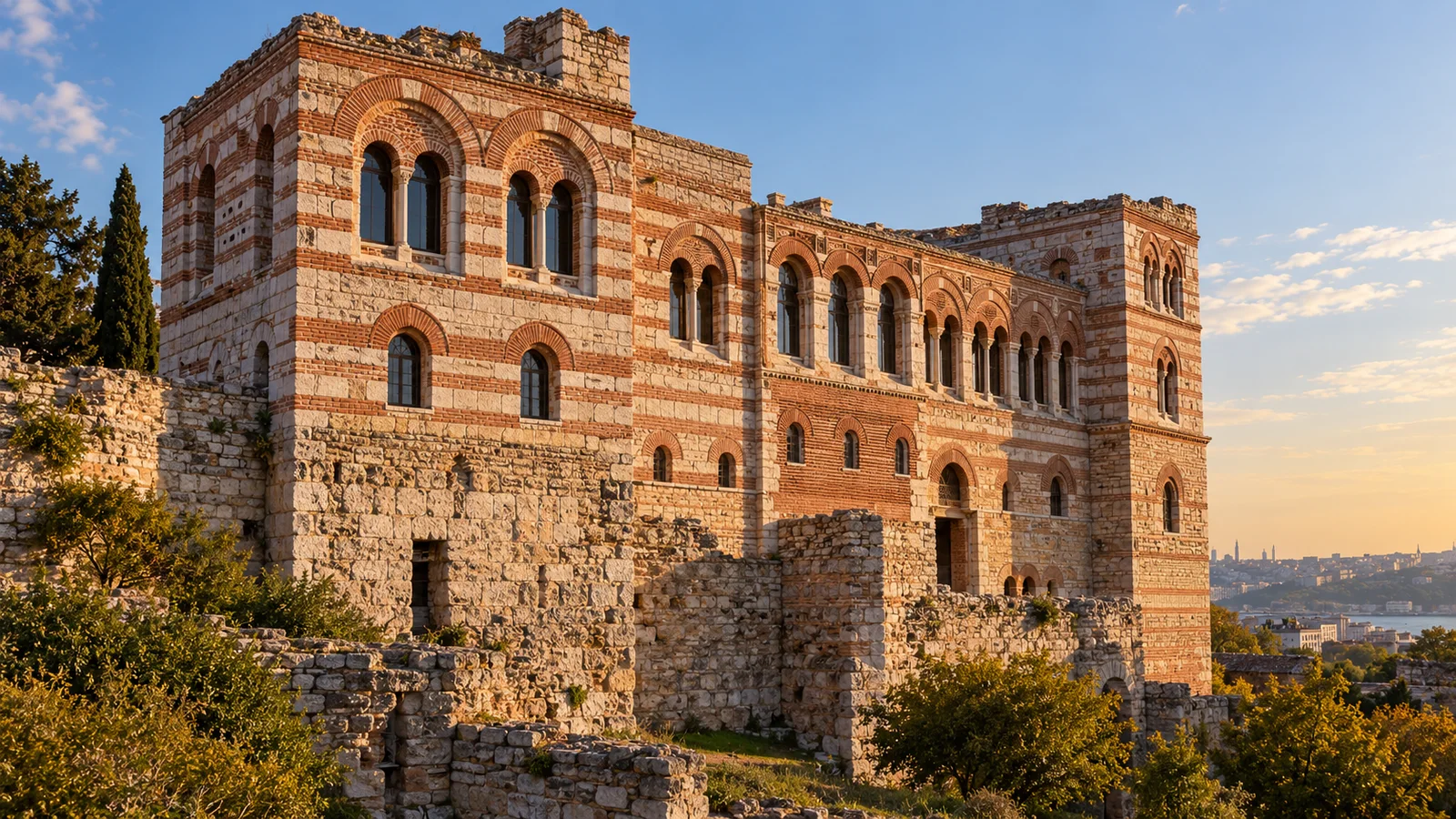
To see a surviving palace building, continue uphill toward Tekfur Palace near Edirnekapı.
This is an extension of the Ayvansaray walk, not a building waiting at the end of the waterfront. The climb takes effort. Give it its own time.
When you reach the palace, look back toward the ground you have covered. The height makes the relationship clearer: the water below, the defended edge of the city and the imperial buildings above it.
Tekfur Palace is a museum today. It offers something the lower streets cannot: a structure you can stand before and examine. But do not mistake one surviving building for the whole of Blachernae. The greater palace quarter has to be understood through the pieces spread across this part of Fatih.
Optional extension — Tekfur Palace Museum: Add this stop if you have the time and energy for the uphill walk. Check the museum’s current opening information before setting out; access to historic sites can change.
What to Carry Away
You began in Balat among houses people still live in. In Ayvansaray, you searched for rooms no one can enter because most of them no longer exist.
You found a wall beside an ordinary street. A small church where a far larger sacred history survives. A slope leading to the remains of an imperial world.
There was no single view that explained it all.
Perhaps that is why Ayvansaray stays with you. It asks you to notice what is present, then think carefully about what has gone.
From Tekfur Palace, the walls lead on toward Edirnekapı and Kariye. Another building waits there with a past you can still see on its walls.
Follow the city’s edge. The story is not finished.
Follow the walls to the next chapter → Kariye and Edirnekapı: The Stories Left on the Walls
💬 Comments (0)
Traveler comments are shown in their original language.
No comments yet. Be the first to share your experience.
💬 Want to join the discussion?
Log in or create an account to leave a comment.