5 Popular Turkish Dishes You Have to Try on Your First Visit
From buttery İskender to garlic-yogurt mantı and comforting bean stew, discover five Turkish dishes to try, with simple ordering and dietary tips.
 Burak ÇınarTurkTravelRadar Founder
October 2, 2026
The smell of warm butter reaches your table before the plate does.
Across the room, someone squeezes lemon over a freshly baked lahmacun. A spoon touches a bowl of yogurt-covered mantı. At the counter, a cook lifts the lid from a pot of beans, releasing a cloud of steam.
Choosing what to eat in Turkey can become one of the pleasures of the trip.
These five Turkish dishes give you a varied starting point: a generous kebab plate, small filled dumplings, a thin baked flatbread, a comforting bean stew and carefully rolled vine leaves.
You do not need to try them all in one meal. Make room for them across your visit, and you will discover different sides of Turkish cooking.
1. İskender Kebab: Döner, Warm Bread and Butter
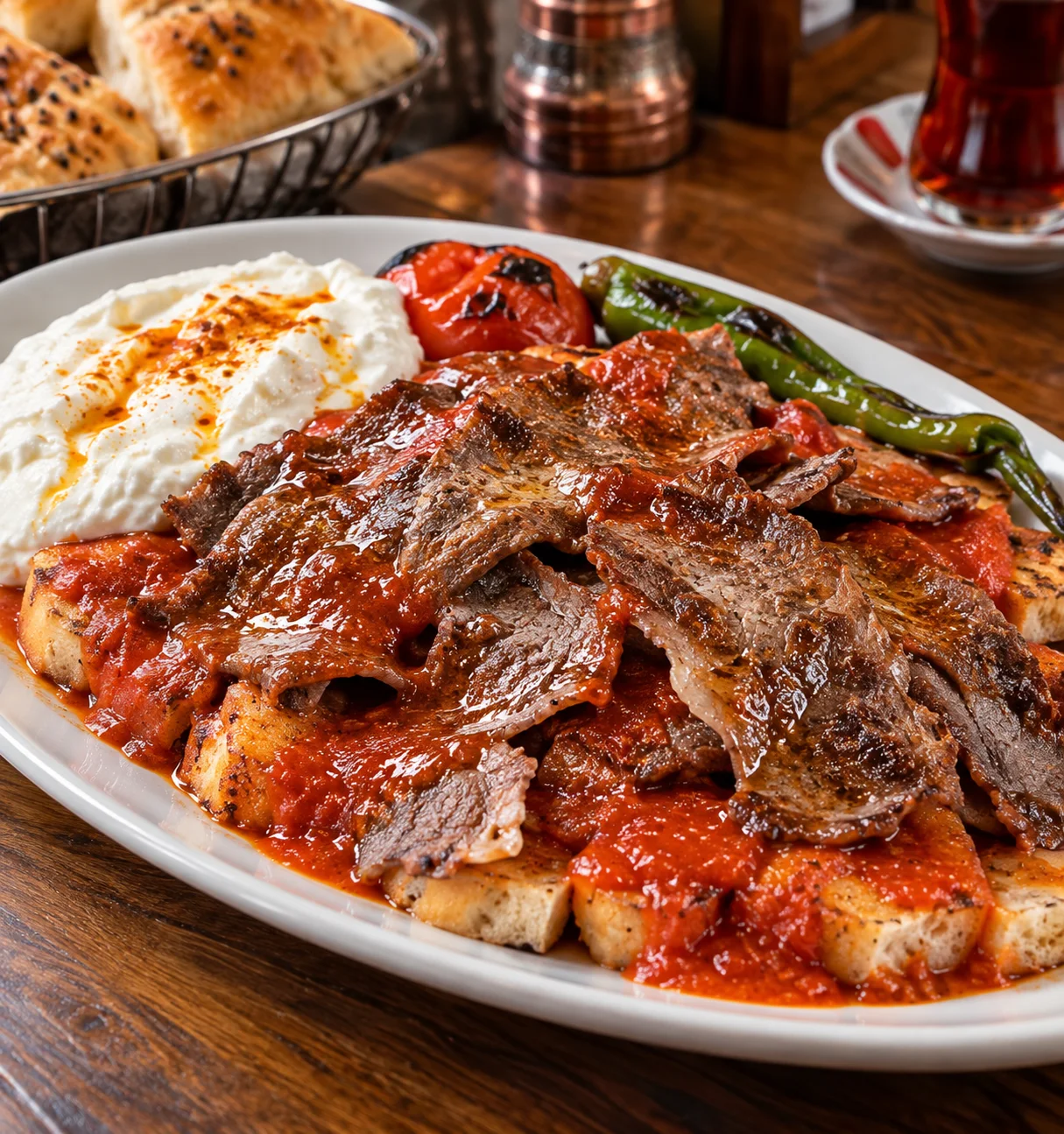
The plate arrives with thin slices of döner resting on pieces of bread. Tomato sauce coats the meat, yogurt waits at the side, and melted butter brings a rich aroma.
İskender is a plated kebab closely associated with Bursa, combining döner, bread, tomato sauce, yogurt and butter.
Take a forkful that reaches down to the bread. It has absorbed some of the sauce and meat juices, giving you a softer texture beneath the savoury meat. Add a little yogurt to the next bite and notice its tang against the butter.
This is a satisfying choice when you want to sit down for a substantial lunch after sightseeing.
What to know before ordering
- It is a full plated meal, rather than a döner sandwich.
- The meat used can vary; ask if you have a preference.
- Bread, yogurt and butter mean the usual preparation contains gluten and dairy.
How to order:
“Bir porsiyon İskender, lütfen.”
One portion of İskender, please.
2. Kayseri Mantısı: Small Dumplings with Garlic Yogurt
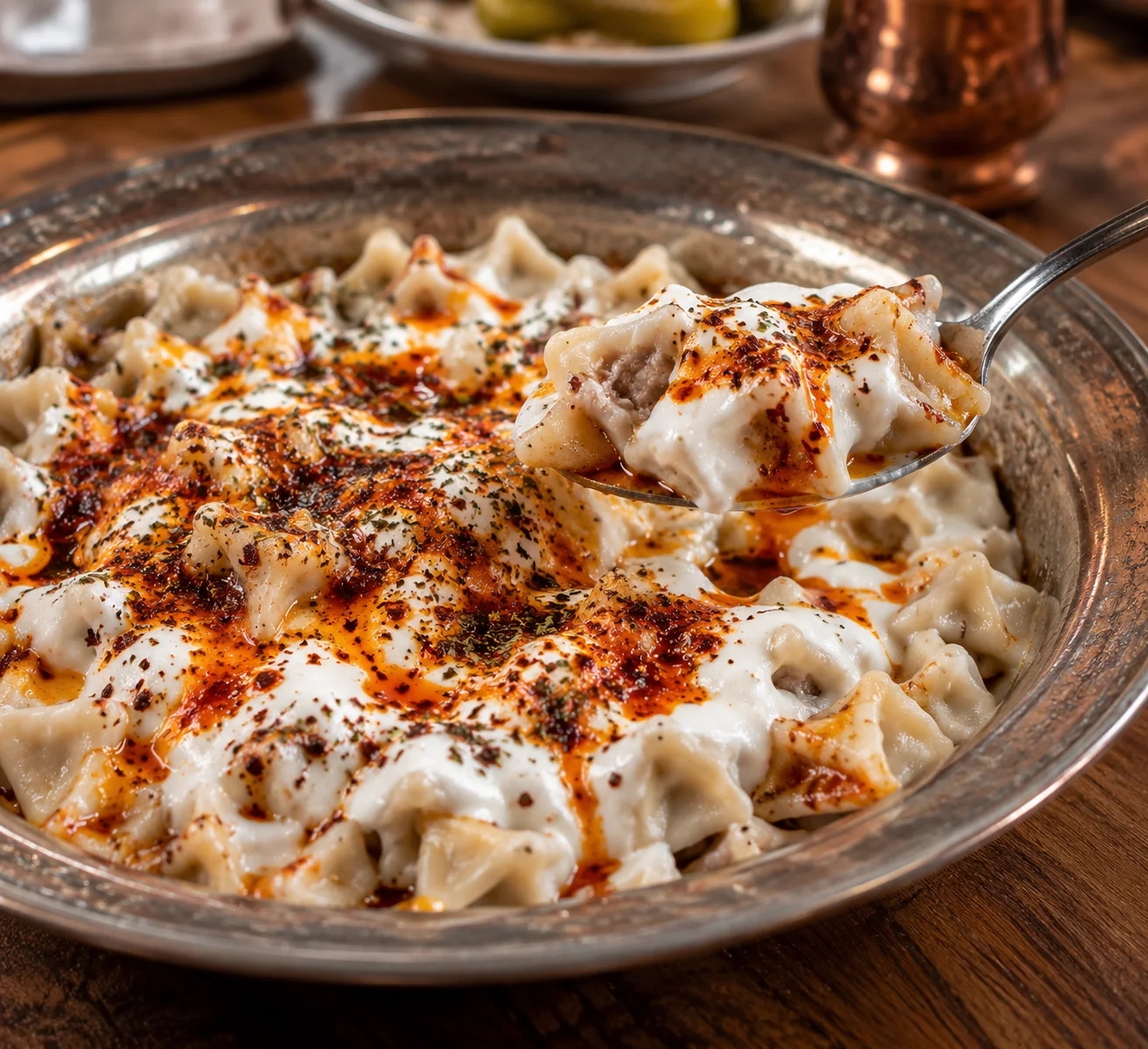
Your spoon gathers several tiny dumplings beneath a layer of yogurt.
The dough feels tender, the filling adds a savoury centre, and garlic brings a fragrance you notice before the next spoonful. A warm sauce may leave red streaks across the white surface.
Kayseri mantısı is a style of small, filled Turkish dumplings associated with Kayseri, commonly served with garlic yogurt. The familiar filling is minced meat, while sauces and seasonings vary between kitchens.
It is a useful introduction to Turkish cooking if you enjoy dumplings or filled pasta. The yogurt makes the experience distinctive: cool tang meeting warm dough and meat.
Try a spoonful as served before adding extra seasonings.
What to know before ordering
- Standard Kayseri-style mantı usually contains meat.
- Garlic yogurt is a familiar accompaniment; ask if you prefer plain yogurt.
- Wheat dough and yogurt make gluten and dairy relevant dietary considerations.
How to order:
“Bir porsiyon Kayseri mantısı, lütfen.”
One portion of Kayseri mantı, please.
3. Lahmacun: Thin Dough, Savoury Topping and a Squeeze of Lemon
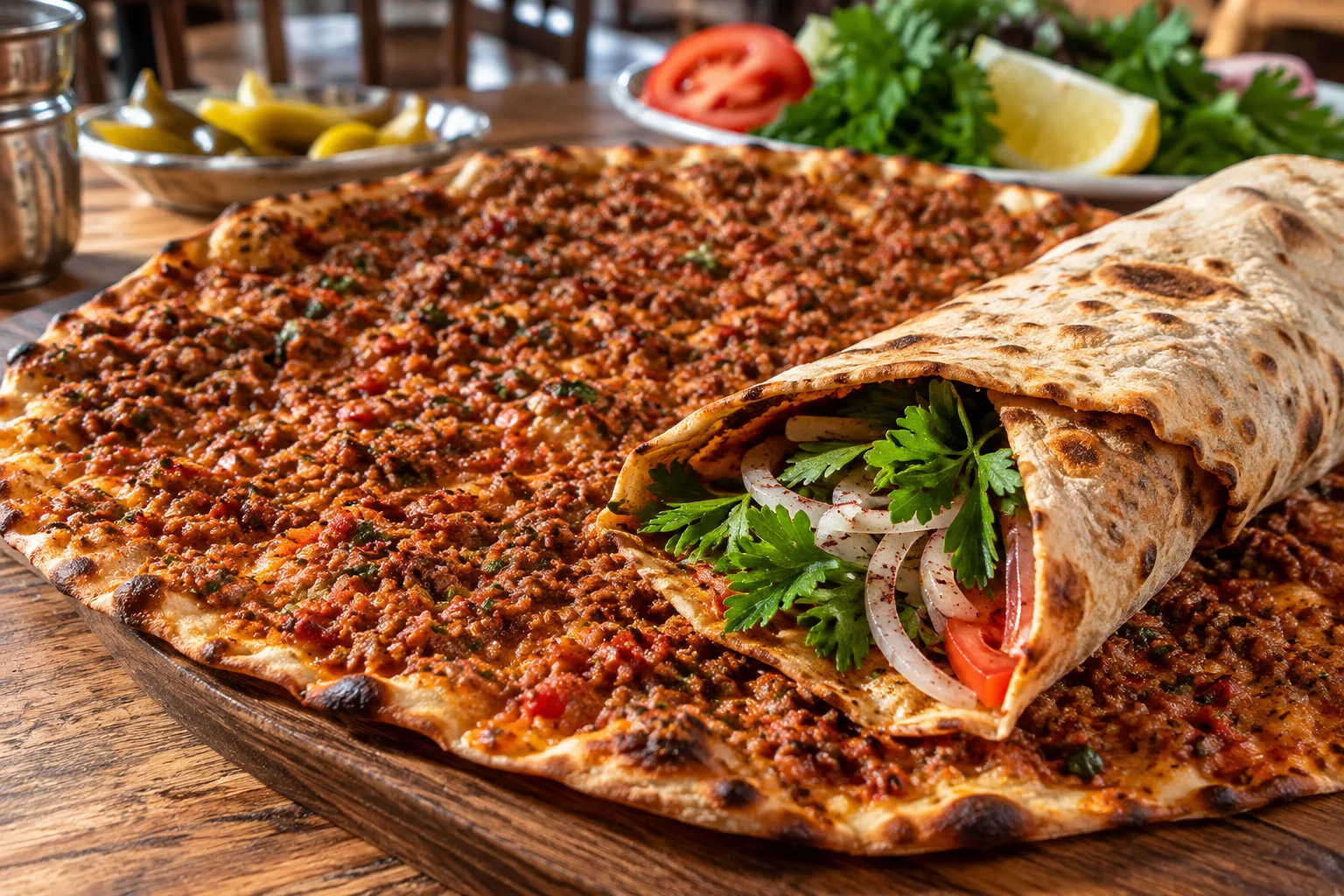
A freshly baked lahmacun reaches the table with lightly browned edges.
Lift one side and feel how thin the dough is. Add a little parsley, onion or salad if provided, squeeze over some lemon, then fold or roll it loosely.
The first bite brings baked dough, savoury minced meat and fresh acidity.
Lahmacun is a thin baked flatbread topped with a mixture of minced meat, vegetables, herbs and seasonings. Regional recipes differ, including in their use of garlic, onion and pepper.
It is sometimes called “Turkish pizza” on English menus, but that comparison only goes so far. Lahmacun is generally thinner and normally has no cheese.
Choose it when you want a freshly baked meal that you can eat with your hands. Piece sizes vary, so ask before deciding how many to order.
What to know before ordering
- Regular lahmacun contains meat and wheat.
- The topping may already have some heat.
- Lemon and fresh accompaniments let you adjust each bite.
How to order:
“Bir lahmacun, lütfen.”
One lahmacun, please.
To ask about heat:
“Acılı mı?”
Is it spicy?
4. Kuru Fasulye: A Bowl of Turkish Comfort Food
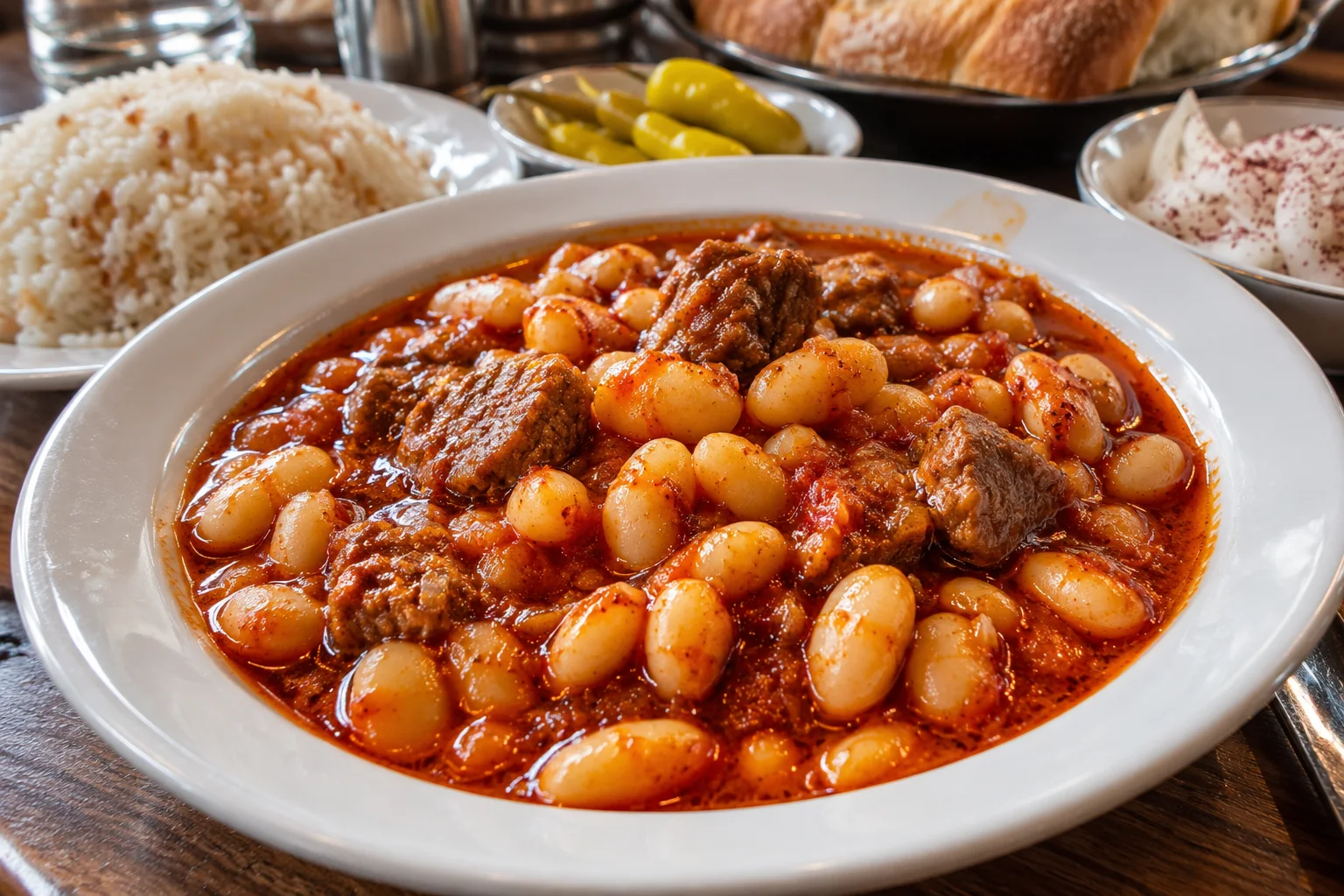
Steam rises as your spoon moves through the beans.
They are tender, surrounded by a savoury sauce that you can gather with bread or eat alongside rice. A pickle, if served, adds a sharp crunch between softer mouthfuls.
Kuru fasulye is a Turkish stew made with dried white beans, often served with rice pilaf. It belongs to the everyday food tradition visitors can explore alongside kebabs and pastries.
Look for it at a lokanta, a restaurant serving cooked Turkish dishes. At some, you can see the day’s food displayed at the counter before ordering.
Recipes vary. The beans may be cooked without meat or prepared with meat or cured meat. The fat and stock used matter too if you follow a vegetarian or vegan diet.
What to know before ordering
- A bean dish is not automatically vegetarian.
- Rice may be ordered separately or included in a meal.
- For dietary requirements, ask about stock and cooking fat as well as visible ingredients.
How to order:
“Bir porsiyon kuru fasulye ve pilav, lütfen.”
One portion of white bean stew and rice, please.
To ask about meat:
“İçinde et var mı?”
Does it contain meat?
5. Yaprak Sarma: Vine Leaves Wrapped Around a Carefully Made Filling
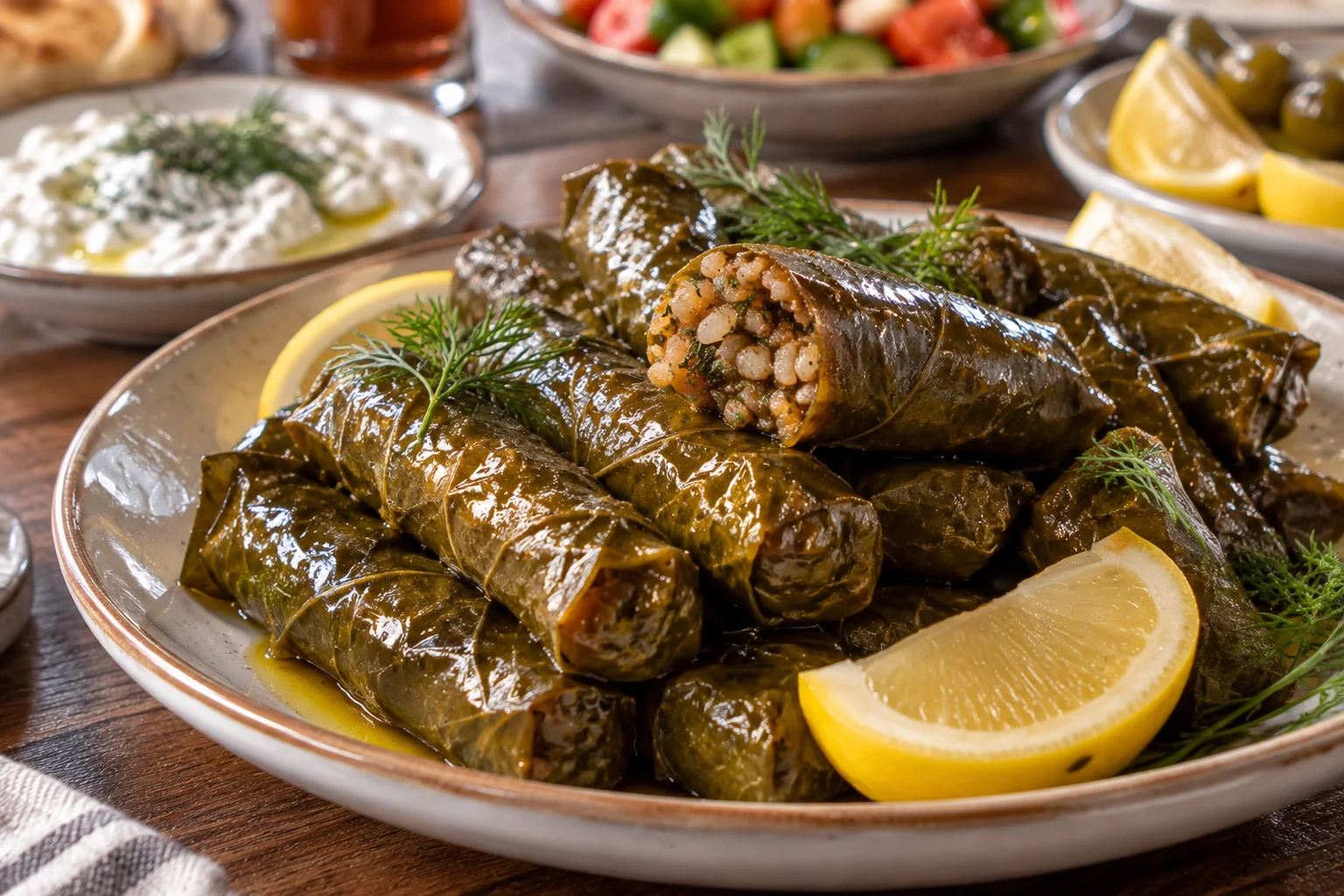
The rolls sit close together on the plate, their vine leaves glossy and neatly folded.
Cut into one. Inside, rice and herbs may appear, or a filling that includes minced meat. The leaf brings a gently tangy flavour around the softer centre.
Yaprak sarma consists of vine leaves wrapped around a filling and cooked. Olive-oil versions commonly contain rice, onion and herbs; meat-filled versions also form part of Turkish cooking.
The distinction helps when choosing.
Zeytinyağlı yaprak sarma refers to an olive-oil preparation, often served cool or at room temperature. Etli yaprak sarma contains meat and is commonly served warm, sometimes with yogurt.
Depending on the restaurant, sarma may be a starter, a shared plate or a larger portion. Ask how it is served if you want it as your main meal.
What to know before ordering
- “Sarma” alone does not tell you whether the filling contains meat.
- Herbs, spices and additions vary.
- Confirm the full preparation for vegetarian or vegan requirements.
How to order:
“Bir porsiyon zeytinyağlı yaprak sarma, lütfen.”
One portion of olive-oil vine leaf rolls, please.
Which Turkish Dish Should You Try First?
Choose according to the meal you want, rather than trying to fit everything onto one table.
| If You Want… | Start With | What Makes It a Good Match |
|---|---|---|
| A substantial meat-based lunch | İskender kebab | Döner, bread, sauce and yogurt on one plate |
| Dumplings with a different flavour combination | Kayseri mantısı | Small filled dumplings with garlic yogurt |
| A freshly baked meal eaten by hand | Lahmacun | Thin dough, savoury topping and fresh accompaniments |
| Everyday Turkish home-style cooking | Kuru fasulye with pilav | Tender beans and rice |
| A dish to share, with meat-free versions available | Yaprak sarma | Vine leaf rolls with different fillings |
A simple approach is to try one substantial dish at lunch, then choose something different the next day. You will remember the flavours more clearly when you give each meal its own space.
Practical Ordering Tips for Your First Visit
Check the portion before ordering several dishes. A plate of İskender and a portion of mantı can each make a complete meal.
Ask what comes with it. Rice, yogurt, salad and bread may be included, served separately or available for an additional charge.
Confirm dietary requirements dish by dish. Meat, dairy, wheat, cooking fats and stocks can appear in places you might not expect.
Check the menu price before ordering extras. Prices vary by city, business, portion size and service style.
You can ask:
“Yanında ne geliyor?”
What comes with it?
Frequently Asked Questions
Is Turkish food always spicy?
No. These dishes offer different flavours, and the amount of heat depends on the recipe. Lahmacun toppings, sauces and added pepper can be spicy, so ask if you prefer mild food.
Which of these dishes can be vegetarian?
Olive-oil yaprak sarma and meat-free kuru fasulye can be possibilities. Confirm the filling, stock and cooking fat. Standard İskender, Kayseri mantısı and lahmacun usually contain meat.
Can I find these dishes outside their associated cities?
Yes, these dishes appear on menus beyond their regional centres. Bursa is strongly associated with İskender and Kayseri with its mantı, but you can seek out both during visits elsewhere.
Do I need to order all five to understand Turkish food?
No. Start with the dish that appeals to you and explore gradually. These five are an introduction to a much broader cuisine.
Five Meals to Remember
You might remember the butter arriving over your İskender, the garlic in the mantı yogurt or the way the edge of a lahmacun bends in your hand.
Another day, it may be a quiet lunch of beans and rice, or a shared plate of vine leaves that disappears one roll at a time.
Give these dishes a place in your trip. Each offers a different texture, setting and way of eating—and a reason to look forward to your next meal.
Turkish Dishes at a Glance
| Dish | What It Is | Main Flavour and Texture | Useful Dietary Check |
|---|---|---|---|
| İskender kebab | Döner over bread with tomato sauce, yogurt and butter | Savoury meat, softened bread and tangy yogurt | Meat, wheat and dairy |
| Kayseri mantısı | Small filled dumplings, commonly with garlic yogurt | Tender dough, savoury filling and garlic | Meat, wheat and dairy; dough ingredients vary |
| Lahmacun | Thin flatbread with a minced-meat topping | Baked dough, herbs and savoury topping | Meat, wheat and possible chilli |
| Kuru fasulye | White bean stew, often paired with rice | Tender beans and savoury sauce | Meat, stock and cooking fat vary |
| Yaprak sarma | Vine leaves rolled around rice-based or meat-containing fillings | Tangy leaves and soft filling | Confirm meat, cooking fat and accompaniments |
💬 Comments (0)
Traveler comments are shown in their original language.
No comments yet. Be the first to share your experience.
💬 Want to join the discussion?
Log in or create an account to leave a comment.