Museums & History
☆No ratings yet(0 reviews)↓
🛡️ Radar (0)↓
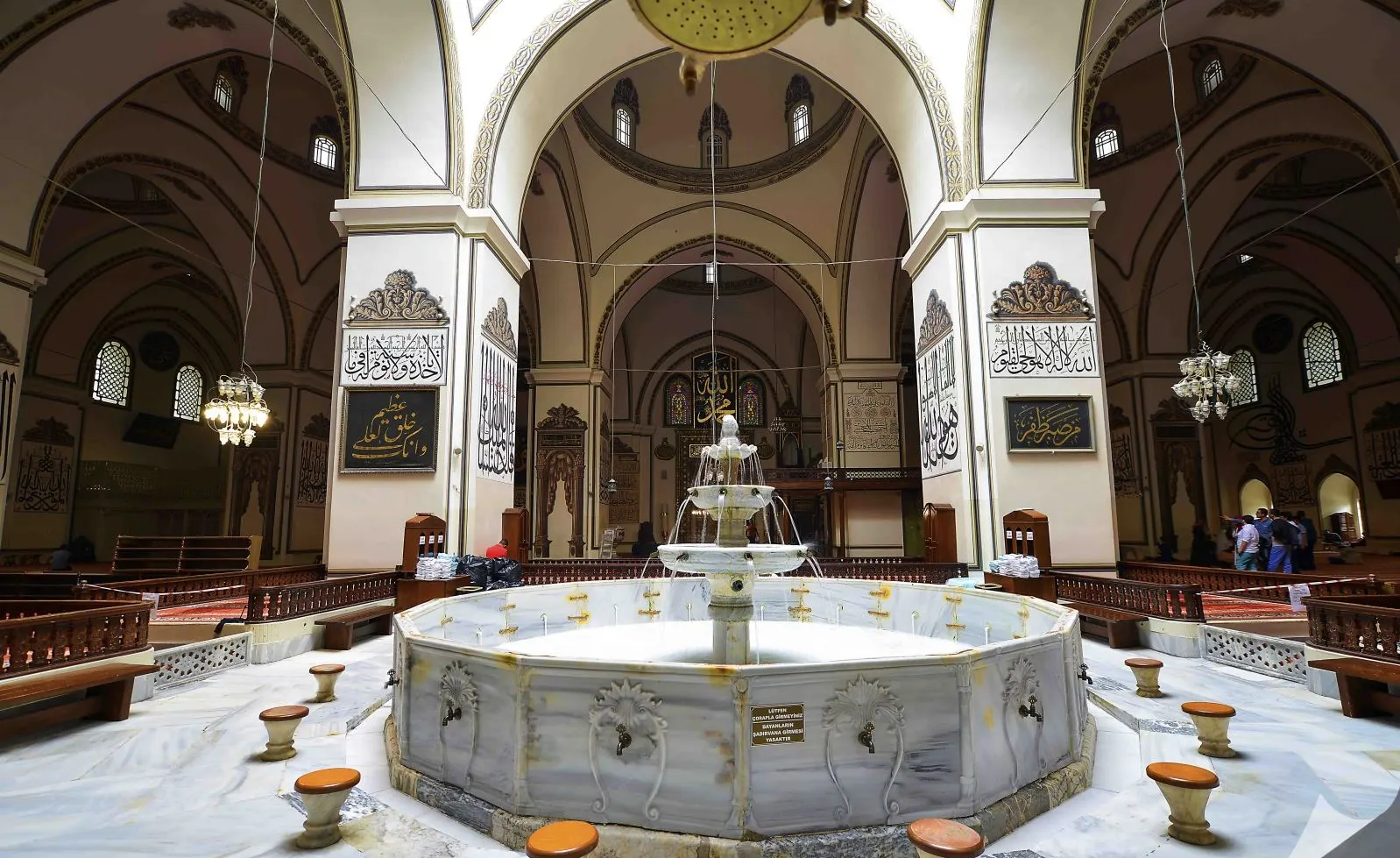
Bursa Grand Mosque, also known as Ulu Cami, is one of the finest examples of early Ottoman architecture. Commissioned by Sultan Bayezid I and completed around 1400, the mosque is renowned for its twenty domes, magnificent Islamic calligraphy, intricately crafted wooden minbar and central fountain. Located in the heart of Bursa's historic centre, close to the traditional bazaars, it offers visitors a remarkable insight into the city's Ottoman heritage and religious history.
📍 Nalbantoğlu Mahallesi, Atatürk Caddesi, Osmangazi, Bursa, Türkiye
View on map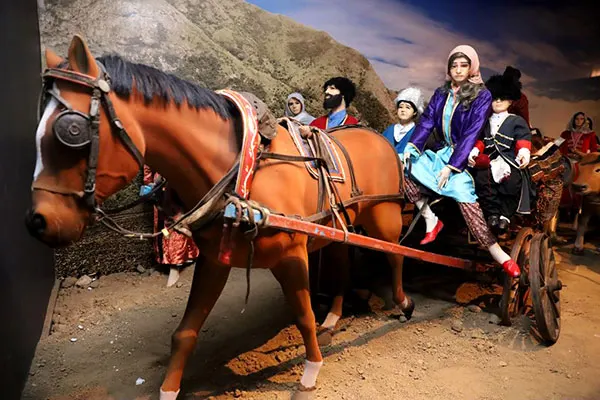
Museums & History
☆No ratings yet(0 reviews)↓
🛡️ Radar (0)↓
The Bursa Migration Museum explores the journeys, memories and cultural encounters that have helped shape the identity of Bursa. Covering the story of human settlement and migration from prehistoric times to the present, the museum focuses on movements from regions including the Balkans, Crimea and the Caucasus. Chronologically arranged exhibitions, collection objects and reconstructed scenes help visitors understand why people left their homelands, what traditions they carried with them and how they built new lives in Bursa. The museum also examines how migration influenced the city’s social, economic and cultural development. For travellers who want to look beyond Bursa’s famous architecture and discover the human stories behind its multicultural character, this museum offers a meaningful perspective on the city’s past and present.
📍 Bursa Göç Tarihi Müzesi, Merinos Parkı, Atatürk Kongre Kültür Merkezi, Doğu Girişi 2. Kat (Tekstil ve Sanayi Müzesi Üst Katı), Osmangazi̇/Bursa
View on map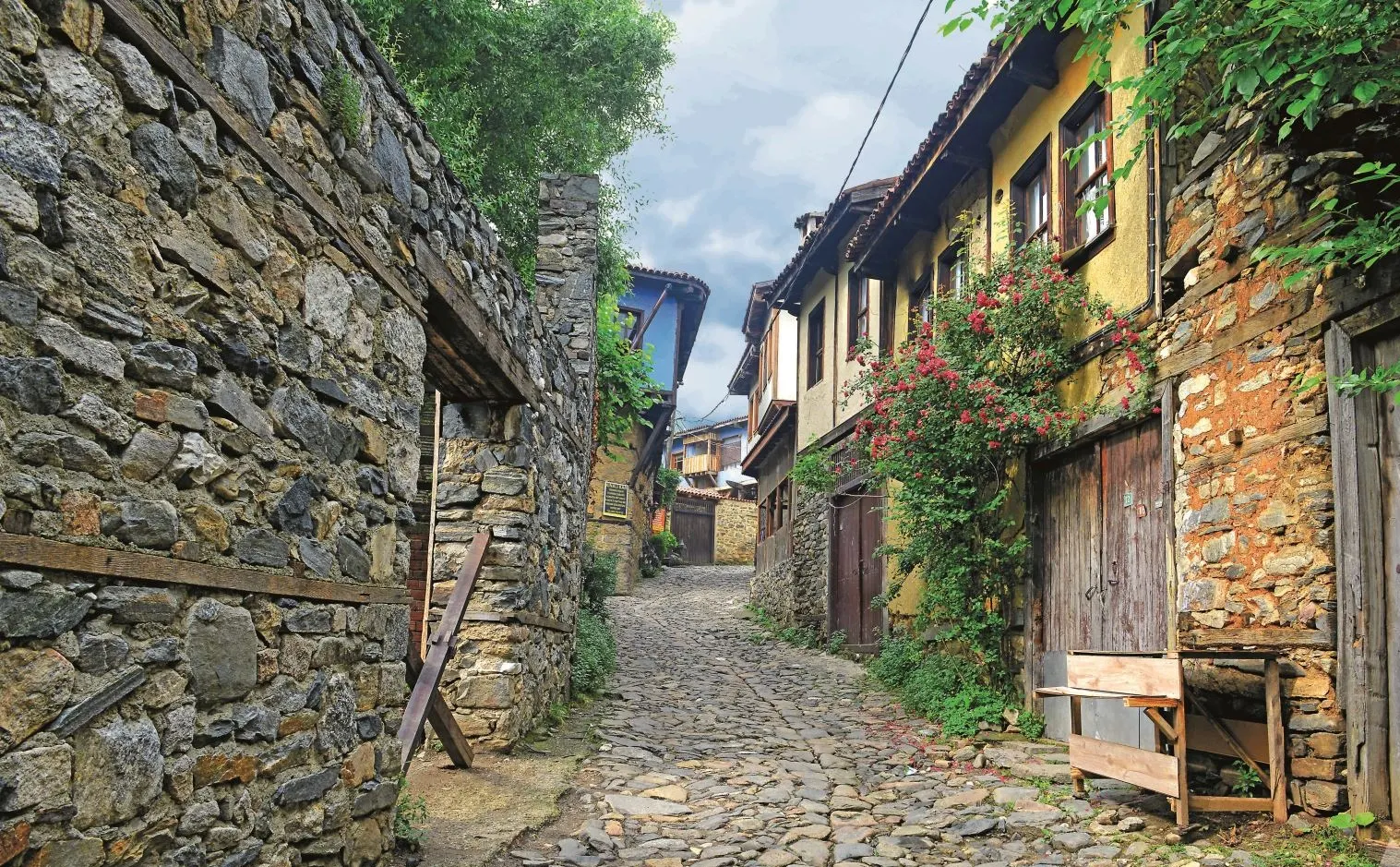
Museums & History
☆No ratings yet(0 reviews)↓
🛡️ Radar (0)↓
Cumalıkızık is a remarkable village on the slopes of Mount Uludağ, near Bursa, where the early Ottoman past remains visible in narrow cobbled streets, traditional timber-framed houses and a living rural community. Developed in the early 14th century as part of the endowment village system that supported the Ottoman capital, it is one of the best-preserved examples of early Ottoman rural settlement. Its colourful façades, projecting upper floors and distinctive street layout reveal a way of life shaped over centuries. Inscribed on the UNESCO World Heritage List in 2014 as part of “Bursa and Cumalıkızık: The Birth of the Ottoman Empire,” the village offers visitors a chance to explore traditional architecture and local history at a slower pace. The Cumalıkızık Village Museum provides further insight into the customs and everyday life of the community.
📍 Cumalıkızık Köyü, Cumalıkızık, 16370 Yıldırım/Bursa
View on map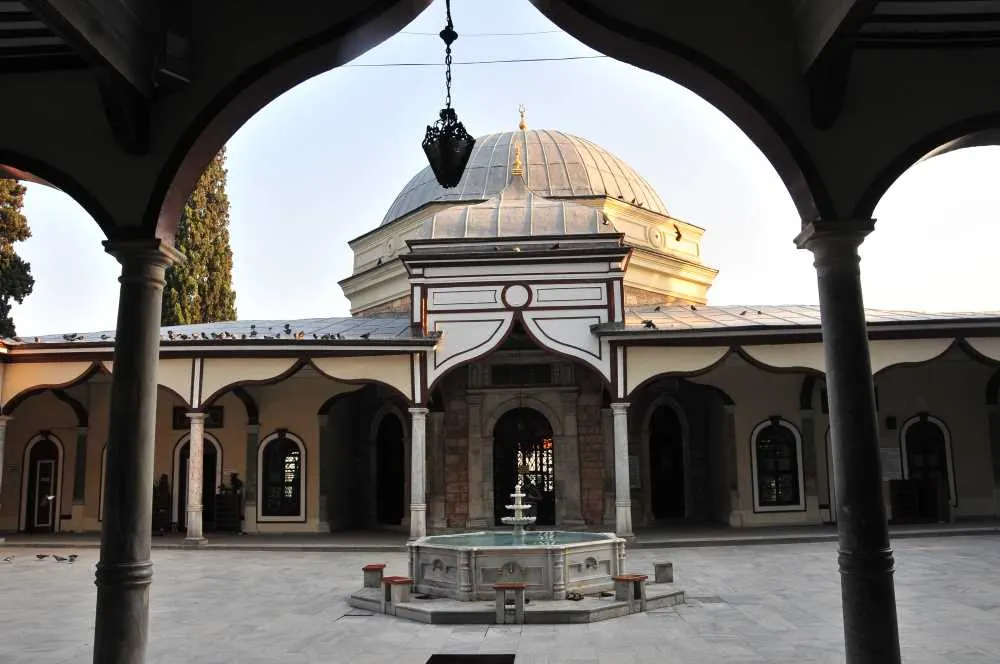
Museums & History
☆No ratings yet(0 reviews)↓
🛡️ Radar (0)↓
Emir Sultan Mosque and Complex is one of the most significant spiritual landmarks in Bursa, Türkiye. Dedicated to Emir Sultan, a respected Sufi scholar and religious figure believed to have descended from the Prophet Muhammad, the complex holds a special place in the city's religious and cultural life.
The mosque was commissioned by his wife, Hundi Fatma Hatun, in the 15th century. Set on the slopes of Bursa's historic eastern districts, the complex is known for its elegant Ottoman architecture, peaceful courtyard and the tomb of Emir Sultan, which attracts visitors and pilgrims throughout the year.
For many local people, Emir Sultan is regarded as a spiritual protector of Bursa. The site offers visitors an opportunity to discover the city's Ottoman heritage while experiencing a place of prayer, reflection and devotion.
When visiting, take time to appreciate the courtyard and architectural details, dress respectfully and remember that this remains an active place of worship.
📍 Emir Sultan Mahallesi, Doyuran Caddesi, Yıldırım, Bursa, Türkiye
View on map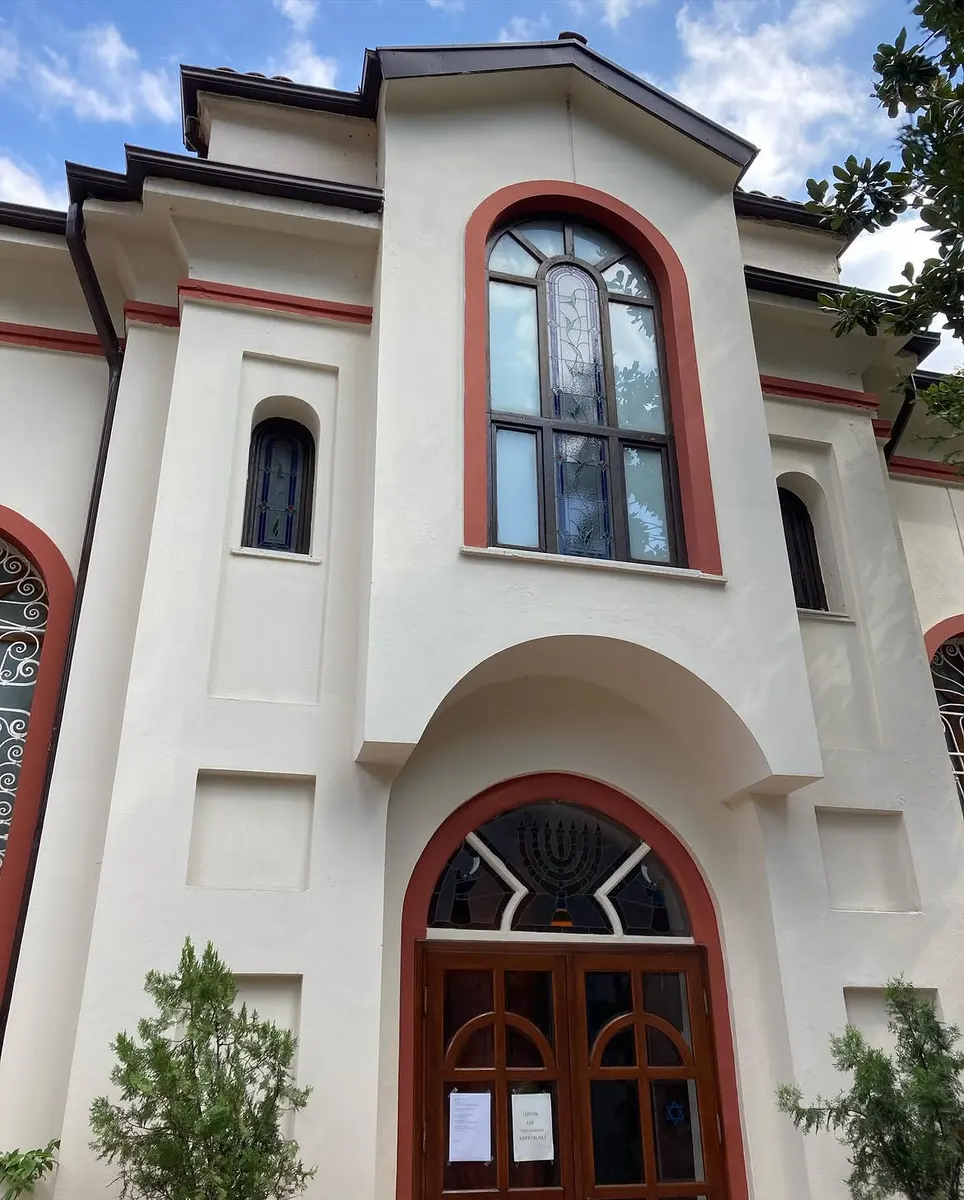
Museums & History
☆No ratings yet(0 reviews)↓
🛡️ Radar (0)↓
Located in the historic Arap Şükrü Street area of Osmangazi, Bursa, Gerush Synagogue is an important landmark of the city’s centuries-old Jewish heritage. Built in the early 16th century during the Ottoman period, the synagogue is associated with the settlement of Sephardic Jews who came to Ottoman lands after being expelled from Spain. The Hebrew word “Gerush” means expulsion or exile, reflecting the difficult history behind the community’s journey. The building is notable for its rectangular prayer hall, stone construction and traditional synagogue layout. For visitors interested in Bursa’s multicultural past, it offers a meaningful connection to the lives, faith and traditions of a community that became part of the city’s history. Its significance lies not only in its architecture but also in the story of people who rebuilt their lives far from their former homeland. As the synagogue is an active place of worship, visitors should confirm access arrangements in advance and respect religious services and community privacy.
📍 Bursa Geruş Sinagogu, Kuruçeşme, 16050 Osmangazi̇/Bursa
View on map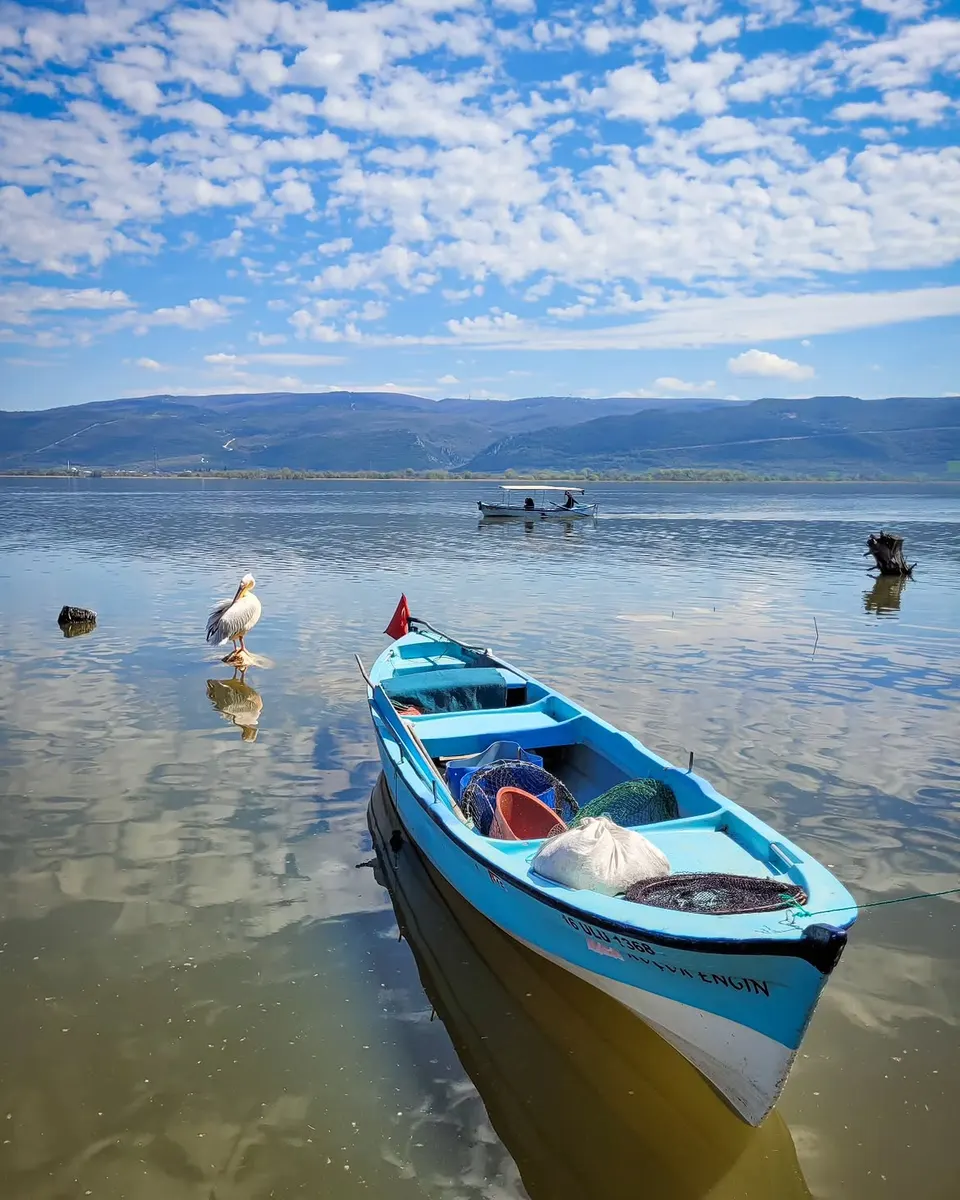
Hidden Gems
☆No ratings yet(0 reviews)↓
🛡️ Radar (0)↓
Extending into the waters of Lake Uluabat, Gölyazı is a historic lakeside settlement connected to the mainland by a narrow causeway. Known for its fishing traditions and old village character, it offers a distinctive landscape of waterside houses, quiet lanes, small boats and changing reflections across the lake.
The best way to explore Gölyazı is on foot, without rushing. Wander through its narrow streets, follow the shoreline and watch the fishing boats move across the water. Old buildings, lakeside views and the soft light reflected from the lake create plenty of natural photo opportunities. Depending on the season and water level, the shoreline can look remarkably different from one visit to the next.
Gölyazı is more than a scenic stop: its appeal lies in the everyday life shaped by the lake. Visit toward sunset to see the water change colour, while respecting local residents, working fishermen and the quiet rhythm of village life.
📍 Gölyazı, 16110 Ni̇lüfer/Bursa
View on map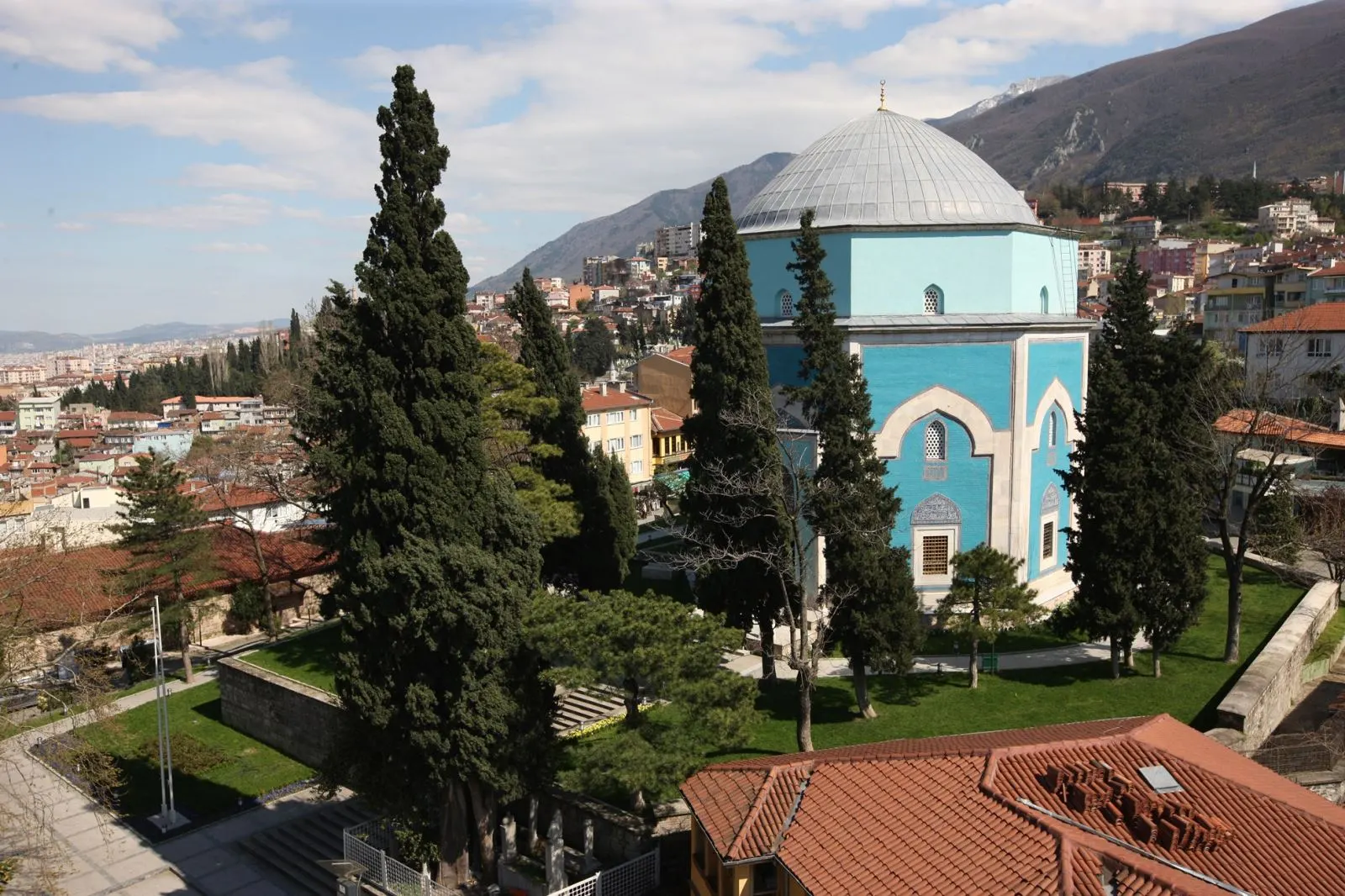
Museums & History
☆No ratings yet(0 reviews)↓
🛡️ Radar (0)↓
The Green Mosque and Green Tomb are among Bursa's most remarkable monuments of early Ottoman architecture and art. Located in the historic Yeşil district, both buildings date from the reign of Sultan Mehmed I in the early 15th century, a period when the Ottoman state was rebuilding after the political turmoil known as the Interregnum.
The Green Mosque is admired for its architectural details, decorative craftsmanship and richly ornamented interior. Nearby, the Green Tomb stands out for its distinctive exterior tiles in shades of green and turquoise. It is the mausoleum of Sultan Mehmed I, an important ruler in the restoration of Ottoman unity.
Take time to appreciate the intricate tile patterns, geometric designs and craftsmanship that distinguish these monuments. Together, the Green Mosque and Green Tomb offer visitors a meaningful introduction to Bursa's Ottoman heritage and the artistic traditions that flourished in the early centuries of the empire.
📍 Yeşil Mahallesi, Osmangazi, Bursa, Türkiye
View on map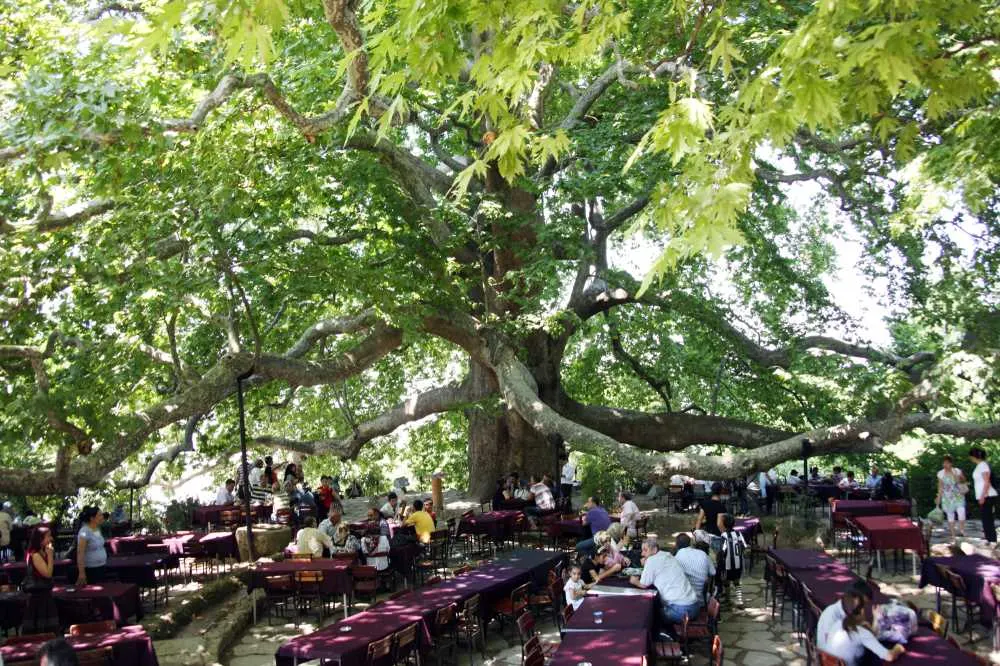
Museums & History
☆No ratings yet(0 reviews)↓
🛡️ Radar (0)↓
Historical İnkaya Plane Tree, located in the İnkaya neighbourhood along the Uludağ road in Bursa, is one of the region’s most remarkable natural landmarks. More than 600 years old, this magnificent oriental plane tree has a trunk approximately 3 metres in diameter, a circumference of around 10 metres, a height of 37 metres and 13 enormous main branches. Believed to have witnessed the early centuries of the Ottoman era, the tree is treasured not only for its extraordinary size but also for its enduring connection to Bursa’s history. Standing beneath its vast canopy offers a rare opportunity to appreciate the passage of time through a living monument. It makes a memorable stop for travellers heading towards Mount Uludağ and anyone wishing to discover Bursa’s natural and cultural heritage.
📍 İnkaya Mahallesi, Uludağ Caddesi No: 163, Osmangazi, Bursa, Türkiye
View on map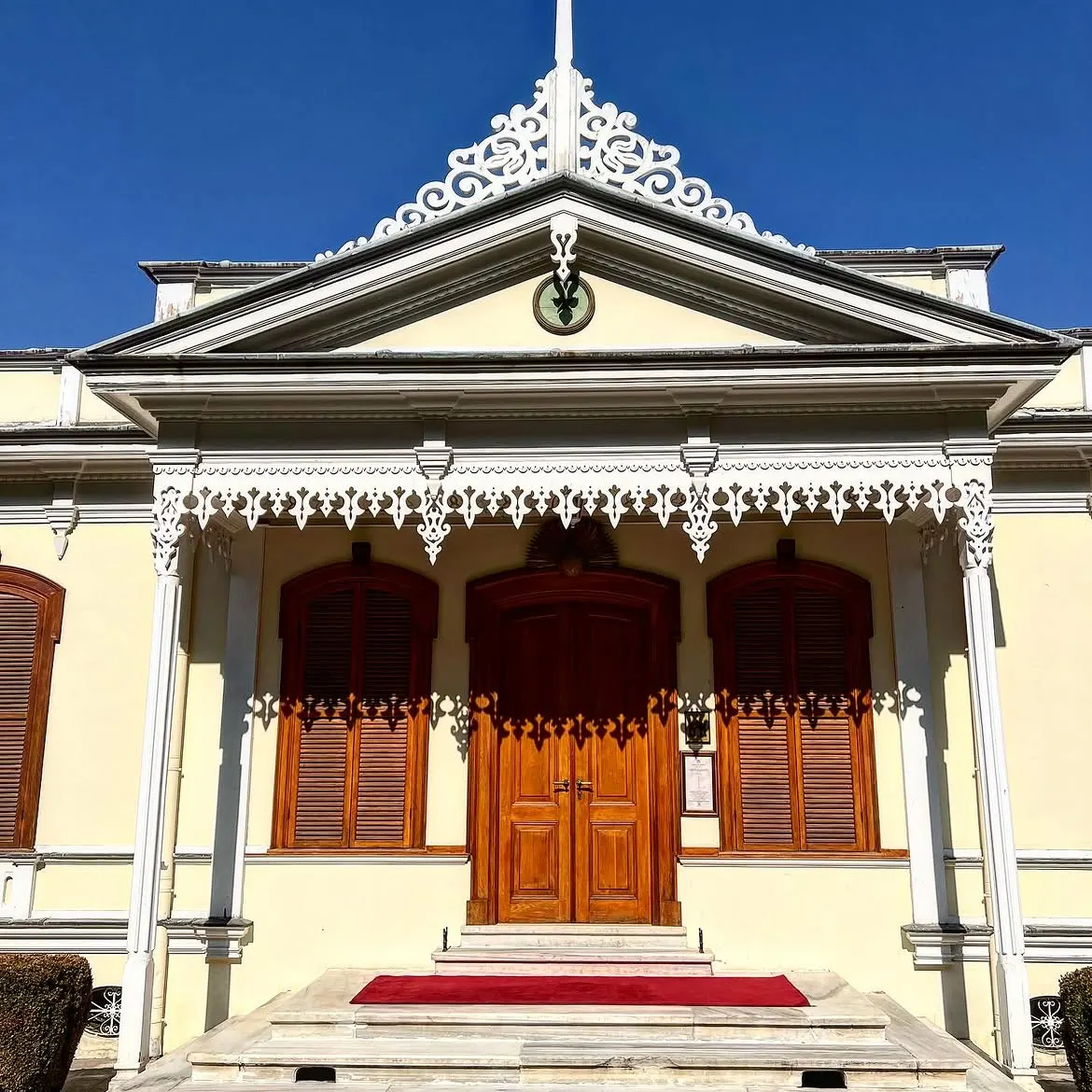
Museums & History
☆No ratings yet(0 reviews)↓
🛡️ Radar (0)↓
Perched on the slopes of Mount Uludağ in Bursa’s Temenyeri area, Hunkar Mansion Museum is a historic residence where architecture, royal history and sweeping city views come together. Built in 1844 as a hunting lodge for Sultan Abdülmecid’s visit to Bursa, the mansion was commissioned by the provincial governor, Salih Pasha, and completed in just 19 days. Its architecture reflects the French Empire style, while its interiors preserve glimpses of Ottoman court life. The mansion also hosted Sultan Abdülaziz and Sultan Mehmed V Reşad, as well as Mustafa Kemal Atatürk during his visits to Bursa in 1922, 1925, 1931 and 1935. Today, visitors can explore historic reception rooms, period furnishings, porcelain collections and rooms associated with Atatürk. Outside, mature trees and panoramic views across Bursa provide a peaceful setting in which to appreciate the mansion’s remarkable location. More than a historic building, Hunkar Mansion offers a glimpse into the people and events that shaped the city’s past.
📍 Mollaarap Mahallesi, Köşk Caddesi No: 2, Yıldırım, Bursa, Türkiye
View on map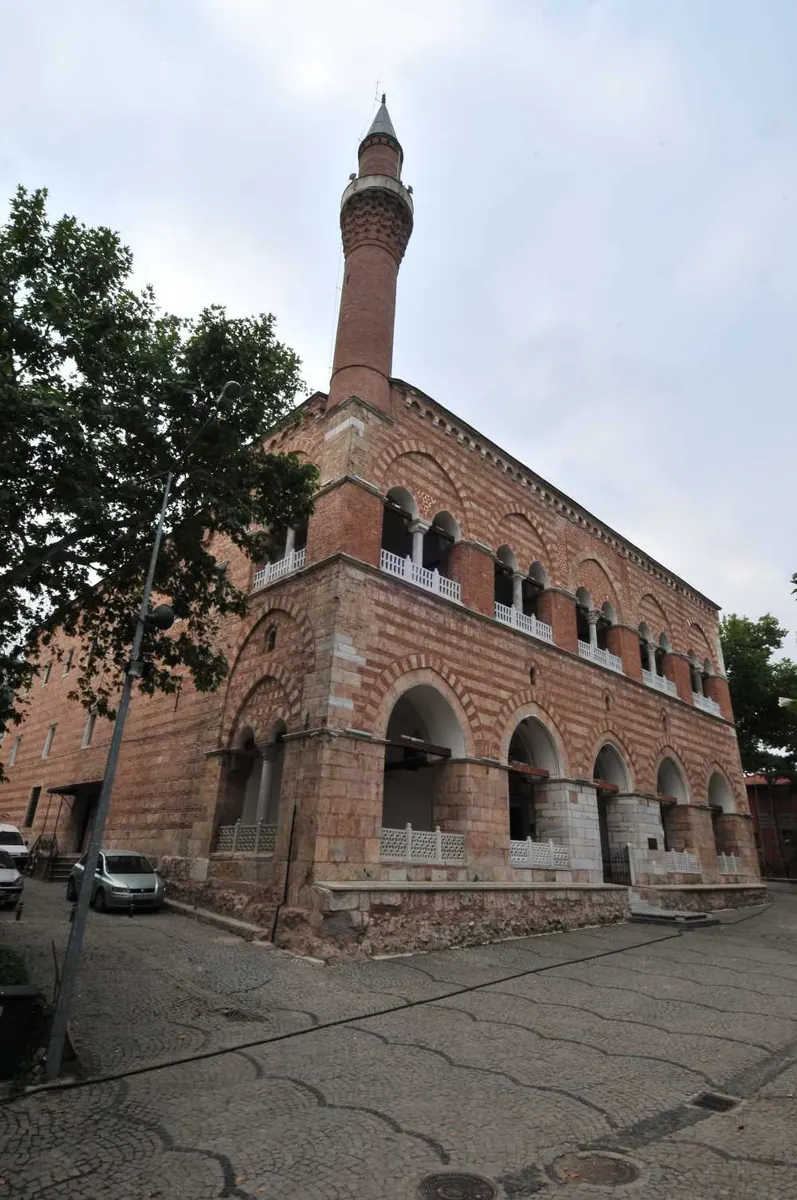
Museums & History
☆No ratings yet(0 reviews)↓
🛡️ Radar (0)↓
I. Murad Hüdavendigar Mosque is a historic Ottoman monument in the Çekirge district of Bursa, Türkiye. Built during the reign of Sultan Murad I in the 14th century, it is notable for its unusual two-storey design, combining a mosque on the lower floor with a madrasa (Islamic school) above.
The building reflects the architectural character of the early Ottoman period, with its traditional stone and brick construction and distinctive arches. It stands within the historic Hüdavendigar complex, near the tomb of Sultan Murad I, who played an important role in the expansion of the early Ottoman state.
For travellers interested in Ottoman history and religious architecture, the mosque offers a valuable glimpse into Bursa's past. Visitors should dress respectfully and avoid disturbing people during prayers.
📍 Çekirge Mahallesi, I. Murad Caddesi, Osmangazi, Bursa, Türkiye Adresi kopyala
View on map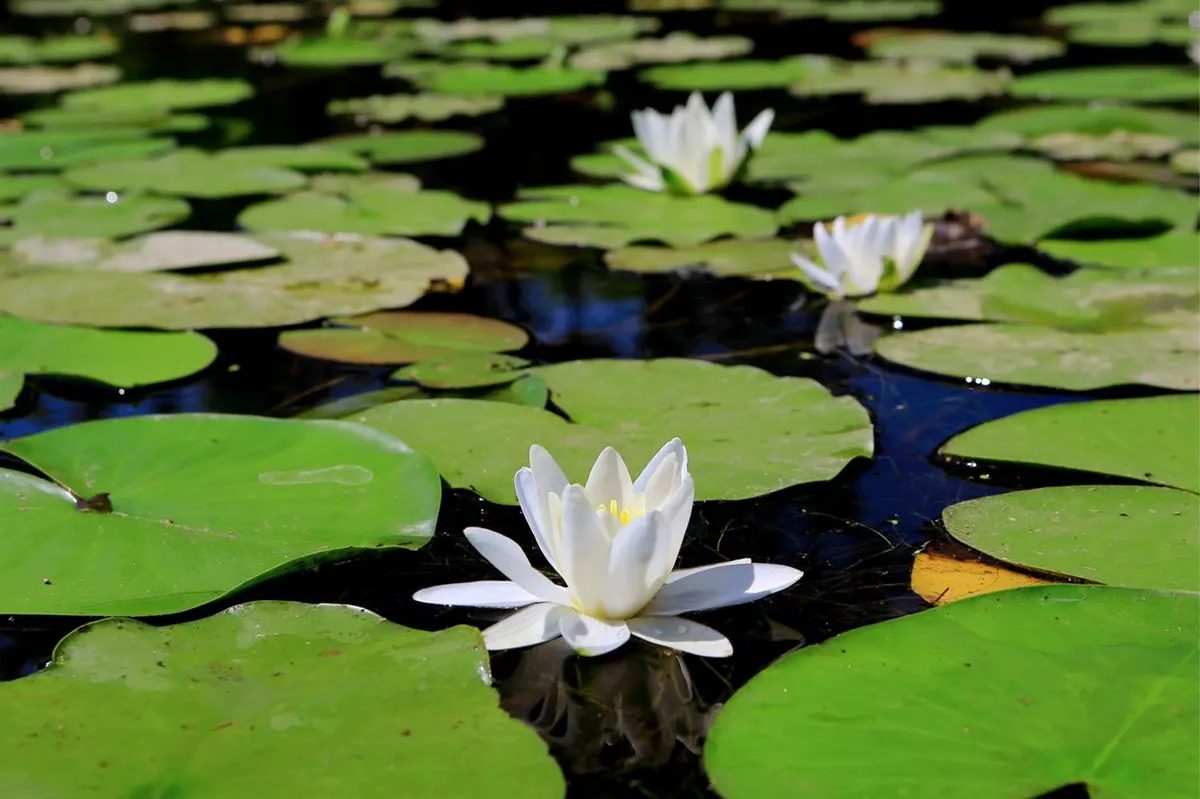
Museums & History
☆No ratings yet(0 reviews)↓
🛡️ Radar (0)↓
Located in the Kocaçay Delta, near the point where the Susurluk River meets the Sea of Marmara in Bursa’s Karacabey district, the Karacabey Floodplain Forests are a remarkable wetland ecosystem where water and woodland intertwine. Seasonal rainfall, particularly in winter and spring, floods parts of the forest floor, creating a changing landscape of shallow lakes, reed beds and waterways. Ash, alder and willow trees grow alongside wetlands where water lilies bloom and aquatic wildlife finds shelter. The delta is an important habitat for numerous bird species, including black storks, herons, pelicans and other waterbirds, making it a rewarding destination for birdwatching, nature photography and quiet exploration. The scenery changes throughout the year, with spring often bringing striking views of water spreading beneath the trees. Visitors should stay on designated routes, avoid disturbing wildlife and leave the delicate ecosystem undisturbed. For travellers seeking a different side of Bursa beyond its historic mosques and Ottoman architecture, Karacabey offers an opportunity to experience the region’s rich natural heritage.
📍 Bayramdere, Karacabey Yolu, 16710 Karacabey/Bursa
View on map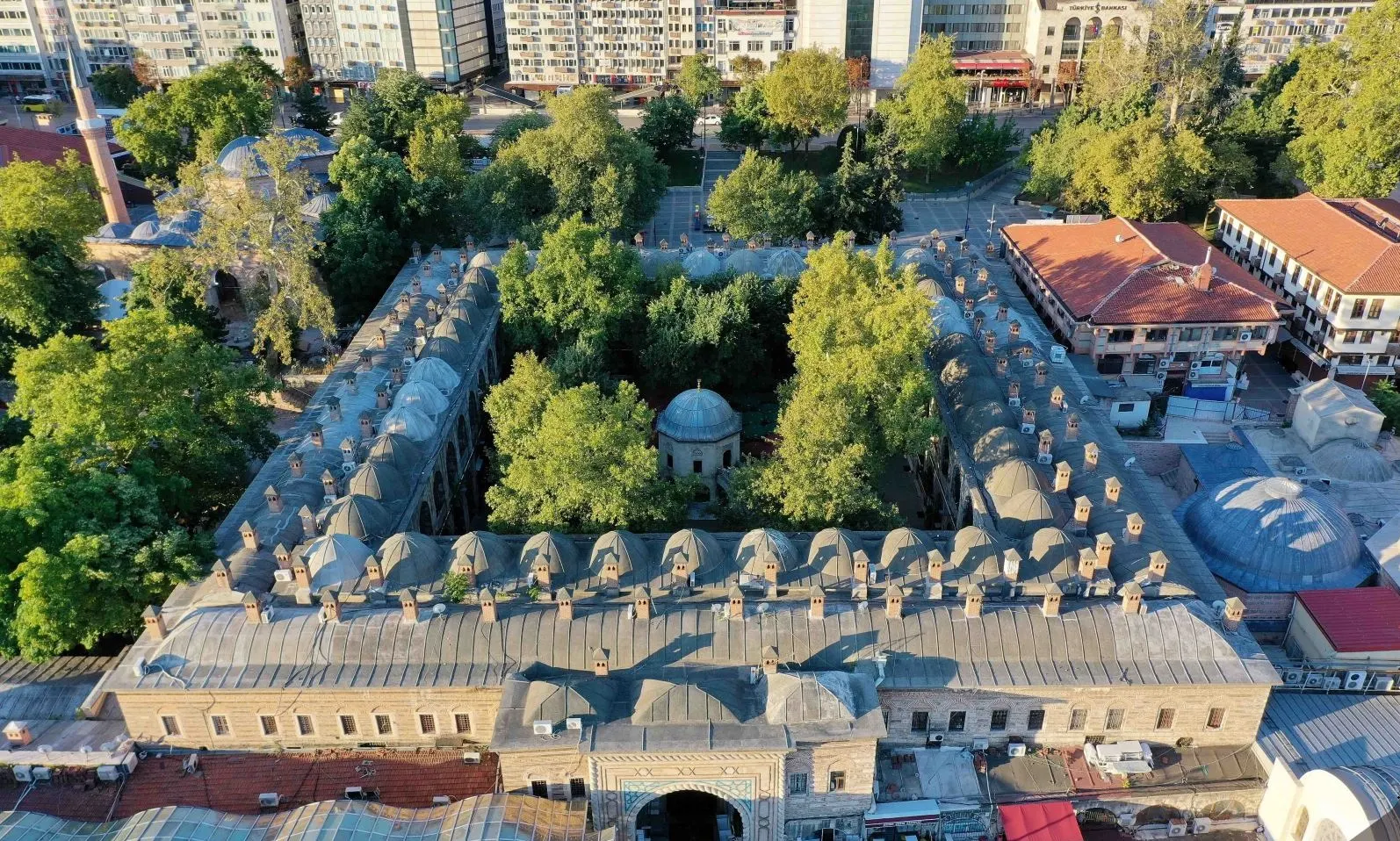
Museums & History
☆No ratings yet(0 reviews)↓
🛡️ Radar (0)↓
Set among Bursa’s historic bazaars, Koza Han was commissioned by Sultan Bayezid II in 1491 to generate income for his mosque and madrasa in Istanbul. Located between the Grand Mosque and Orhan Gazi Mosque, it makes an easy stop while exploring the old city on foot. Its two storeys of arcaded galleries surround a courtyard, where a small domed prayer room stands above a fountain.
Long associated with Bursa’s silk trade, the han still houses shops selling silk scarves, shawls and fabrics. After browsing, step into the courtyard for tea or Turkish coffee. Much of Koza Han’s appeal lies in this everyday rhythm: centuries of trading history continue through the shops and conversations around you.
📍 Hanlar Bölgesi, Ulu Cami ile Orhan Gazi Camii arası, Osmangazi, Bursa, Türkiye.
Hidden Gems
☆No ratings yet(0 reviews)↓
🛡️ Radar (0)↓
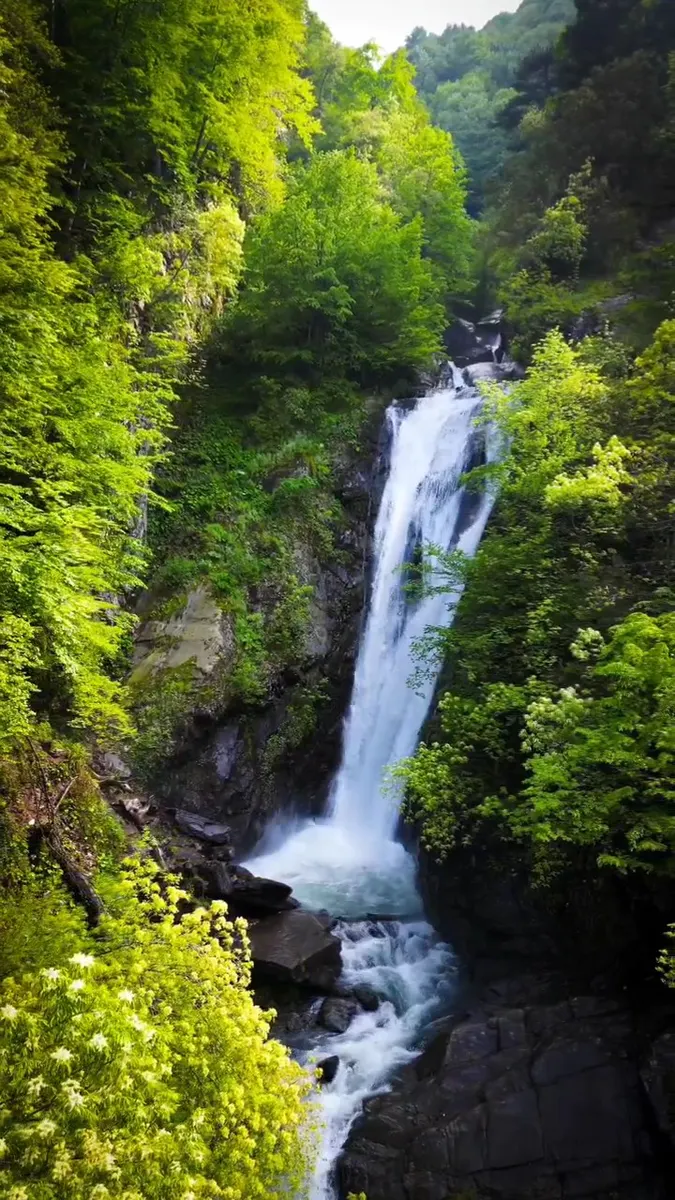
Beyond the busy streets of Bursa, on the forested slopes of Mount Uludağ, Küreklidere Waterfall offers a glimpse of the region’s wilder side. Located near Hamamlıkızık in Yıldırım district, above Bursa City Forest, this striking natural landmark descends through four stages, with a reported height of approximately 82 metres. It is one of the area’s memorable destinations for travellers seeking woodland scenery and time outdoors.
The waterfall lies along the Deliçay stream, where water moves down a series of rocky drops surrounded by forest. In spring, melting snow can bring renewed energy to the flow, filling the woodland with the sound of rushing water. As the seasons change, the surrounding trees shift through shades of green, gold, rust and brown, giving the landscape a different character throughout the year.
Reaching Küreklidere is part of the adventure. One approach begins near Bursa City Forest and continues along woodland trails, where some sections can be steep. Another route follows the road through the Saitabat village area towards Ören. Conditions and access may vary, so visitors should check the route before setting out and prepare for uneven terrain rather than expecting an easy, paved walk all the way to the waterfall.
For travellers who enjoy hiking, photography and quieter natural places, the area offers an opportunity to experience Bursa beyond its famous mosques, historic markets and traditional villages. The forest setting is particularly rewarding for those willing to slow down, listen to the water and notice the changing colours of the landscape.
Care is essential around the waterfall. Rocks and paths may become slippery, and visitors should avoid unsafe edges, follow suitable trails and take all litter back with them. Checking current access and weather conditions before travelling is also advisable.
Küreklidere Waterfall reveals a different side of Bursa: one shaped not by monuments or city streets, but by flowing water, rugged rock and the changing rhythms of the forest. It is a reminder that discovering a destination sometimes means leaving the familiar route behind and listening to the landscape itself.
📍 Küreklidere Şelalesi, Hamamlıkızık, 16370 Yıldırım/Bursa
View on map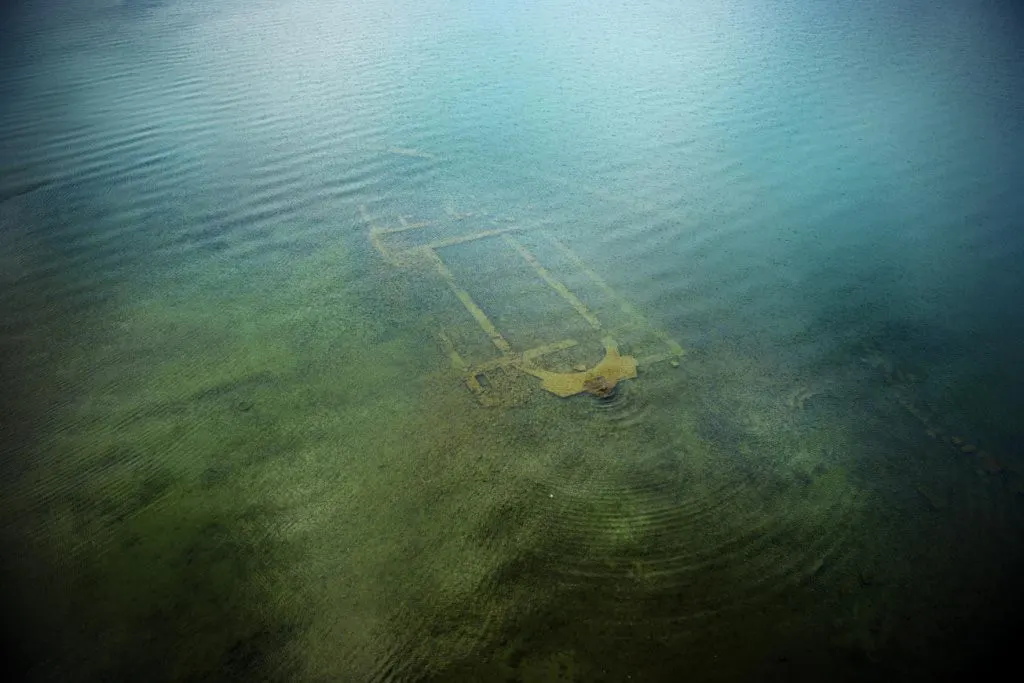
Museums & History
☆No ratings yet(0 reviews)↓
🛡️ Radar (0)↓
The Lake İznik Submerged Basilica is an important early Christian archaeological site beneath the waters of Lake İznik, near the historic town of İznik in Bursa, Türkiye. The remains were brought to wider attention in 2014 during aerial photography surveys and are believed to belong to a basilica built around the 4th or 5th century AD.
The surviving foundations reveal the layout of an early Christian church, offering valuable clues about the religious history of ancient Nicaea, the city's name in antiquity. The site has attracted international archaeological interest because of its unusual underwater setting and its importance for understanding early Christian architecture.
Today, visitors can explore the archaeological site's visitor facilities, including a museum and a walkway overlooking the lake. The site offers a different perspective on İznik, a town known for its Roman, Byzantine and Ottoman heritage.
If you are interested in archaeology, early Christianity or lesser-known historical places in Türkiye, the Lake İznik Submerged Basilica is a worthwhile stop. Allow time to enjoy the lakeside landscape as well as the archaeological displays.
📍 Selçuk Mahallesi, Kutalmışoğlu Süleymanşah Caddesi No: 6, 16860 İznik/Bursa, Türkiye
View on map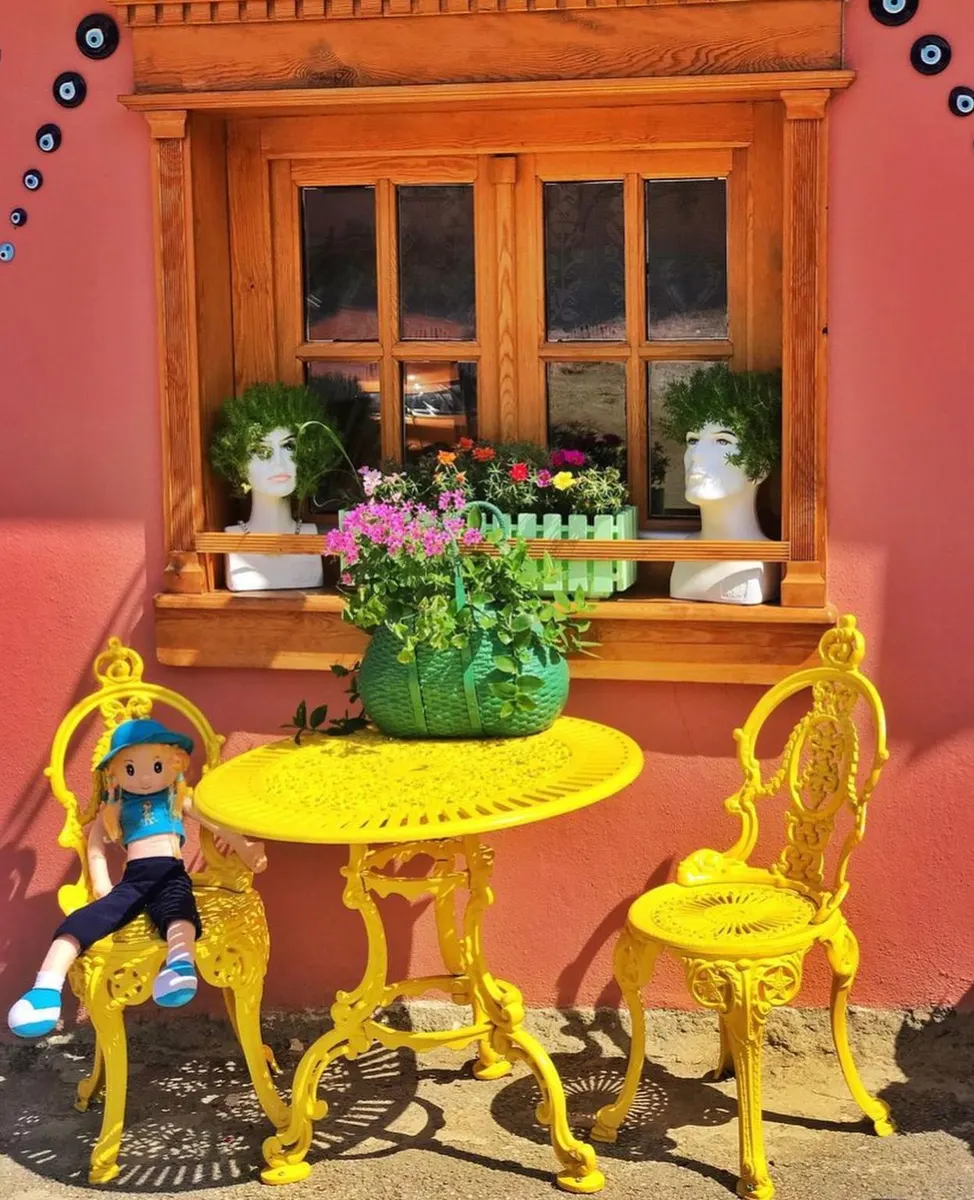
Hidden Gems
☆No ratings yet(0 reviews)↓
🛡️ Radar (0)↓
Set beside the Nilüfer Stream in Bursa’s Nilüfer district, Misi Village—now officially known as Gümüştepe—is a historic settlement celebrated for its traditional houses, winding lanes and relaxed riverside atmosphere. With a history often described as stretching back around two thousand years, it offers a quieter alternative to Bursa’s busy city centre.
For photography enthusiasts, Misi is a place to slow down and look closely. Traditional façades, wooden details, old stone walls, colourful doorways and narrow streets create countless opportunities for atmospheric photographs. Rather than focusing on a single landmark, visitors can capture the character of the village through its small details: sunlight falling across an old wall, flowers beside a doorway, reflections on the stream or the view along a quiet street. Soft morning light and the warmer tones later in the day can be especially appealing for photographing its historic character.
Misi also has several cultural attractions, including the Misi Ethnography House, Misi Children’s Library, Misi Silk House and Mysia Photography Museum. Opening arrangements may vary, so it is worth confirming access before visiting a particular venue. Along the stream, tea gardens and local eateries offer places to pause, enjoy the waterside setting and watch everyday village life unfold.
The village’s significance goes beyond its picturesque streets. Its history is associated with ancient Mysia, and the settlement was designated a conservation area in 1989 to help protect its traditional character. Architectural traces associated with Greek and Ottoman periods contribute to the layered identity of the neighbourhood, where history remains part of the everyday streetscape.
If you are looking for a photography stop and a slower-paced excursion in Bursa, Misi Village is well worth considering. Wander through the lanes without rushing, explore the riverside views and pay attention to details that might otherwise go unnoticed. Sometimes the most memorable photograph is not of a famous monument, but of an old doorway, sunlight on a weathered wall or a quiet moment beside the water.
📍 Gümüştepe Mahallesi, Nilüfer, Bursa, Türkiye Kopyala
View on map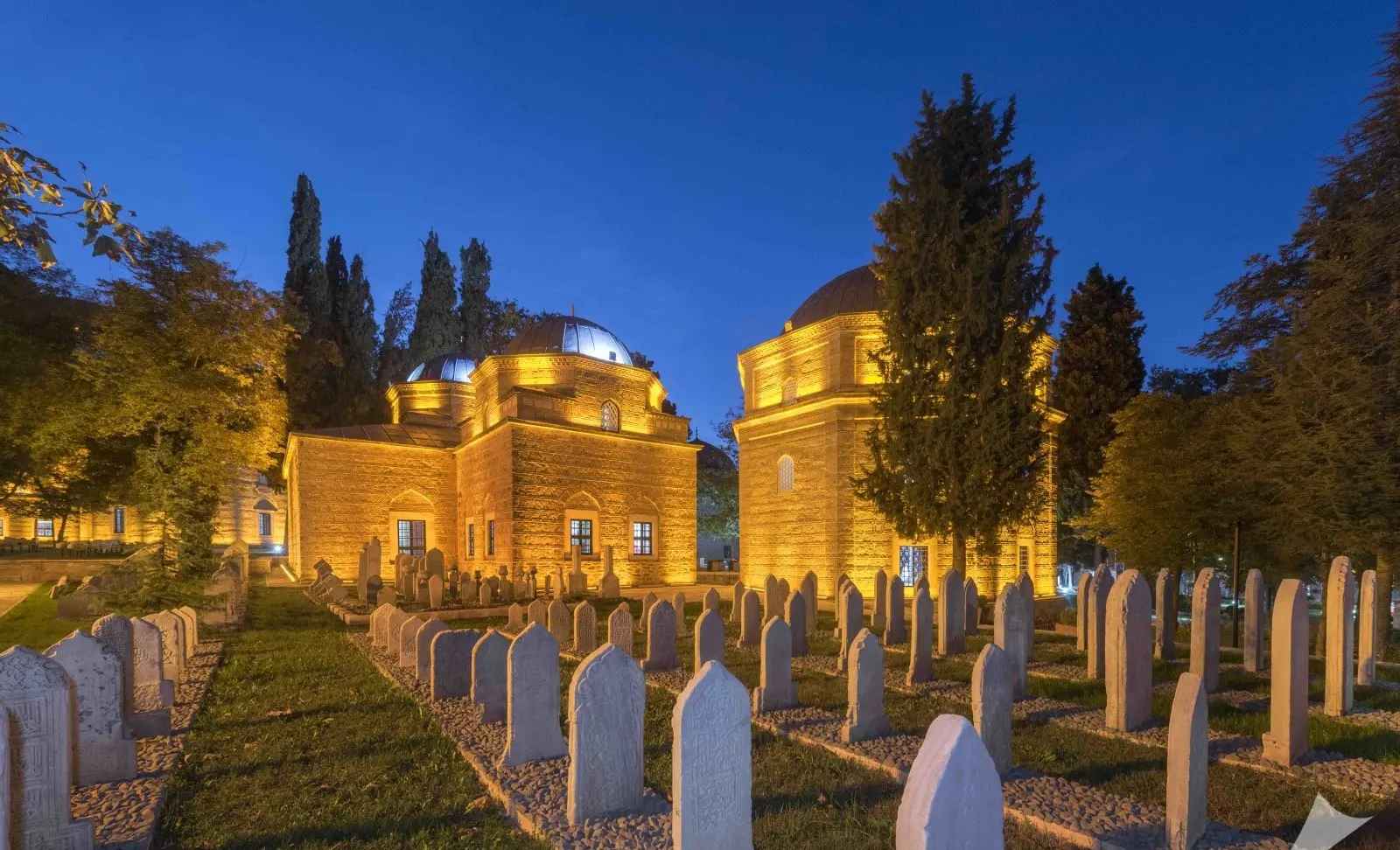
Museums & History
☆No ratings yet(0 reviews)↓
🛡️ Radar (0)↓
Located in Bursa’s Muradiye neighbourhood, the Muradiye Complex was commissioned by Sultan Murad II in 1425–1426. It was the last complex founded by an Ottoman sultan in Bursa. Its mosque, religious school, public kitchen and bathhouse brought worship, education and everyday services together. Royal tombs added over subsequent generations made it an important place for exploring Ottoman history.
The garden contains the tomb of Murad II alongside those of other Ottoman dynasty members. As you explore, look closely at the tile panels, painted decoration and carved wooden doors. The mosque’s dark blue and turquoise tiles are another memorable feature of the complex.
Muradiye forms part of the “Bursa and Cumalıkızık: the Birth of the Ottoman Empire” World Heritage Site, inscribed by UNESCO in 2014. Allow time to wander through the garden and visit the buildings slowly. Here, the history of a dynasty becomes more personal, told through the resting places and craftsmanship it left behind. Kültür Portalı
Museums & History
☆No ratings yet(0 reviews)↓
🛡️ Radar (0)↓
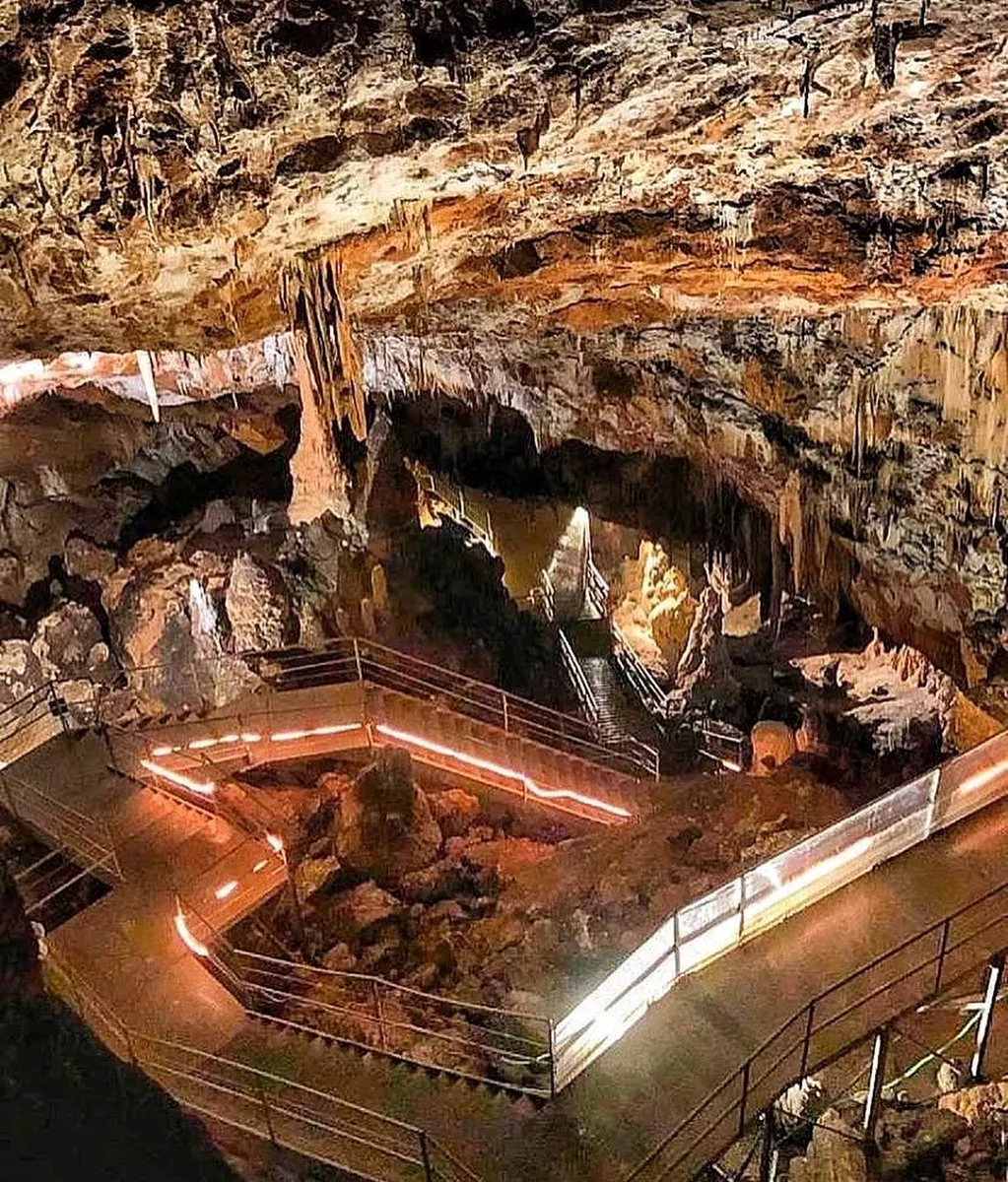
Nestled among lush forests and deep valleys in Bursa’s İnegöl district, Oylat brings together the underground wonders of a natural cave and the relaxing atmosphere of thermal springs. Oylat Cave is known for its winding passages, limestone pools, impressive stalactites and stalagmites, and large chambers shaped by natural processes over thousands of years. Exploring its rock formations offers a fascinating glimpse into the hidden landscape beneath the surface. Nearby, Oylat Thermal Springs provide a peaceful retreat surrounded by woodland, continuing a thermal bathing tradition associated with the area’s long history. Visitors can enjoy thermal facilities and accommodation, while those seeking more outdoor adventure can follow the forest trail towards Oylat Waterfall. With its cool cave passages, woodland scenery and thermal waters, Oylat offers a distinctive way to discover the natural side of Bursa beyond its historic towns and monuments.
📍 Oylat Mağarası, Hilmiye, oylat yolu, 16400 İnegöl/Bursa
View on map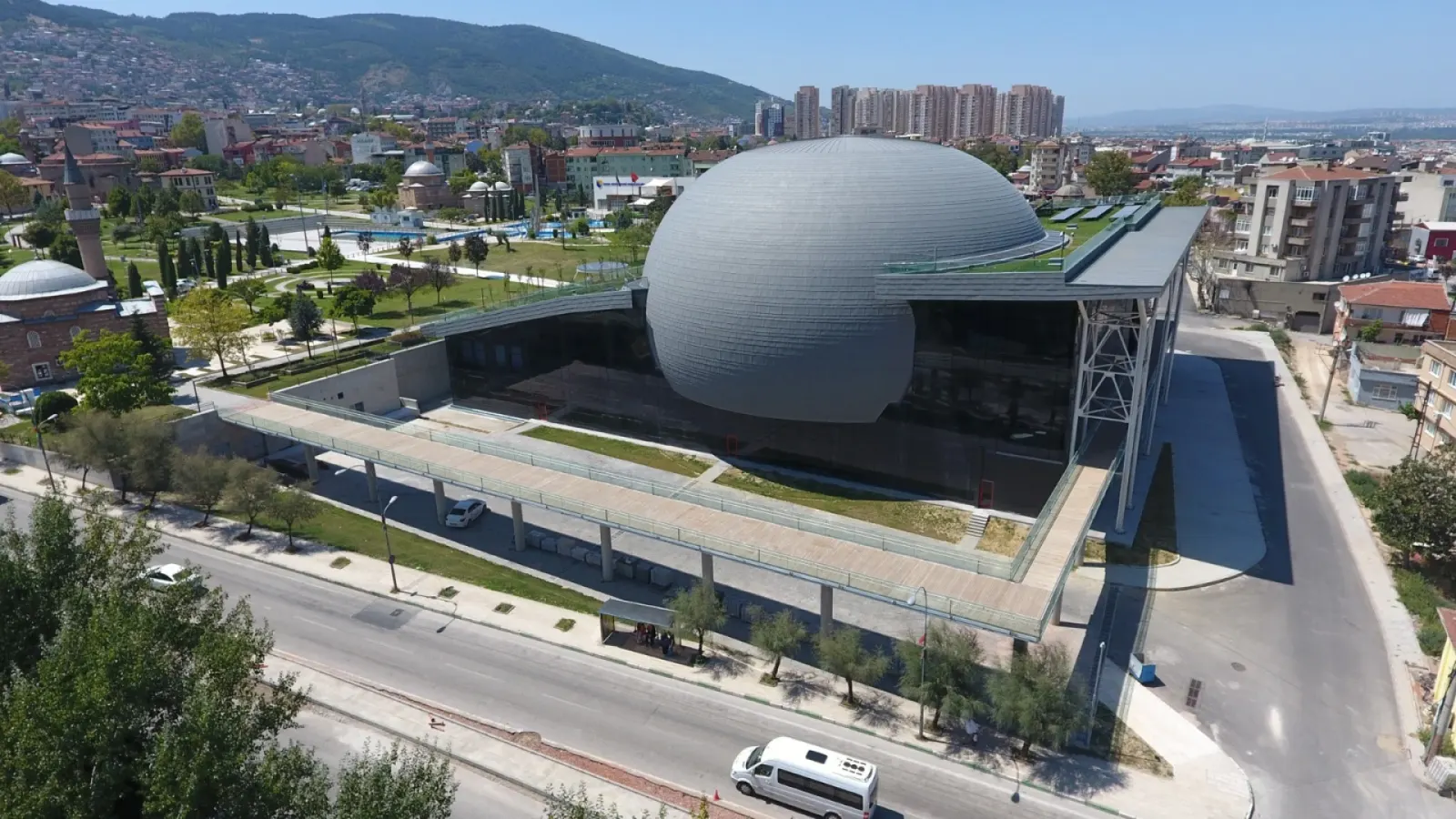
Museums & History
☆No ratings yet(0 reviews)↓
🛡️ Radar (0)↓
Panorama 1326 Bursa Conquest Museum explores the capture of Bursa by Orhan Gazi on 6 April 1326 and the early years of the Ottoman state. Its main attraction is a 360-degree panoramic painting covering the interior of a large dome. Three-dimensional objects in the foreground and ambient sounds add depth, placing visitors at the centre of an artistic reconstruction of the day.
Alongside soldiers, the panorama depicts townspeople, animals and scenes of everyday life. The museum presents the city’s surrender and the meeting of Byzantine and Ottoman communities through a theme of peace. A separate chronological exhibition introduces the people and events associated with the Ottoman state’s beginnings.
Visit the chronological exhibition before entering the panorama to give the scene more context. Once beneath the dome, take time to look around—from the distant city walls to the figures in the foreground. These details help bring Bursa’s past into view before you return to the modern city outside.
📍 Ebu İshak Mahallesi, 16230 Osmangazi, Bursa, Türkiye.
Museums & History
☆No ratings yet(0 reviews)↓
🛡️ Radar (0)↓
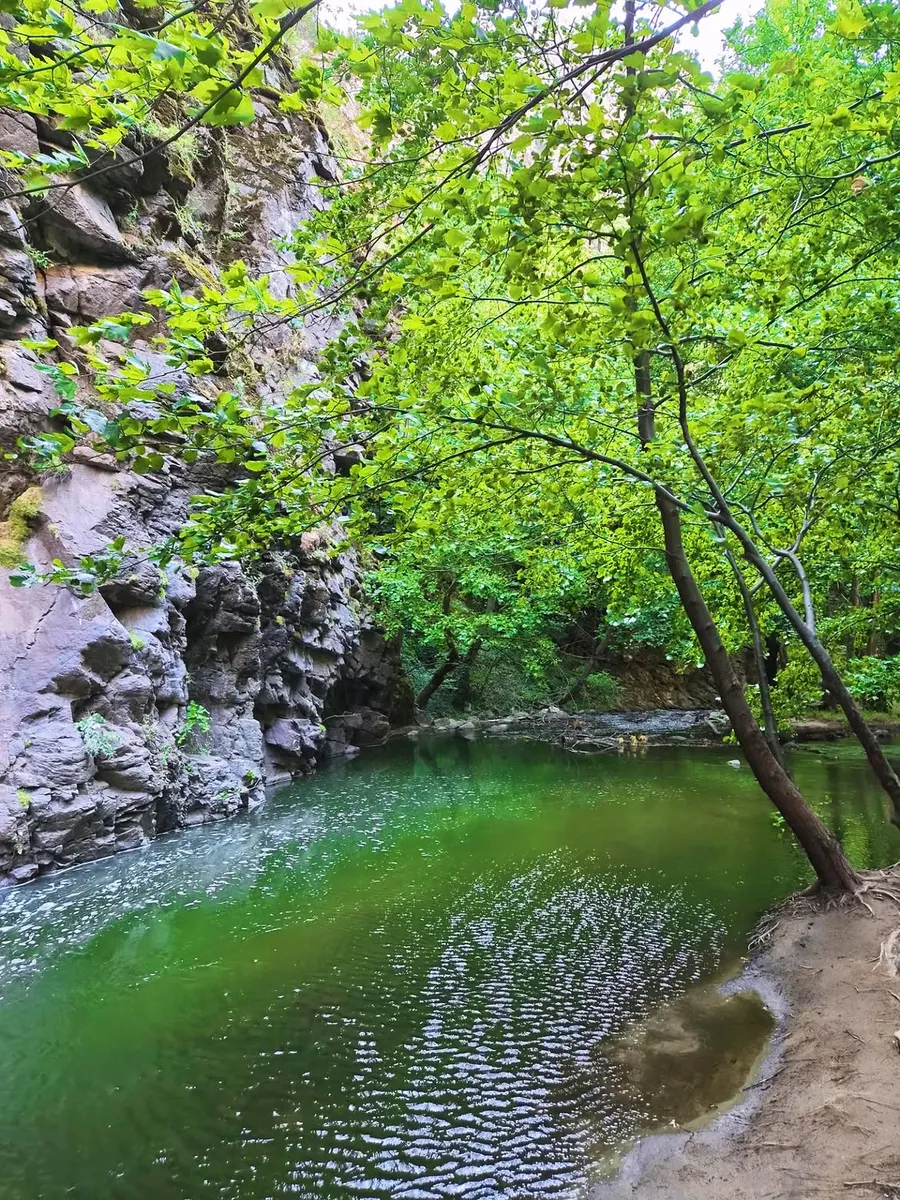
Sadagi Canyon is a striking natural area near Orhaneli in Bursa Province, northwestern Türkiye. Carved by flowing water over time, the canyon features steep rock walls, wooded slopes and a landscape that feels far removed from the busy streets of the city.
The area is a rewarding destination for travellers who enjoy nature walks, outdoor photography and exploring lesser-known corners of Türkiye. Along the route, the rugged rock formations contrast with the surrounding greenery, creating a peaceful setting for a day in the countryside.
Sadağı Canyon is also associated with the nearby Sadağı village and the wider rural landscape of Orhaneli. Its appeal lies in the combination of geological features, woodland scenery and the quiet atmosphere of Bursa's inland countryside.
Conditions can vary with the weather and season. Wear sturdy walking shoes, take drinking water and be cautious on uneven or slippery ground. Before setting out, confirm local access conditions, particularly after heavy rain. Avoid entering the canyon during storms or when flash flooding may be possible, and leave the natural surroundings undisturbed.
📍 Sadağı Kanyonu Tabiat Parkı, Sadağı Köyü İç Yolu, 16980 Orhaneli/Bursa, Türkiye
View on map
Museums & History
☆No ratings yet(0 reviews)↓
🛡️ Radar (0)↓
Hidden among the green hills of İznik in Bursa Province, Sansarak Canyon offers a wilder side of northwestern Türkiye, far from the busy streets and historic monuments of the town centre.
The canyon is known for its rocky terrain, flowing water and stretches of natural woodland. Walking through it means following an uneven route shaped by the landscape, with stones underfoot, shaded sections and the sound of running water accompanying the journey. The experience is less about a conventional sightseeing stop and more about spending time in nature.
Sansarak Canyon is best suited to visitors who enjoy hiking and outdoor exploration. Parts of the route can be slippery, especially after rain, so sturdy shoes with good grip are essential. Water levels and trail conditions can change with the season, and some sections may require crossing streams or navigating rocks.
Plan your visit carefully, carry drinking water and allow enough time to return before dark. Visitors should avoid entering the canyon during heavy rain or when flash flooding is possible, and should take all rubbish back with them to help protect this natural landscape.
📍 Sansarak Mahallesi, İznik, Bursa, Türkiye
View on map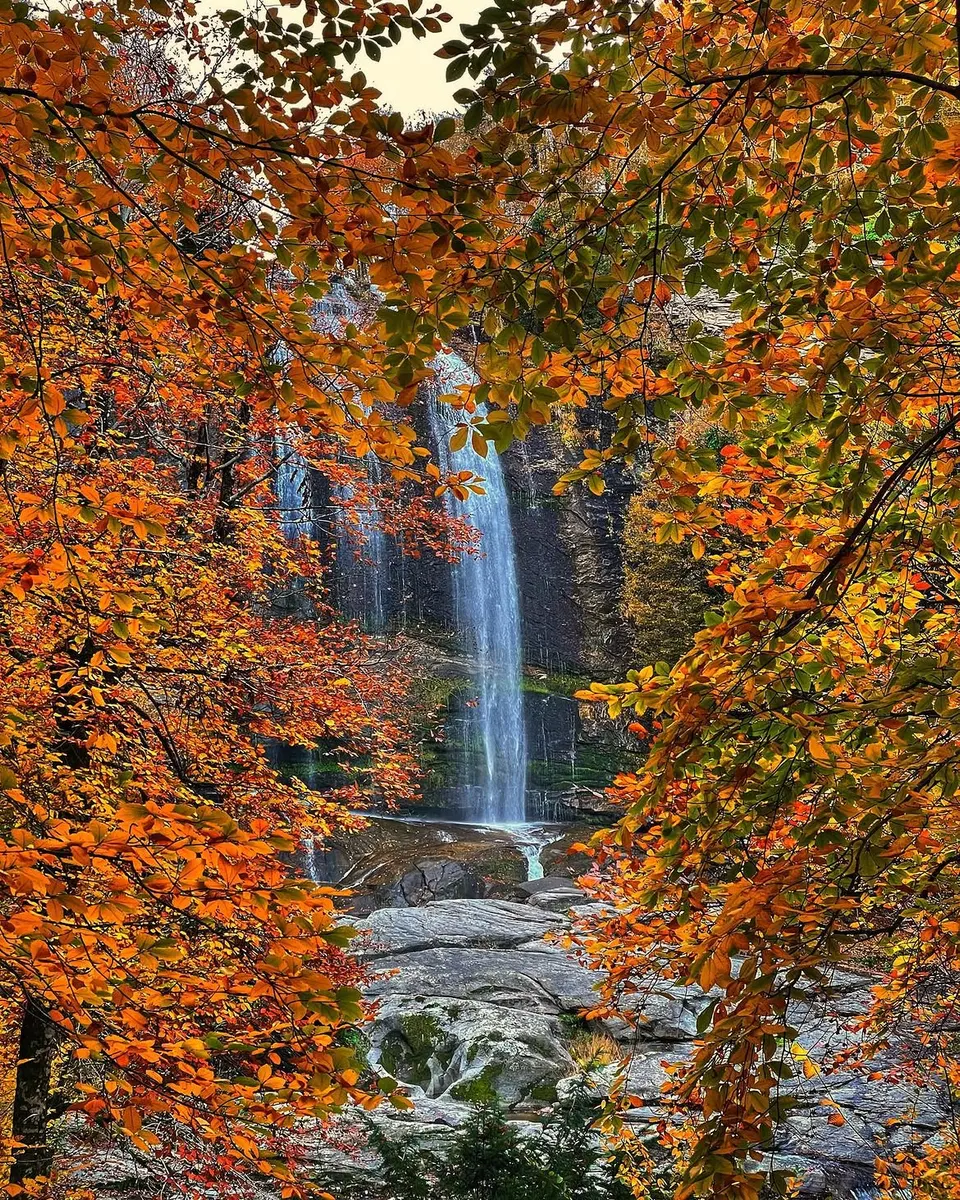
Museums & History
☆No ratings yet(0 reviews)↓
🛡️ Radar (0)↓
Surrounded by beech trees in the countryside of Mustafakemalpaşa, Suuçtu Waterfall is one of the natural highlights of Bursa Province in northwestern Türkiye. Located near Muradiyesarnıç, around 17 kilometres from the district centre, the waterfall drops approximately 38 metres over a rocky landscape.
The sound of falling water carries through the woodland, while the cool air and green surroundings make this a refreshing escape from the city. Water flow changes with the seasons: the waterfall and the pool below can look especially impressive after wetter periods, while the flow may decrease during summer.
The surrounding recreation area is popular for picnics, nature photography and spending time outdoors. It is a good stop for travellers exploring Bursa beyond its historic mosques, markets and urban attractions.
Wear comfortable shoes, take care on wet rocks and keep to safe paths near the water. If you plan a picnic, take your rubbish with you and help preserve the forest. Suuçtu is best enjoyed slowly, with time to listen to the water and explore the woodland surroundings.
📍 Muradiyesarnıç Mahallesi, Suuçtu Şelalesi, 16510 Mustafakemalpaşa/Bursa, Türkiye
Museums & History
☆No ratings yet(0 reviews)↓
🛡️ Radar (0)↓
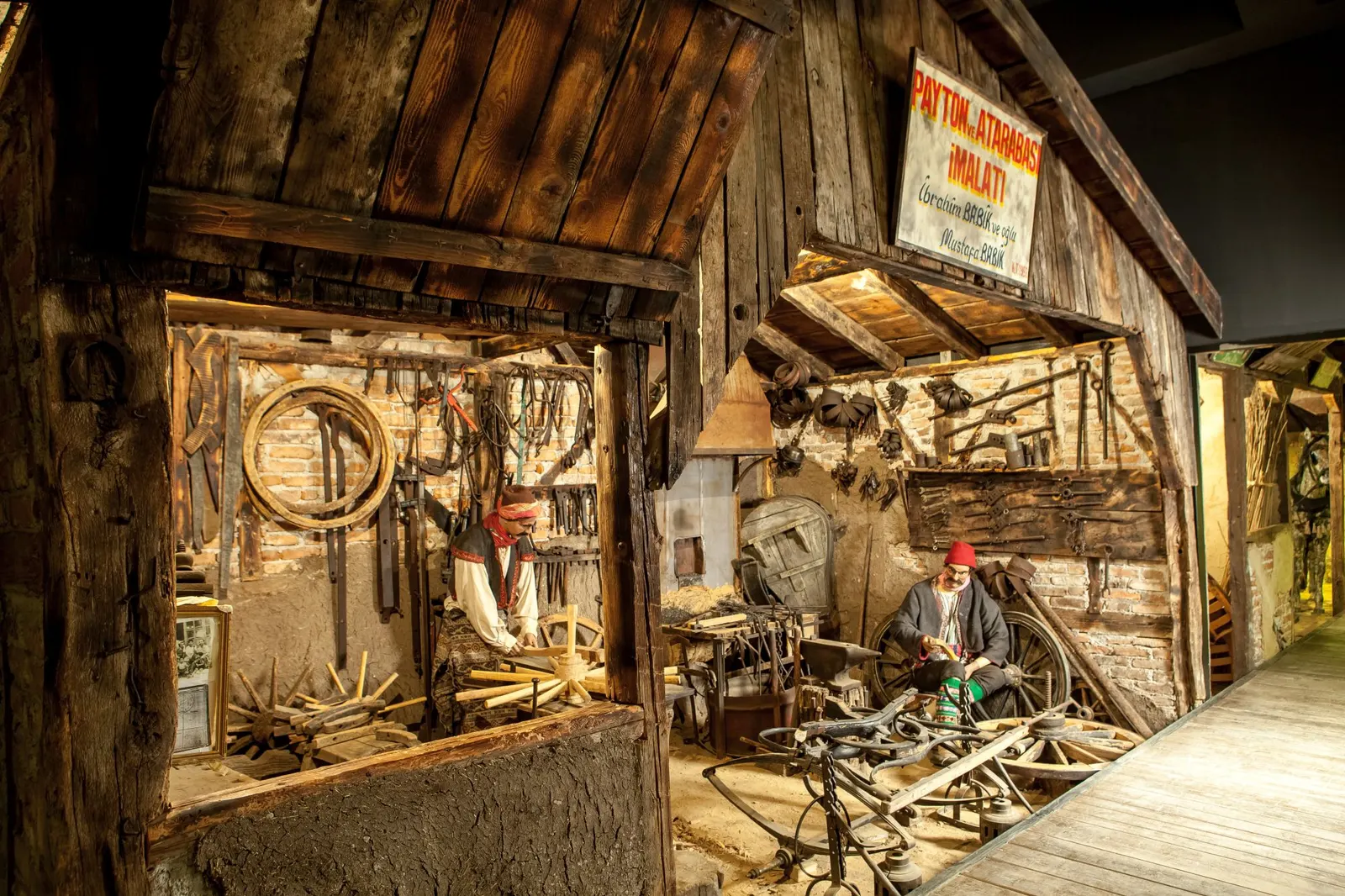
Located in the Umurbey neighbourhood of Bursa’s Yıldırım district, the Tofaş Museum of Cars and Anatolian Carriages takes visitors on a journey through thousands of years of transportation history. Created by restoring a former silk-weaving factory, the museum opened to visitors in 2002. Its story begins with wheel remains dating back approximately 2,600 years and continues through the evolution of traditional Anatolian carriages, Bursa’s historic carriage-making craft and the development of modern motor vehicles produced by Tofaş. Original-style workshops and historic vehicles reveal how craftsmanship, engineering and everyday life have evolved over the centuries. The museum complex also includes the Tofaş Art Gallery, housed in the historic Umurbey Hammam dating to 1430, as well as a leafy garden that offers a peaceful break from the city. More than a collection of cars, this museum offers a fascinating perspective on Anatolia’s technological, industrial and cultural heritage.
📍 Umurbey Mahallesi, Kapıcı Caddesi No: 9/1, Yıldırım, Bursa, Türkiye
View on map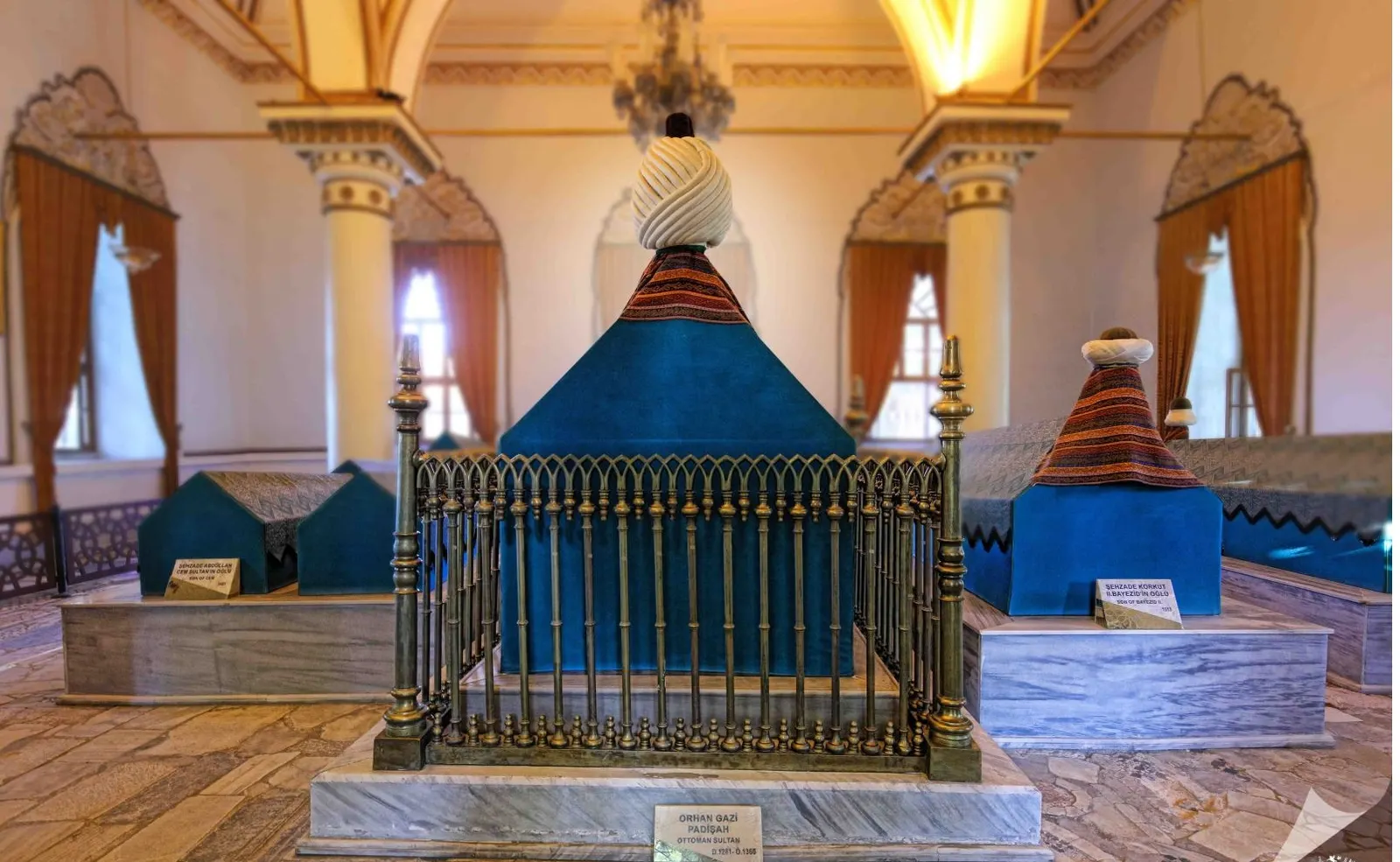
Museums & History
☆No ratings yet(0 reviews)↓
🛡️ Radar (0)↓
Standing in Tophane above Bursa’s historic centre, the tombs of Osman Gazi and Orhan Gazi hold the graves of the first two Ottoman rulers. Osman Gazi founded the Ottoman dynasty, while his son Orhan Gazi captured Bursa in 1326. They rest in two separate neighbouring buildings on the site of a former Byzantine monastery. The present tombs were rebuilt under Sultan Abdülaziz after the earthquake of 1855.
Osman Gazi’s tomb has an octagonal layout, while Orhan Gazi’s is square. Surviving Byzantine floor mosaics inside Orhan Gazi’s tomb offer a glimpse of the site’s earlier history. Visiting both buildings reveals several layers of Bursa’s past within a small area. Afterwards, take a short walk through Tophane Park and look out over the city—a fitting place to reflect on how closely Bursa’s story is tied to the beginnings of the Ottoman state.
📍 Tophane Parkı, Osmangazi, Bursa, Türkiye
View on map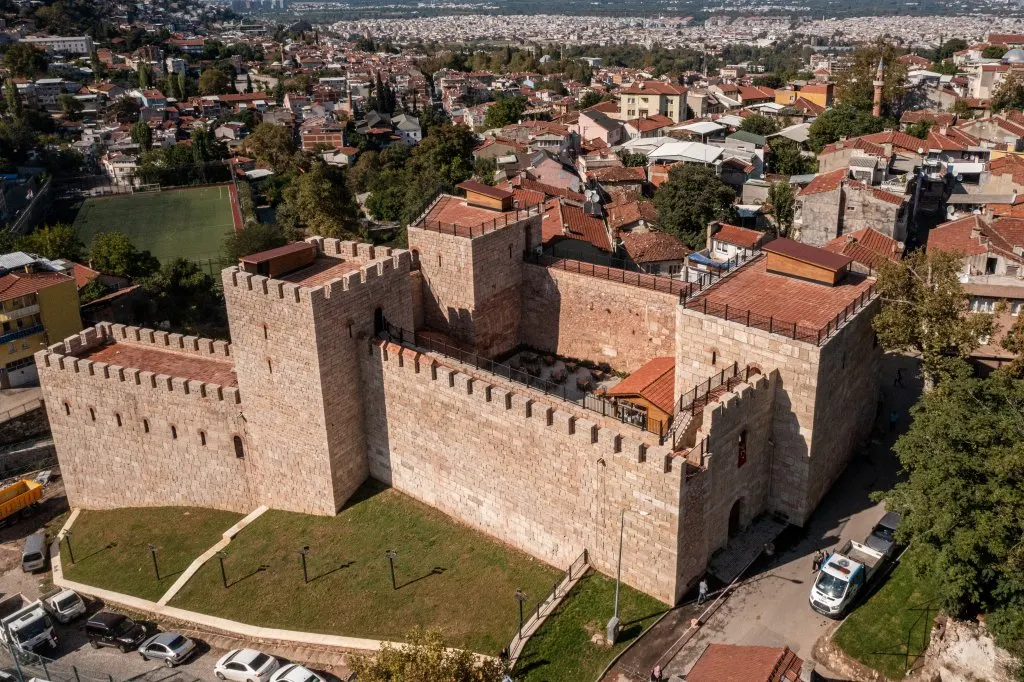
Museums & History
☆No ratings yet(0 reviews)↓
🛡️ Radar (0)↓
Located in Hisar, Bursa’s old fortified settlement, Zindankapı is one of the gates of the historic city walls. This section belongs to a defensive system with roots in the Bithynian period and traces of later Byzantine and Ottoman use. Its name means “Dungeon Gate,” referring to the underground cells beneath the gate and neighbouring walls. These spaces remained in use as a prison until the late nineteenth century. The towers, stone walls and connecting passages recall a time when Bursa was a walled city.
Reopened after restoration in 2021, Zindankapı now serves as a digital museum and contemporary art gallery. Exhibitions explore the history of Bursa’s walls, the city’s expansion and the restoration process. Animations, interactive maps and video projections inside a tower help explain the stone structures you see outside.
Start by examining the gate and surrounding walls, then explore the interior displays to understand their role in protecting the city. The transformation of these once enclosed spaces into a place for art gives the visit a memorable connection between past and present.
📍 Pınarbaşı Mahallesi, 1. Zindankapı Sokak, No:57, Osmangazi, Bursa, Türkiye.
View on map