Museums & History
☆No ratings yet(0 reviews)↓
🛡️ Radar (0)↓
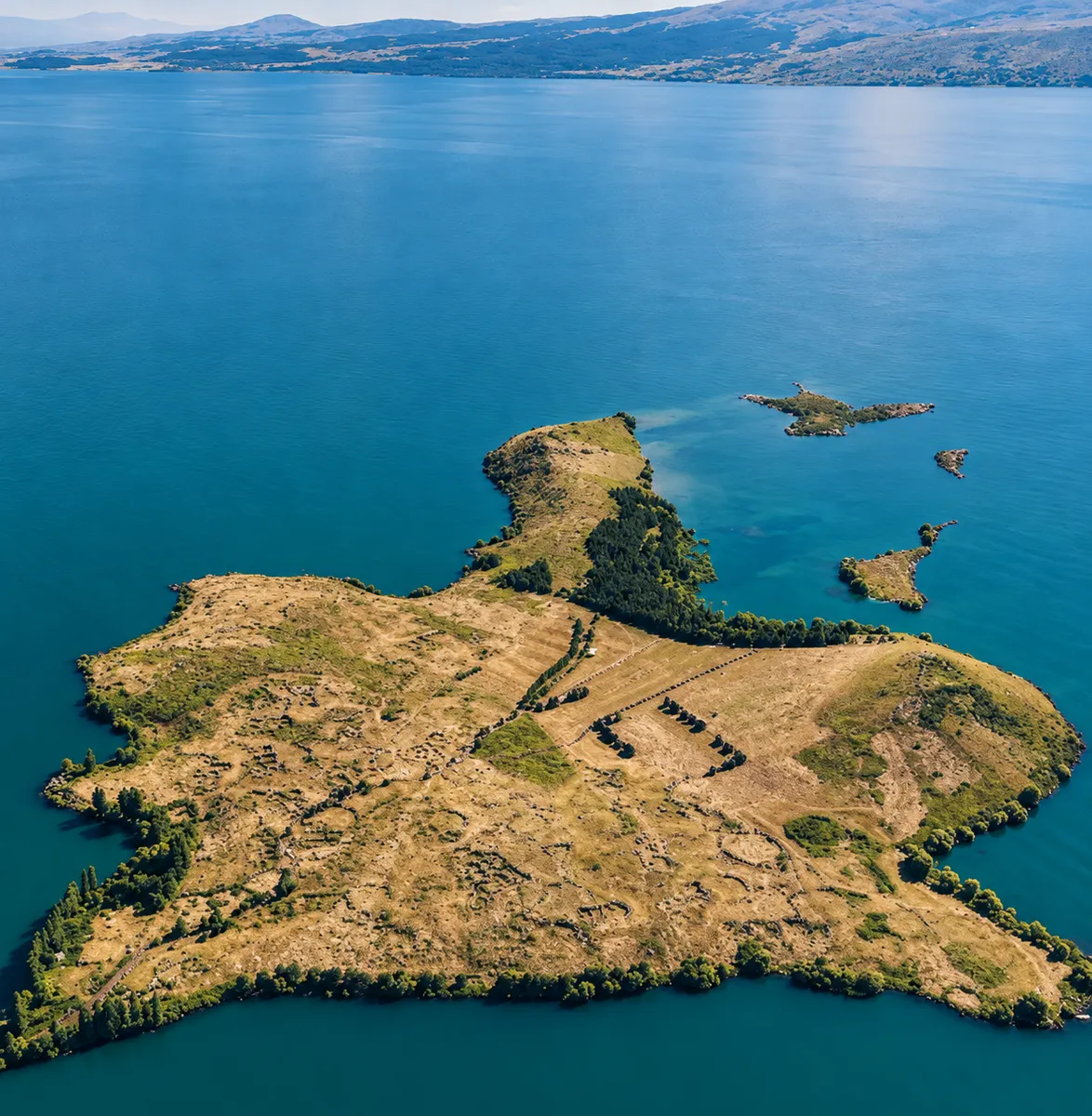
The church ruins at Akçakale Island form part of a historic settlement beside the northeastern shore of Lake Çıldır, immediately west of Akçakale village. Also described as a chapel, the building stands east of the fortress remains. Measuring approximately 9.60 × 6 metres, this single-nave structure is dated to the 11th century on architectural grounds.
View on map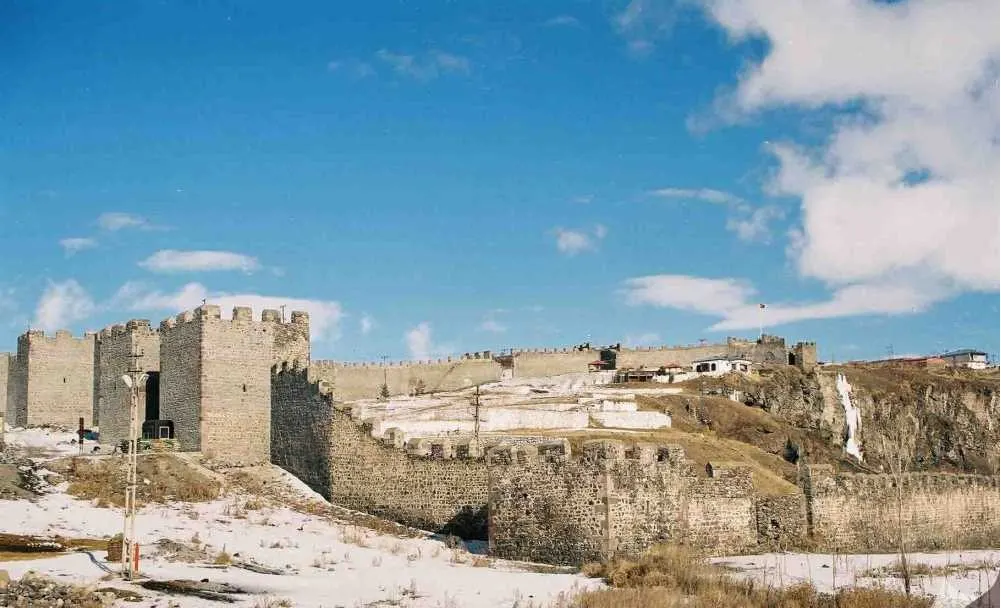
Museums & History
☆No ratings yet(0 reviews)↓
🛡️ Radar (0)↓
Standing beside the Kura River in central Ardahan, Ardahan Castle is a good starting point for exploring the city’s history. Its substantial stone walls and towers are particularly striking when viewed from the riverside. The castle’s earliest construction date remains uncertain, while much of its present appearance reflects work carried out during the reign of Sultan Süleyman the Magnificent in the mid-16th century
During your visit, look for the stonework along the walls, the differently shaped towers and the Arabic inscription above the main western entrance. With its rectangular layout and central location, the castle is an easy historical stop to include in a walk around Ardahan. Combine a look around the castle’s exterior with a stroll beside the Kura River.
📍 Halilefendi, Şehitler Cd. No:24, 75000 Ardahan Merkez/Ardahan
View on map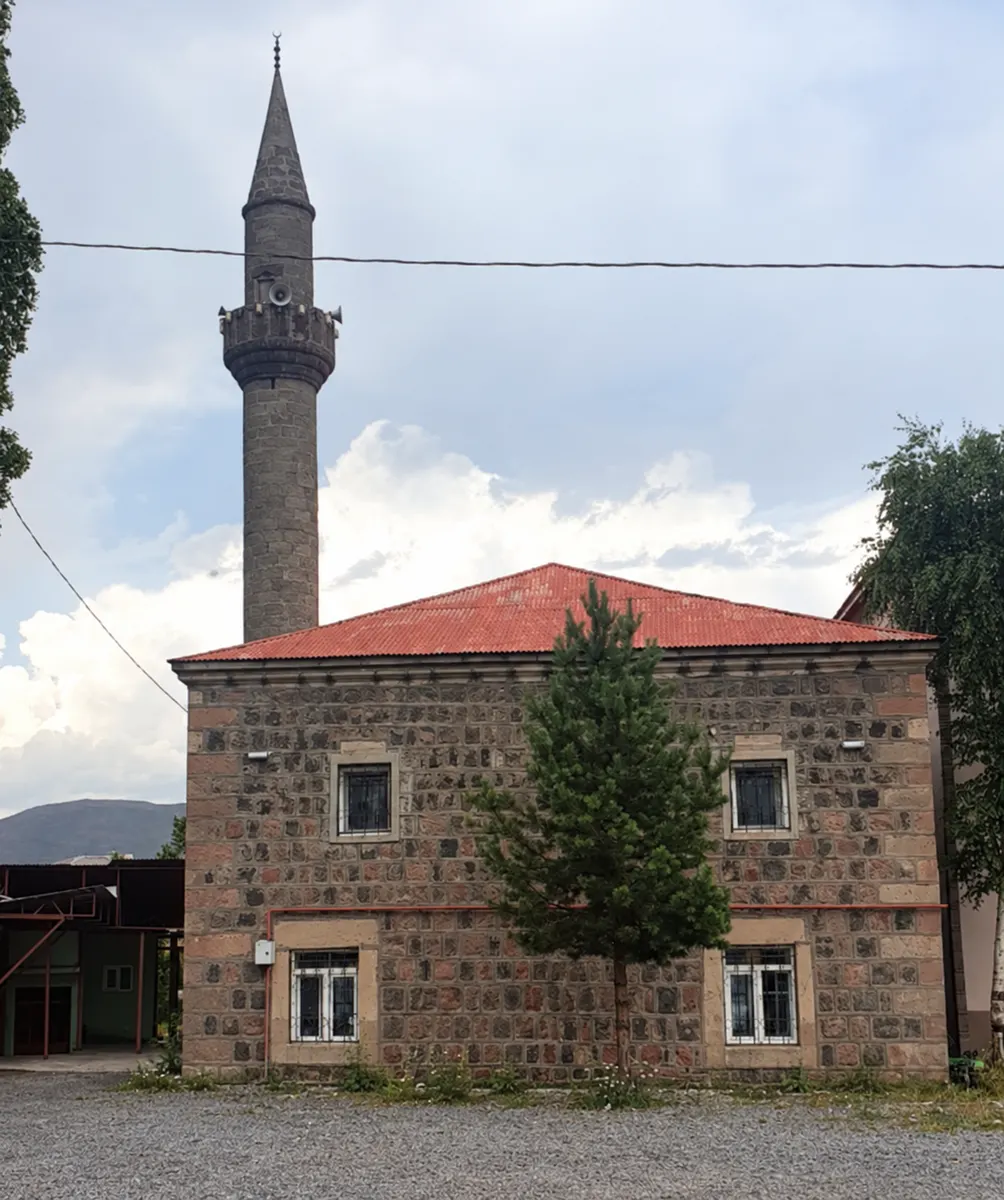
Museums & History
☆No ratings yet(0 reviews)↓
🛡️ Radar (0)↓
Derviş Bey Mosque is a 19th-century Ottoman mosque near Ardahan Castle in the city centre. Its inscription bears the Hijri date 1285, interpreted as 1868 in an academic study and as 1869 in some official visitor information. Dating the building to 1868–1869 reflects this difference between sources.
Look closely at the stone arch of the entrance and the inscription, which offer a direct connection to the building’s past. Verified biographical information about Derviş Bey, whose name the mosque carries, is limited. Include the mosque in a walk around the castle area and ask the attendant about visiting the interior.
📍 Kaptanpaşa, Ordu Cd. No:19, 75000 Ardahan Merkez/Ardahan
View on map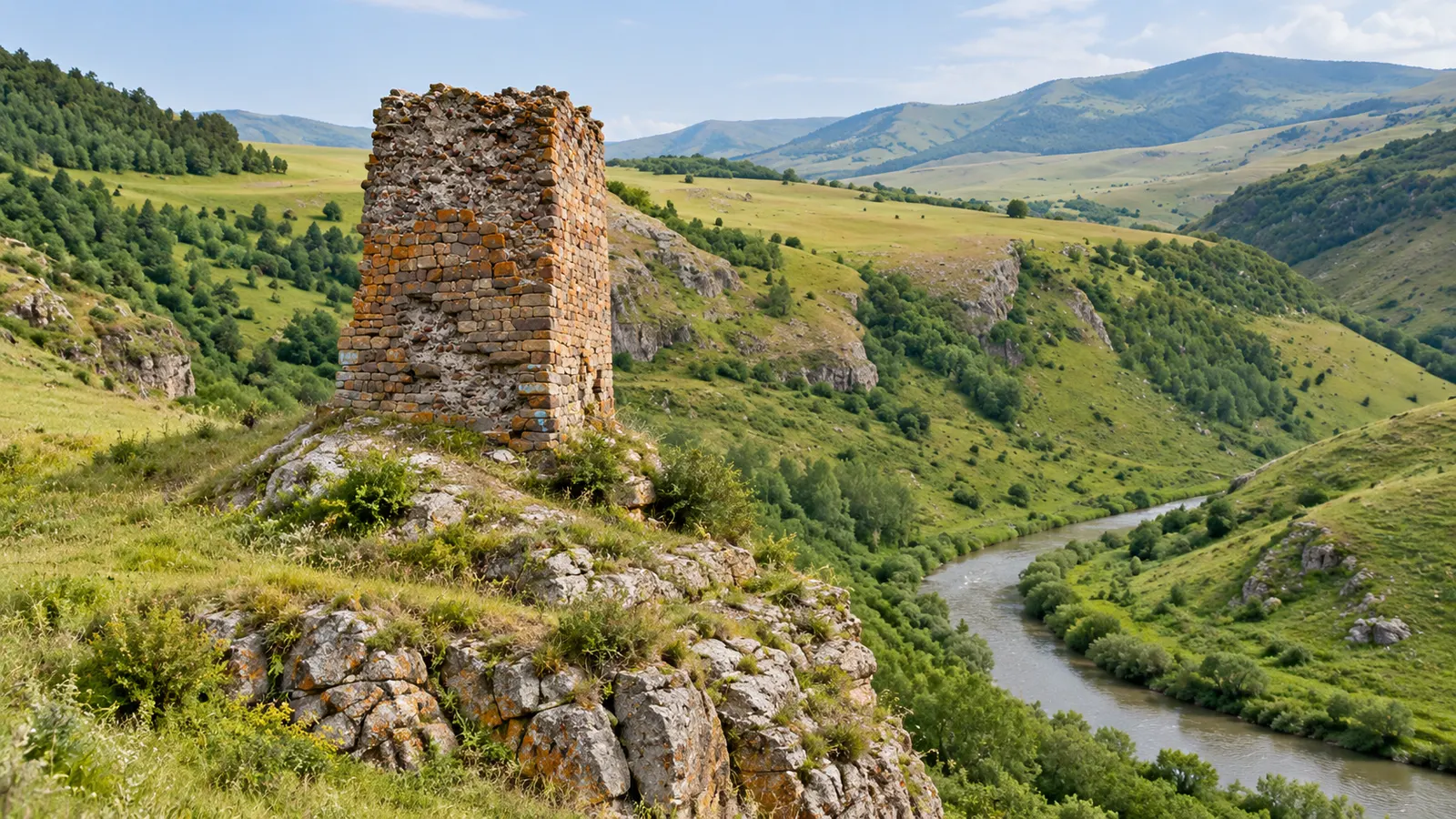
Museums & History
☆No ratings yet(0 reviews)↓
🛡️ Radar (0)↓
Kazan Castle lies approximately 12–13 kilometres northeast of Ardahan, on a tongue-shaped rise overlooking the Kura Valley. Its ruins and the surrounding river landscape make it an interesting historical stop beyond the city centre. Take time to study the terrain as well as the surviving remains; the setting helps you appreciate the castle’s position above the valley.
The castle’s construction date and builders remain uncertain. Traces of an old settlement around it suggest that the site once included more than a defensive structure. Located within the boundaries of Çamlıçatak village, the castle and surrounding remains are protected as an archaeological site.
Plan your visit as an outdoor exploration of ruins. Wear sturdy shoes, carry water and ask locally about the final approach. Avoid climbing historic walls or moving stones while exploring.
📍 Kazankale, Çerme, Çamlıçatak Köyü Yolu, 75000 Çamlıçatak/Ardahan Merkez/Ardahan
Museums & History
☆No ratings yet(0 reviews)↓
🛡️ Radar (0)↓
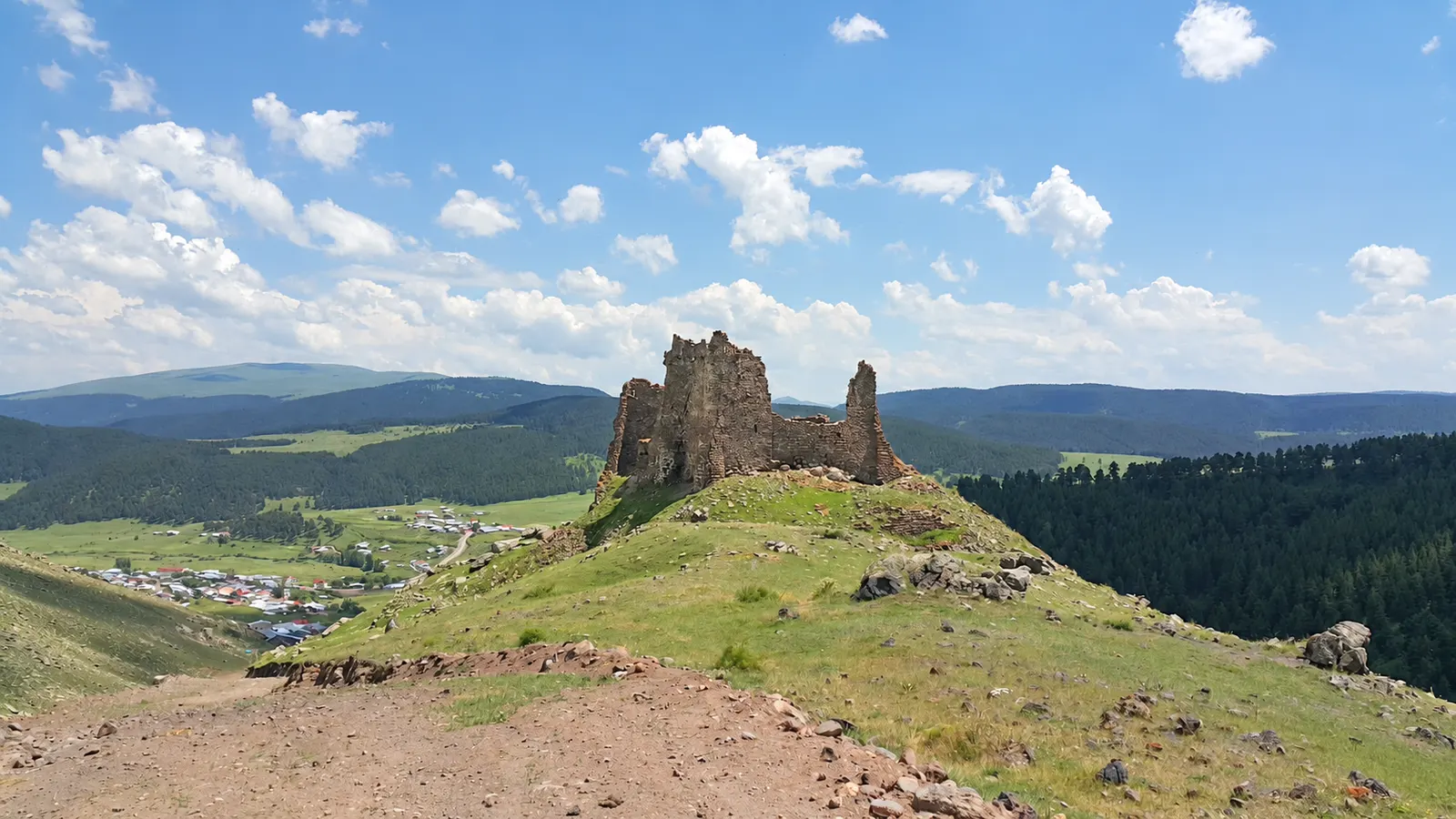
Kinzi Castle stands near Bağdaşen village, approximately 30 kilometres west of Ardahan, southeast of the Bülbülan Plateau. Set within the countryside, its ruins offer an interesting stop for travellers who enjoy discovering historical places beyond the city centre. The village also appears in historical references as Kinzodamal.
According to the Serhat Development Agency’s travel guide, the castle was established to protect the old trade and migration route linking Yalnızçam, Bülbülan and Ardanuç. Take a moment to study the surrounding landscape alongside the surviving remains: the setting helps explain the fortress’s strategic purpose.
Plan your visit as an outdoor exploration of castle ruins. Wear sturdy shoes, carry water and ask residents in Bağdaşen about the final approach before setting out. Avoid climbing loose masonry or historic walls while exploring the site.
📍 Kinzi Kalesi, 75000, Bağdaşen/Ardahan Merkez/Ardahan
Museums & History
☆No ratings yet(0 reviews)↓
🛡️ Radar (0)↓
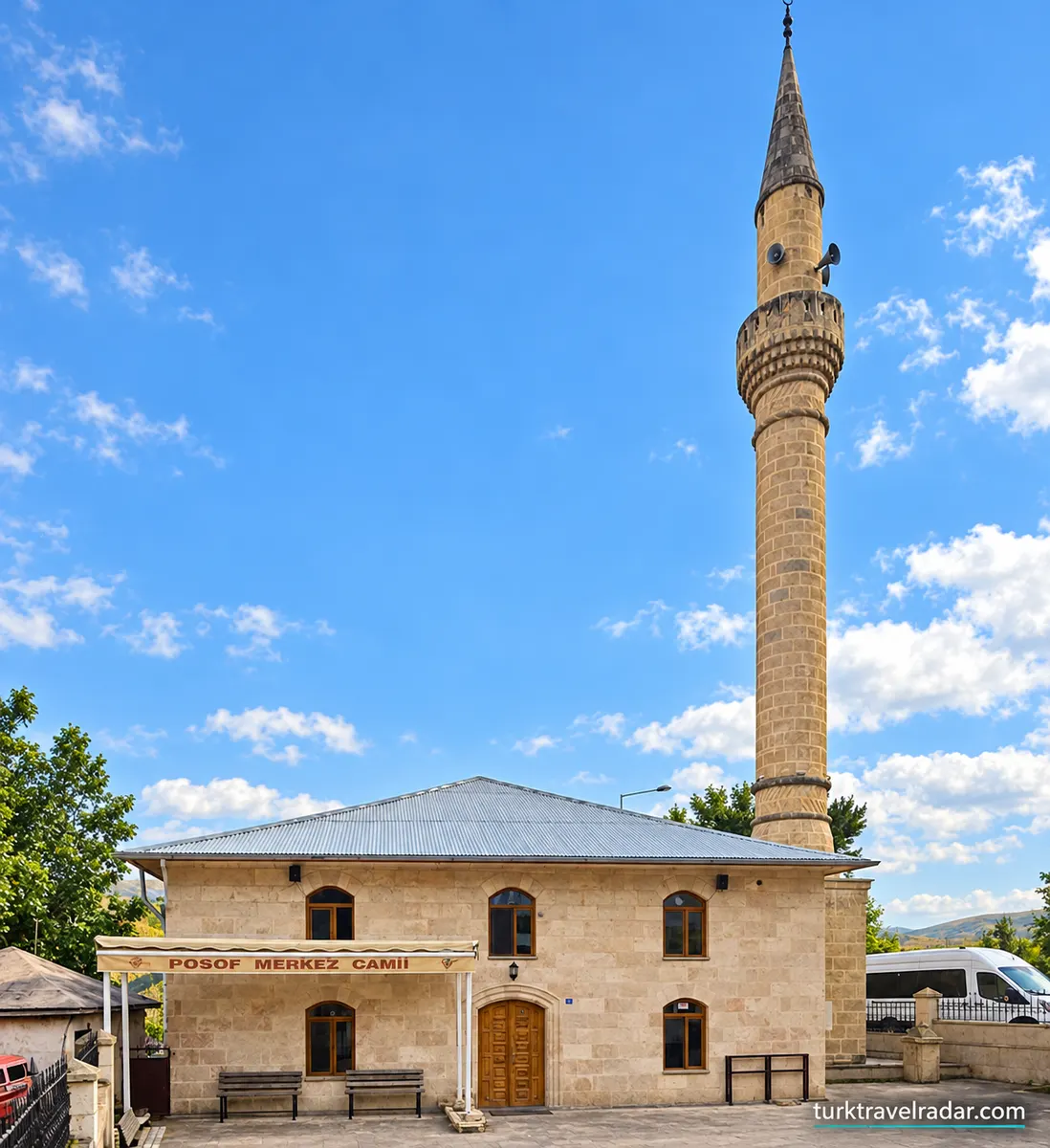
Posof Central Mosque stands in the centre of Posof district, Ardahan. Built from cut stone with an elongated rectangular layout, it reflects Ottoman architectural traditions. An inscription on its minbar dates the building to 1868. It makes an interesting stop during a walk around Posof, with stonework and an interior worth taking time to examine.
The burial ground east of the mosque offers another clue to the site’s past: a tomb bears the date 1771. This suggests an earlier history at the site, although it does not by itself establish that the mosque was built in that year. Look for the minbar inscription and historic gravestones during your visit. Ask the attendant before entering or taking photographs, and respect anyone who is praying.
📍 Posof Merkez Cami, Merkez, 75800 Posof/Ardahan
Museums & History
☆No ratings yet(0 reviews)↓
🛡️ Radar (0)↓
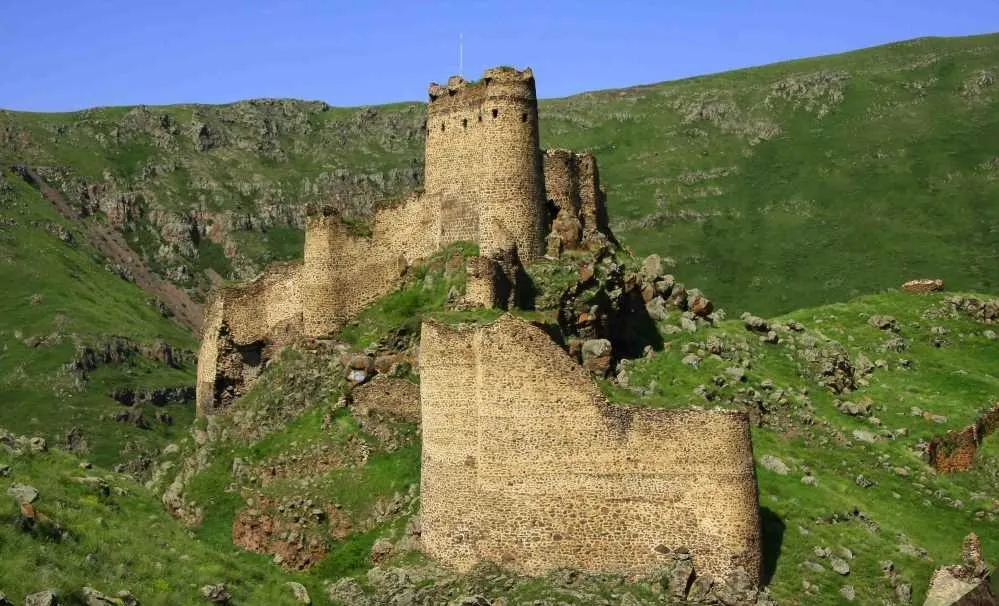
Your first glimpse of Şeytan Castle may leave you wondering how anyone built a fortress here. Rising from a rocky outcrop in Karaçay Canyon near Yıldırımtepe village in Çıldır, Ardahan, the castle appears almost joined to the cliffs beneath it. With steep drops on three sides and an approach from only one direction, the landscape itself formed a powerful line of defence.
The castle’s original construction date remains uncertain, while its surviving architecture is characteristic of a medieval fortress. Remains within the walls include a water cistern, a storage area and a chapel. Take time to appreciate both the stonework and the canyon below: the setting is as memorable as the castle itself.
A vehicle road leads to a nearby viewpoint, followed by a walking trail to the castle. Wear shoes with good grip, carry water and allow enough daylight for the return walk. Keep away from cliff edges and approach the route cautiously in rain, snow or icy conditions.
📍 Şeytan Kalesi, Yıldırımtepe, 75400 Çıldır/Ardahan