Yozgat Çamlığı National Park: A Walk Beneath Pines Older Than Your Country
Walk beneath ancient black pines in Yozgat Çamlığı, Turkey’s first national park, with its forest history, seasonal atmosphere and practical visitor tips.
 Burak ÇınarTurkTravelRadar Founder
October 4, 2026
The first thing to notice is the smell.
On a warm day, pine resin can give the air a dry, woody sweetness. After rain, the scent changes: damp earth, wet bark, needles darkened by water. Somewhere above you, branches move against one another. Light slips through the canopy and rests in uneven patches along the path.
Walk a little farther.
When you pause, the smaller sounds become easier to hear: a bird calling between trees, the movement of branches, your own footsteps starting again.
This is Yozgat Çamlığı National Park, known locally as Çamlık. Close to Yozgat’s urban centre, it offers room for an afternoon outdoors without requiring a journey into remote countryside. It also holds a remarkable place in Turkish history: declared on 5 February 1958, it was Turkey’s first national park.
That distinction is worth knowing before you arrive. Once you are beneath the trees, though, you may find yourself thinking less about dates and more about how good it feels to slow down.
The Forest Turkey Chose to Protect First
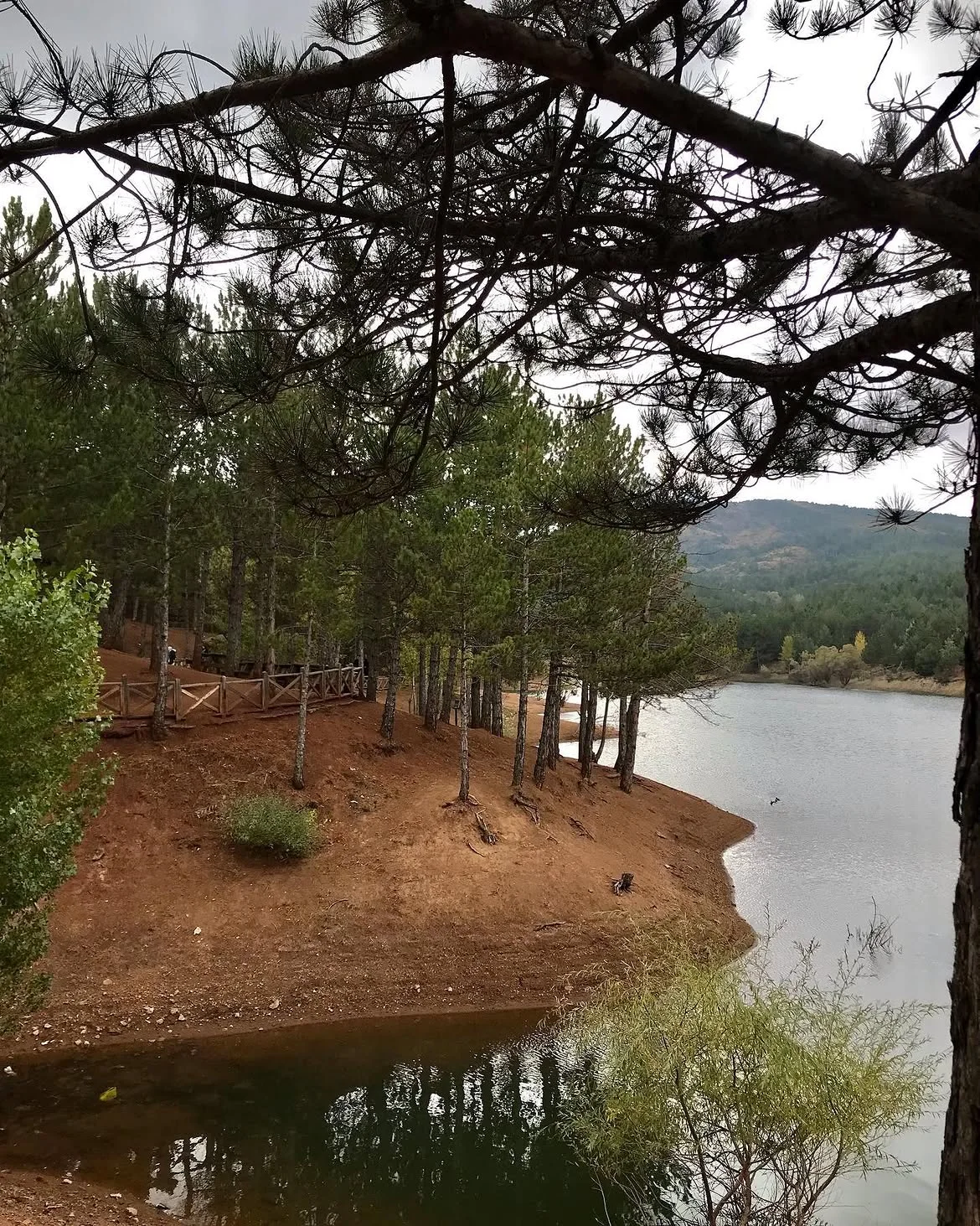
Çamlık’s importance begins with its Anatolian black pines.
The forest preserves a surviving fragment of the old woodland landscape of Central Anatolia. Its value lies in the trees themselves, the habitats around them, and the continuity of a forest that has endured as its surroundings changed.
The protected area was expanded in 2022, increasing from 266.9 hectares to 517.33 hectares, according to the regional nature conservation authority. Alongside black pine, its vegetation includes juniper, oak, aspen and Scots pine.
You do not need to identify every species to enjoy the walk. Notice how different trees hold the light. Look at the shapes of their branches, the spaces between trunks, the changing shade under your feet.
The forest becomes richer when you give it that much attention.
A Pine That Began Growing in 1564
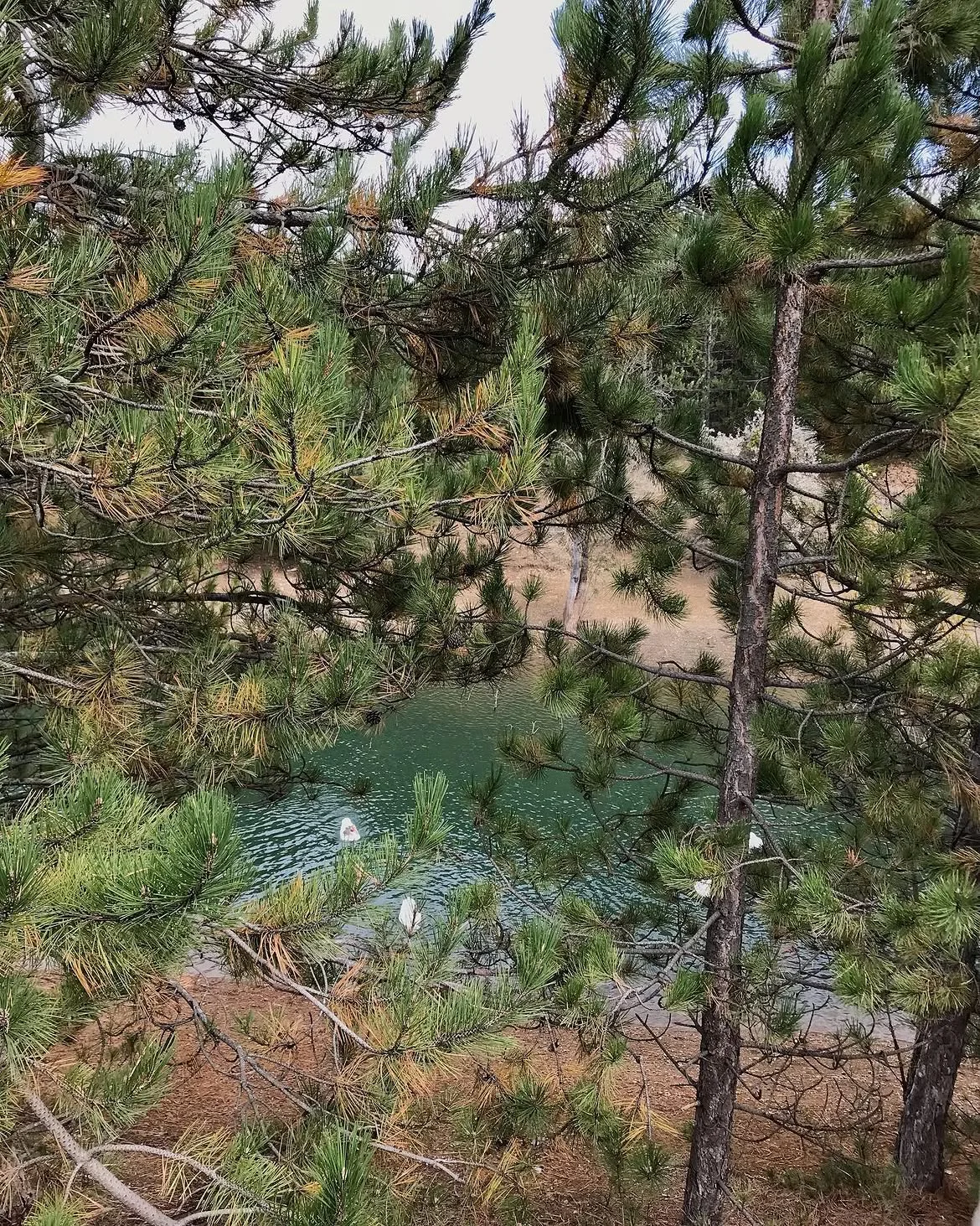
One of the park’s most moving details is a tree.
The regional conservation authority reports an Anatolian black pine whose age measurements place its germination in 1564, during the reign of Süleyman the Magnificent.
Let that date settle for a moment.
When this tree began growing, the Ottoman Empire was still ruled by Süleyman. Centuries of births, departures, wars and ordinary mornings followed. The tree continued making wood, branch by branch, season after season.
You may not be able to visit this particular specimen; ask park staff about any permitted viewing arrangements. Its existence alone changes the way you look at the woodland.
An old trunk stops being background scenery. You begin to notice its weight, its scars, the patience of its growth.
What Does a Visit Feel Like?
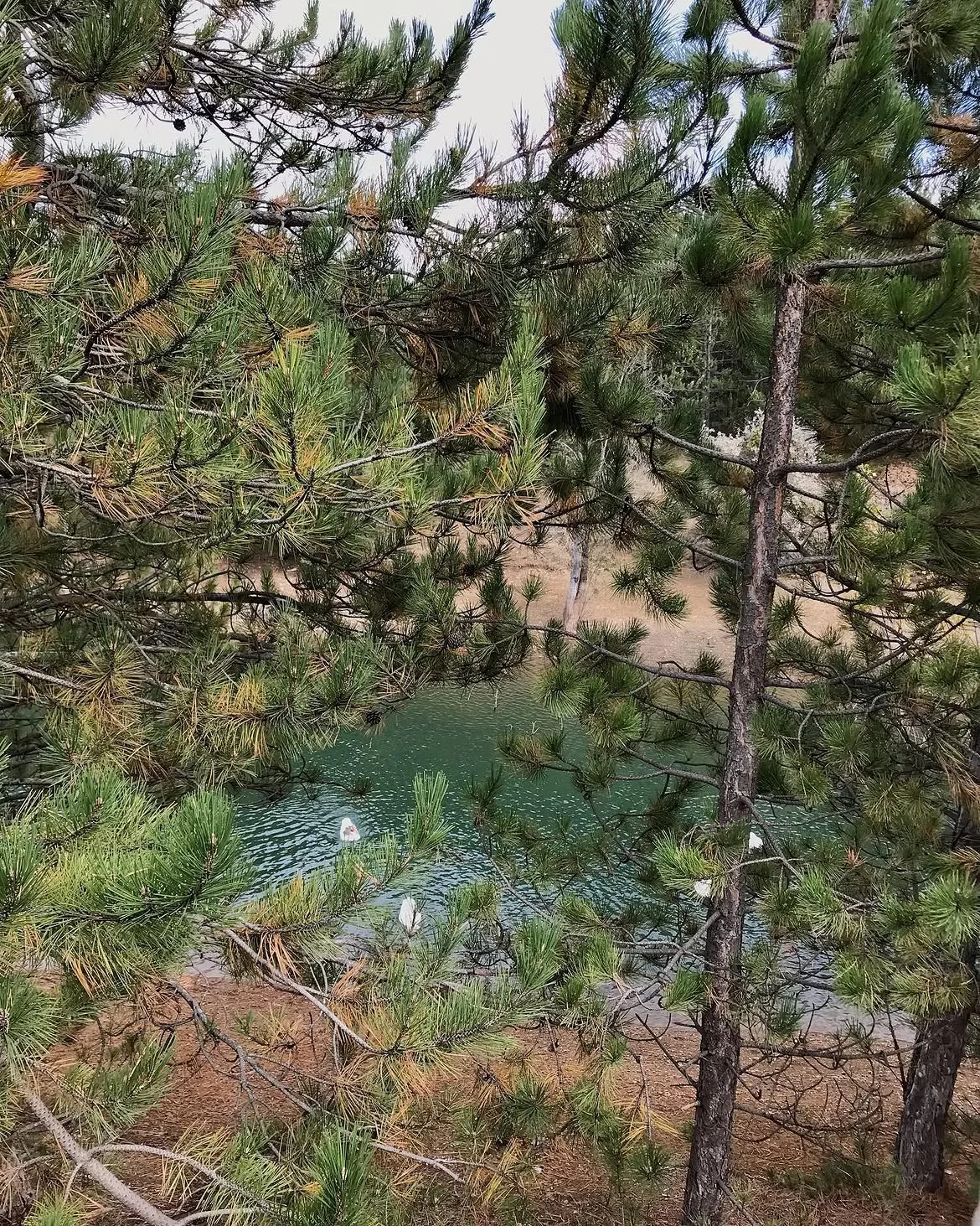
Choose a manageable path and give yourself time to enjoy it.
In sunny weather, moving into shade can bring a welcome change against your skin. A breeze may reach your face before you hear it stirring the canopy. After rain, the ground can feel softer in places, while damp roots and paved surfaces need a more careful step.
There is pleasure in walking with no urgent destination. You find a patch of light worth photographing, then another turn that draws you a little farther.
Çamlık also serves as a recreation area, with walking and cycling routes, picnic facilities and places to rest. Expect shared space rather than guaranteed solitude, particularly around the day-use areas.
If you want a quieter experience, try an early weekday visit. That is a planning suggestion, rather than a promise: local use, weather and events can change the atmosphere.
Walking, Resting and Watching the Light
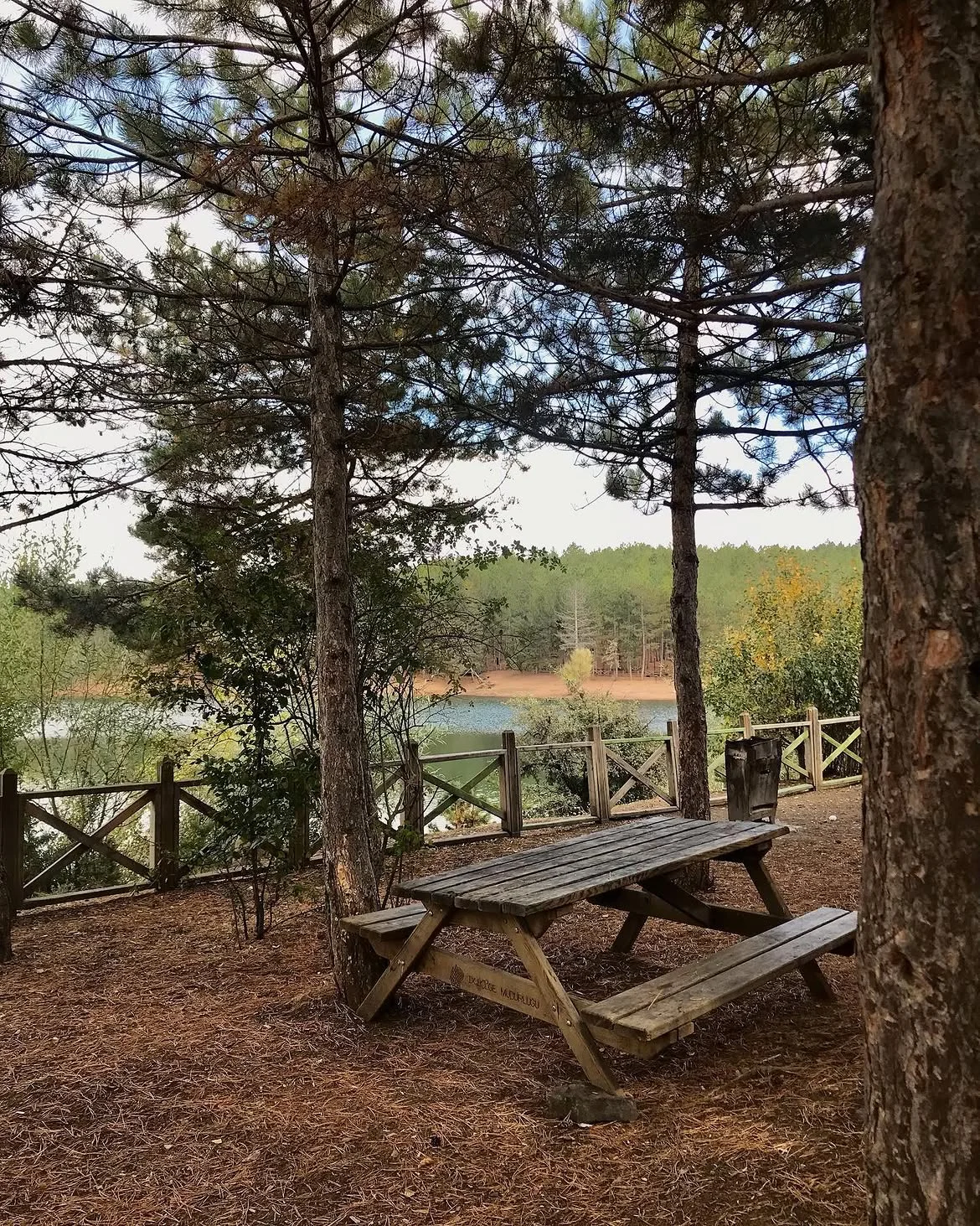
The park’s official facilities include walking and cycling paths, viewing terraces, day-use areas and a nature education centre. Food facilities are also listed, although individual opening times should be checked locally.
For a first visit, an hour or two is a comfortable starting point.
You could spend part of it walking and part of it sitting. Bring water, and perhaps something simple to eat in a permitted picnic area. Bread, cheese and fruit travel easily; take every wrapper and leftover away with you.
A picnic tastes better when you are hungry from walking. The first bite, the relief of sitting down, the warmth of a drink held between your hands—these can become the moments you remember most clearly.
Stay on permitted routes and leave protected areas undisturbed. Old trees deserve space around their roots as well as admiration.
Photograph the Forest, Not Just the View
A wide photograph can show the woodland, but a closer one often carries more feeling.
Try the rough surface of a trunk with sunlight along one edge. Look for a path disappearing between trees, or branches layered against a pale sky. After rain, small drops on needles can make an ordinary detail worth stopping for.
For a sense of scale, include a companion beside a substantial tree, while keeping clear of sensitive roots and any restricted areas.
Early morning and late afternoon often give softer light. Midday can work well for smaller details in shade.
Take the picture, then lower the camera. Give yourself a moment to notice what the photograph cannot hold: the temperature, the smell of the air, the movement overhead.
Choose Your Season
Spring suits visitors who enjoy fresh growth and the changing woodland floor. Bring a layer and expect some muddy surfaces after rain.
Summer makes shaded paths especially appealing. Carry water and follow any current restrictions on smoking, fires and barbecues.
Autumn offers cooler conditions for walking. Remember that the pine canopy stays green; seasonal colour will depend on the other vegetation around you.
Winter can transform the setting when snow arrives, but ice and access conditions matter more than the photograph. Check locally before setting out and choose footwear with a reliable grip.
Whatever the season, a short walk that feels comfortable is better than stretching a route simply to cover more ground.
Combine Çamlık with Central Yozgat
Çamlık makes a rewarding addition to a day that includes Yozgat Clock Tower and Çapanoğlu Mosque.
Visit the central landmarks first, have lunch, then leave the afternoon for the trees. Or begin with the forest and return to town when you are ready for a warm meal.
For directions, use the full name Yozgat Çamlığı Milli Parkı. The governor’s office notes that the broader area locally called “Çamlık” encompasses both the national park and Fatih Nature Park, which are distinct protected areas. Confirm the entrance you want before travelling.
Practical Visitor Notes
Allow 1–2 hours for a relaxed introductory visit, with longer if you plan a picnic or a more substantial walk. This is a suggested duration.
Check current entrance charges, access arrangements and facility hours before your visit. A reliable current tariff has not been confirmed here.
Walking note — Physical effort: 2/5 for a short recreational walk. This is an estimate, not a rating for every route. Longer paths, slopes, mud, snow and ice can increase the effort. Visitors who need step-free access should ask about a suitable route and accessible toilets before arriving.
Carry water, wear shoes with grip, and keep food packed away from wildlife. Follow posted rules, especially seasonal fire restrictions.
Yozgat Çamlığı National Park — Quick Visitor Summary
| Detail | What to know |
|---|---|
| Location | Yozgat’s central district |
| Turkish name | Yozgat Çamlığı Milli Parkı |
| National park status | Turkey’s first, declared 5 February 1958 |
| Current listed area | 517.33 hectares following the 2022 expansion |
| Natural highlight | Anatolian black pine woodland |
| Historic tree | An age-dated black pine reported to have germinated in 1564 |
| Suggested visit | 1–2 hours for a gentle walk and rest |
| Facilities | Walking and cycling routes, viewing terraces and day-use areas; check individual services |
| Fees and hours | Confirm current arrangements locally |
| Physical effort | Approximately 2/5 for a short walk; route and weather dependent |
Park history, area and listed facilities are supported by official conservation sources.
Before you turn back, stop somewhere safe beside the path.
Watch a branch move. Listen until you can pick out a sound beyond your own footsteps.
For a few minutes, there is nowhere else you need to be.
💬 Comments (0)
Traveler comments are shown in their original language.
No comments yet. Be the first to share your experience.
💬 Want to join the discussion?
Log in or create an account to leave a comment.