Yılmaz Kaya: The Woodcraft Artisan Keeping Bingöl's Heritage Alive
Located within the GSB Bingöl Youth Centre, the Traditional Woodcraft Workshop introduces visitors to the story of artisan Yılmaz Kaya and his commitment to preserving woodworking traditions and passing practical knowledge to future generations.
 Burak ÇınarTurkTravelRadar Founder
October 12, 2026
Some people shape wood. Others use their craft to carry a living culture into the future. In Bingöl, the story of Yılmaz Kaya brings these two forms of work together.
A piece of wood may look ordinary before an artisan begins working on it. But in experienced hands, every cut, surface and detail becomes a decision. Knowing where to shape the material, how to work with it and when to stop requires more than manual skill. It takes patience, discipline and knowledge accumulated over years.
For Yılmaz Kaya, that journey began in a carpenter's workshop in Bingöl, beside the first master who guided him: his father.
Learning Beside His First Master
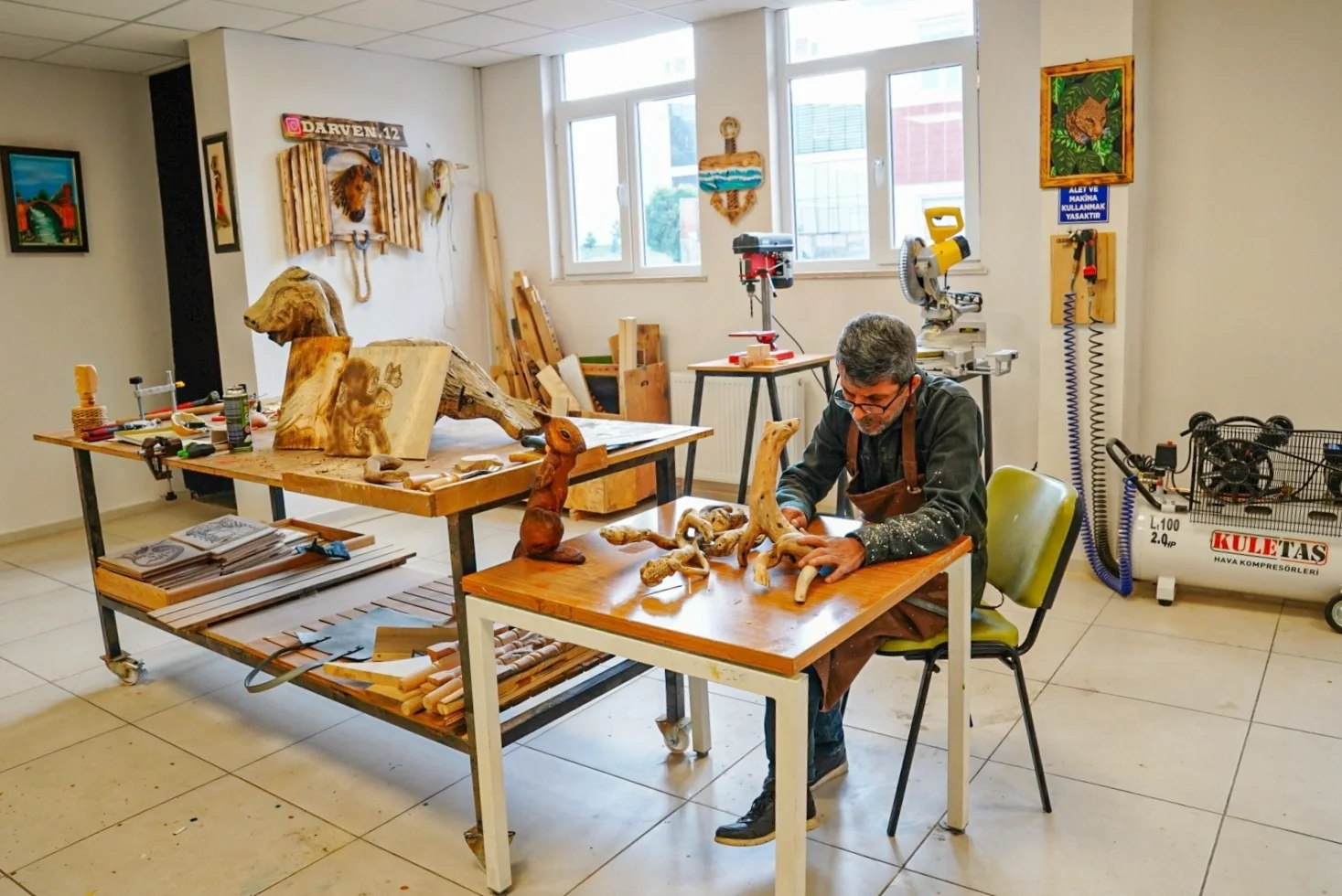
Yılmaz Kaya was born in Bingöl in 1970. He completed his primary education at Karaelmas Primary School, attended Bingöl Imam Hatip Middle School and graduated from Bingöl Industrial Vocational High School.
Yet his professional story cannot be understood through education alone. Its roots lie in the workshop of his father, Teyfik Usta, a carpenter whose work introduced him to the discipline of craftsmanship.
During his childhood and teenage years, working alongside his father taught him more than how to handle wood. He learned to respect the work itself: the care required for a task, the discipline needed to complete it properly and the patience behind a well-made object.
Mastery often begins with learning how to hold a tool. Over time, however, an artisan also learns how to approach the work—when not to rush, why a small detail matters and how much effort lies behind a finished piece.
His father's workshop was therefore more than the place where Kaya first encountered woodworking. It was his first school of craft and professional values.
From Craftsmanship to Art
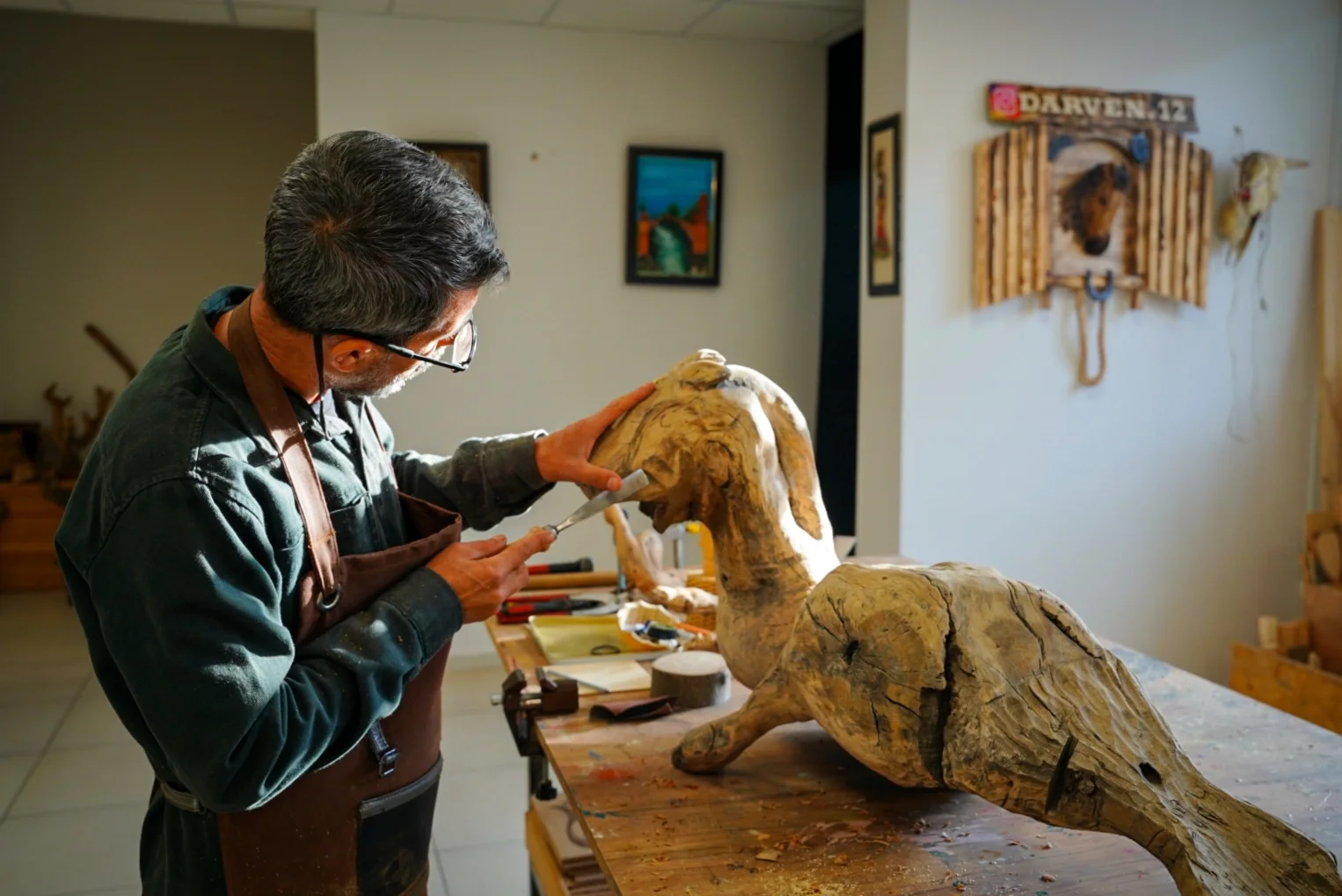
Learning a trade is only the beginning. Developing mastery requires practice, mistakes, repetition and the willingness to keep improving.
In the years that followed, Kaya gained experience through apprenticeship and journeyman training in different craft disciplines. These experiences helped him build a broader professional foundation, bringing together the lessons of different forms of workmanship.
At the heart of his approach is the belief that craftsmanship and art should complement one another. Craftsmanship has the practical power to meet human needs and make everyday life possible. Art can add aesthetic value, meaning and cultural depth to what is made.
When the two come together, the result is more than a functional object. The material, the technique and the experience of the person who created it all become part of the work.
This perspective offers a way to understand Kaya's relationship with wood. His work is not simply about shaping a material; it is also about keeping inherited knowledge alive through contemporary practice.
Knowledge Is Meant to Be Passed On
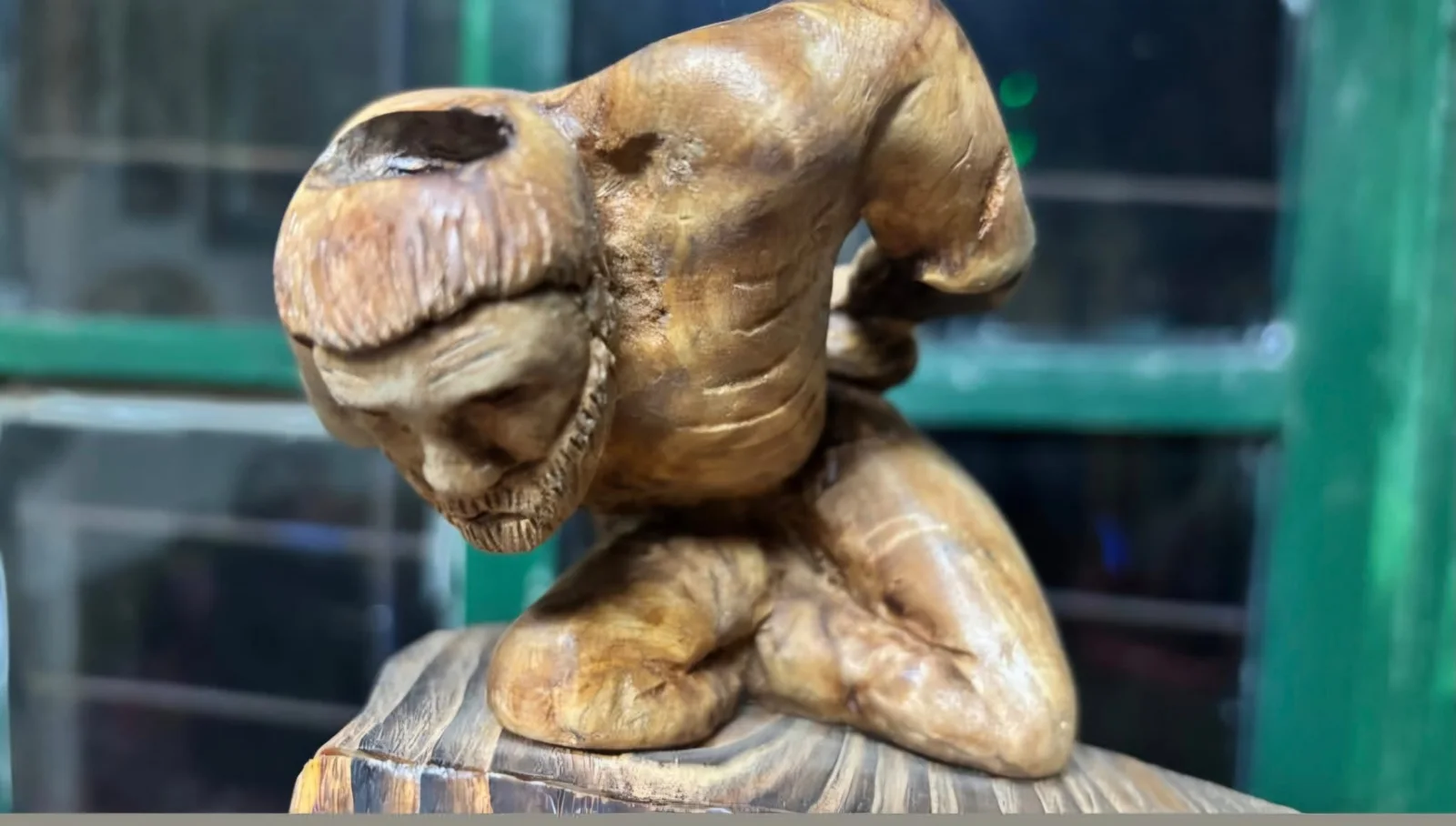
Knowledge gained over a lifetime can reach only a limited circle if it remains with one person. When it is shared, it can continue through other hands and future generations.
This idea lies at the centre of Kaya's approach to cultural heritage. He regards knowledge and experience that remain purely personal as a loss to society. Preserving traditional culture and passing it on to future generations have therefore become central aims of his professional life.
This is one reason traditional crafts matter. When a technique disappears, the loss goes beyond a method of making something. The patience it demands, the relationship it creates with a material and the accumulated experience of generations can all fade with it.
When looking at a wooden object, try to see more than the finished piece. Think about the skill, time and knowledge that brought it into being. Culture does not survive only in objects preserved from the past. It also lives wherever people continue to practise, learn and teach.
A Workshop in Bingöl, A Doorway to the Future
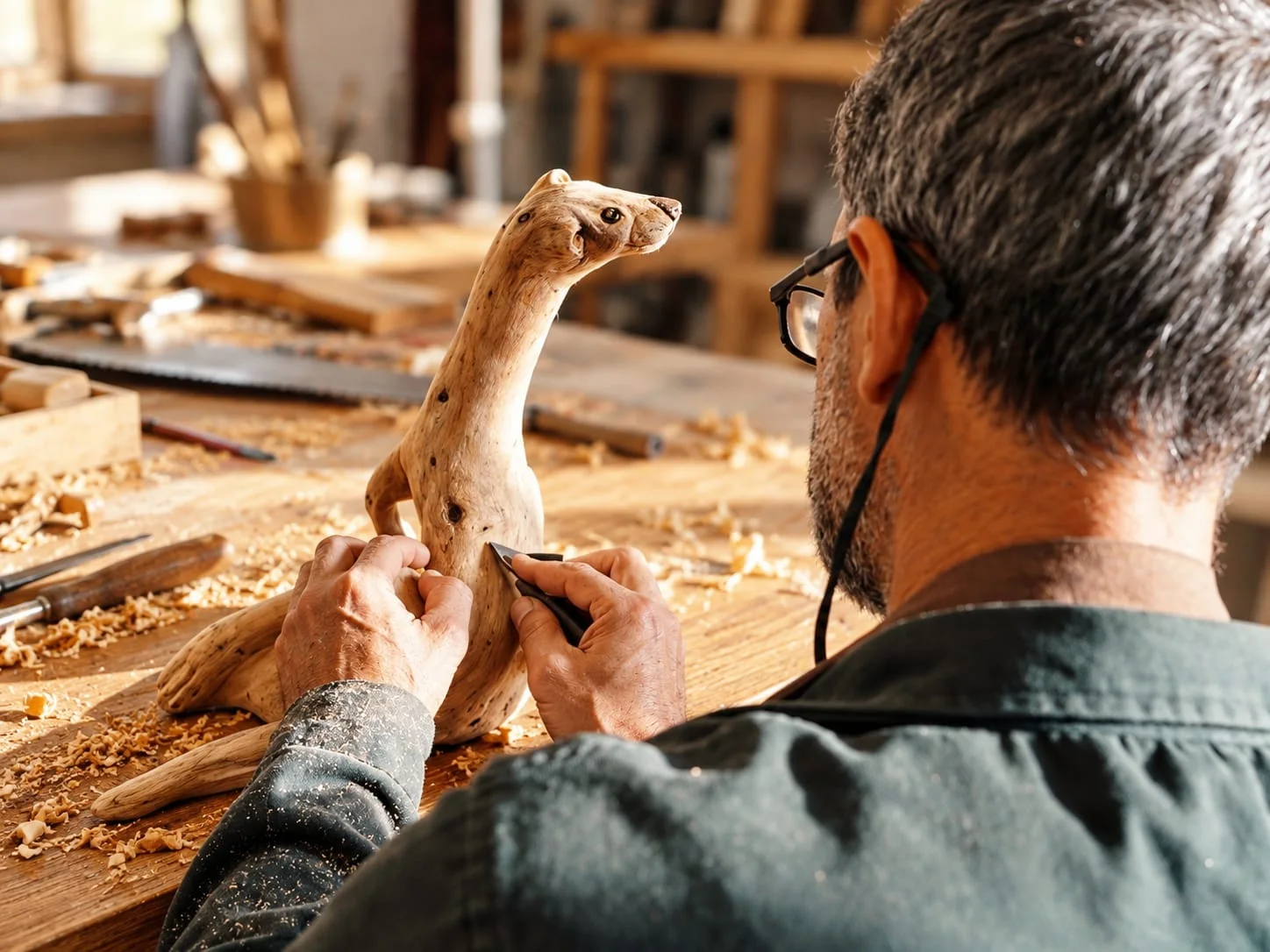
The Traditional Woodcraft Workshop, located within the GSB Bingöl Youth Centre, offers visitors a special opportunity to discover Yılmaz Kaya's approach to craftsmanship.
What makes this place worth seeking out is not simply the presence of wooden works. It is the opportunity to learn about traditional production, understand the skill behind handmade objects and encounter the story of an artisan whose professional journey began in his father's workshop.
As you visit, look at the work with curiosity. Consider how traditional woodcraft depends on technique, patience and attention to detail. If workshop activities and visiting arrangements allow, take time to learn about the process behind the pieces. Even a brief conversation with an artisan can change the way you see a finished object.
Check visiting arrangements in advance, as opening times and activities at a youth centre may vary.
Why Yılmaz Kaya's Story Matters
Discovering Türkiye's cultural heritage often means walking through historic buildings or visiting museums. But sometimes, it begins somewhere quieter—in the working space of an artisan.
Kaya's story reminds us that culture survives not only through objects inherited from the past. It also lives in the discipline a father teaches his child, in skills refined over many years and in the decision to pass hard-earned knowledge on to others.
If your journey takes you to this workshop in Bingöl, do not visit merely to see another attraction. Look beyond the wood itself. Consider the labour behind the craft, the patience it demands and the meaning an artisan finds in a lifetime of work.
Some works take shape as wood is transformed. Other legacies endure because one master chooses to share what he knows with the next generation.
In Yılmaz Kaya's story, the most lasting creation is found not only in the wood, but in the knowledge, memory and cultural heritage he hopes to carry forward.
💬 Comments (0)
Traveler comments are shown in their original language.
No comments yet. Be the first to share your experience.
💬 Want to join the discussion?
Log in or create an account to leave a comment.