Yalova Bonsai Museum: A Small Tree, a Whole World
Discover Yalova Bonsai Museum through its living trees, carefully chosen pots and the patient craft behind them, with practical advice for planning your visit.
 Burak ÇınarTurkTravelRadar Founder
October 4, 2026
The trunk is the first thing that draws you closer.
It bends, thickens near the roots, then rises into branches arranged with remarkable care. Its surface may be rough, its silhouette weathered. For a moment, you can imagine it standing on a hillside, shaped by years of wind.
Then your eyes reach the pot.
The entire tree occupies a space small enough to study without taking a step.
At Yalova Bonsai Museum, that change in scale is part of the pleasure. You begin by admiring small trees. Soon, you are noticing the character of individual trunks, the spaces between branches, and the work required to keep each living composition healthy.
Located in Kadıköy, Yalova, the museum opened on 23 March 2024. Its opening was dedicated to the centenary of diplomatic relations between Turkey and Japan.
It is a place that rewards close attention. The longer you look, the larger these little landscapes become.
A Museum Whose Collection Keeps Growing
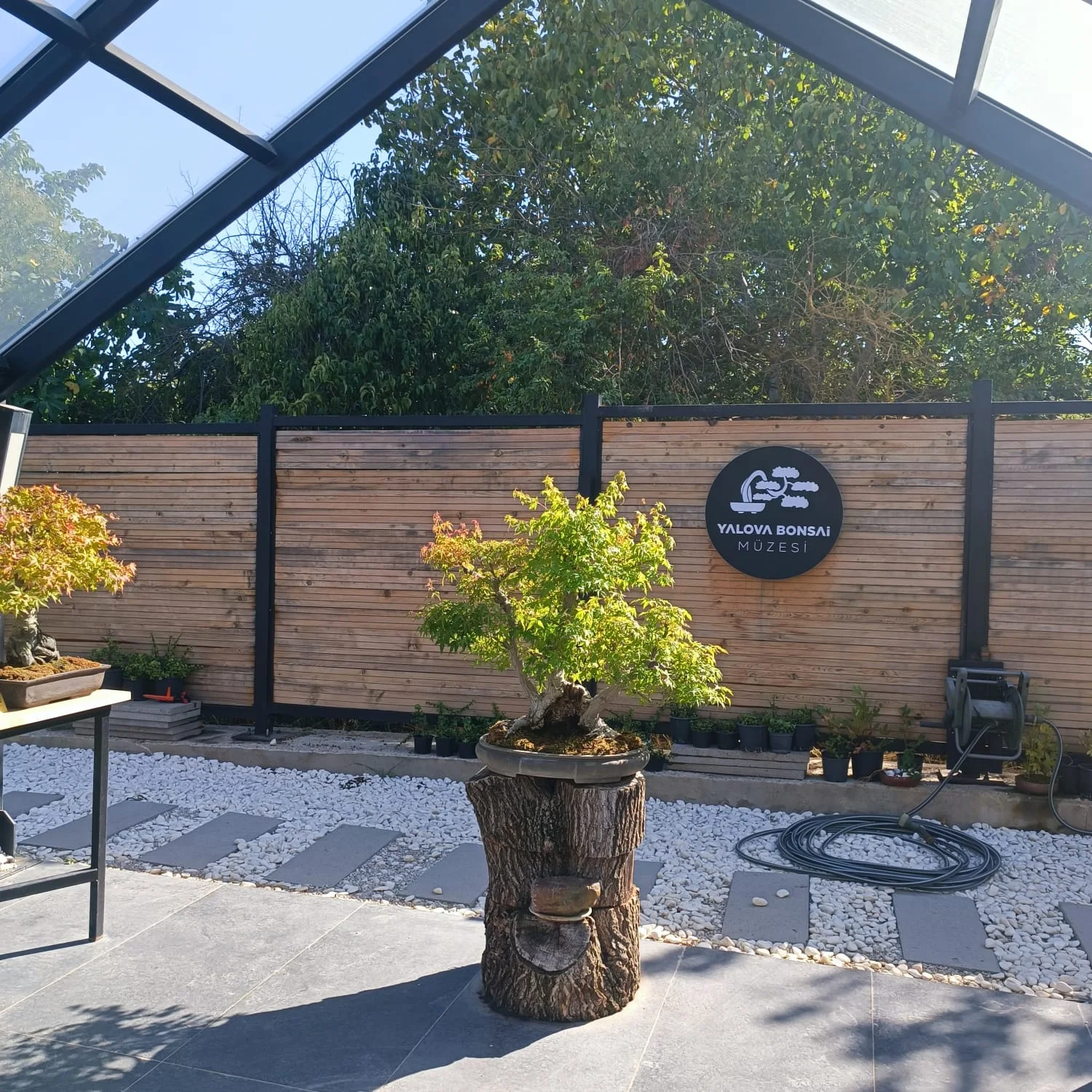
Bonsai are living trees cultivated and shaped in containers.
Their appearance develops through sustained care: pruning, training, watering and attention to the needs of the species. A finished-looking tree still needs someone to return to it tomorrow.
Yalova Municipality describes the museum as Turkey’s first bonsai museum and lists approximately 180 trees representing more than 80 species. Those figures describe the published collection rather than a guaranteed number on display during every visit.
The variety gives you plenty to notice.
One tree may draw your attention through the movement of its trunk. Another may appeal through the balance of its canopy. A third asks you to look at the roots and the way they appear to hold the tree in place.
You do not need to know the names of bonsai styles to enjoy those differences.
Look at the Spaces Between the Branches
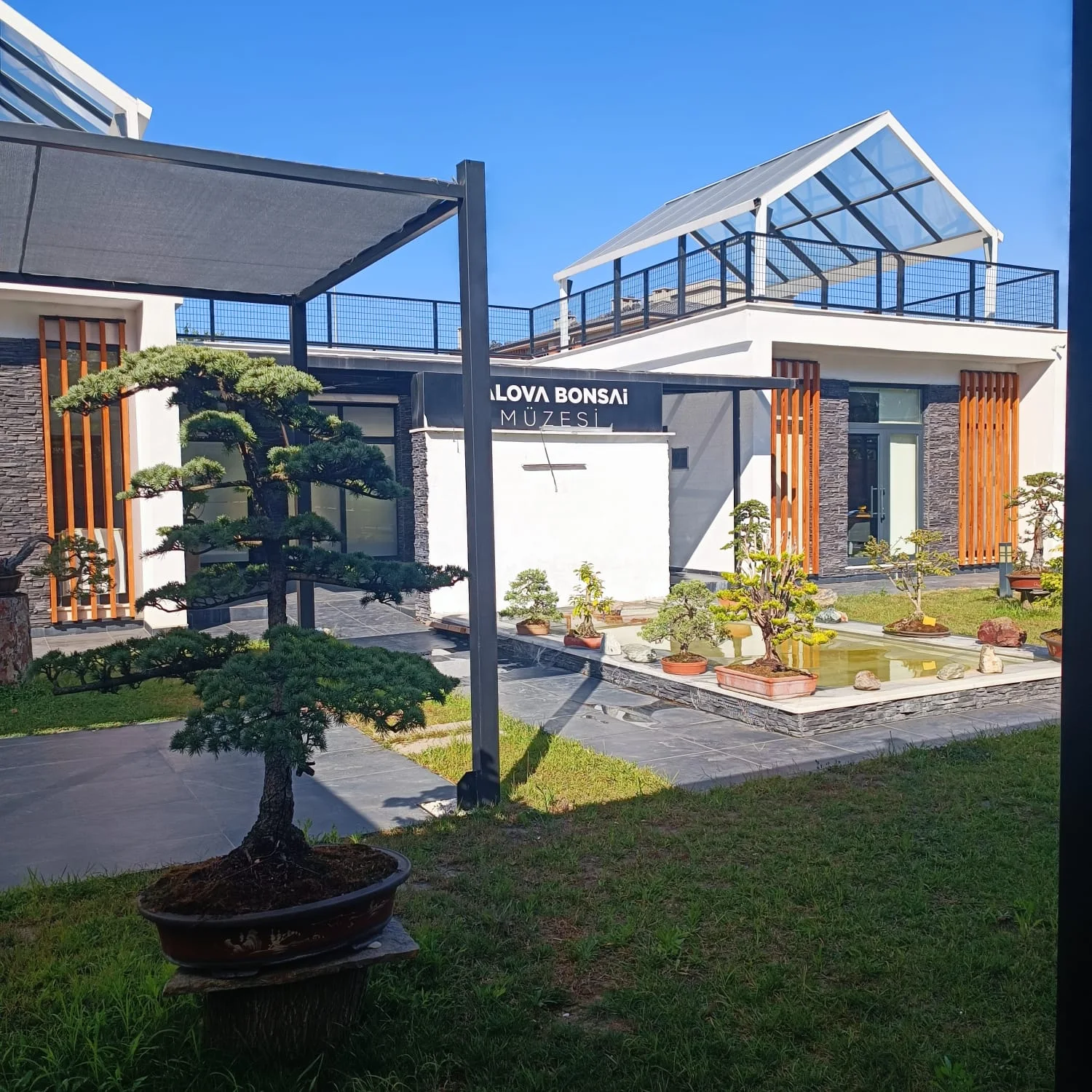
A bonsai’s character comes partly from what is left open.
Look through the branches rather than only at them. Notice where the outline allows light to pass, where foliage gathers, and how the trunk remains visible.
Your eyes begin to follow a route: roots, trunk, main branch, smaller growth.
That small journey can make a tree feel surprisingly expansive. You imagine shade beneath it, weather passing over it, somewhere beyond the edge of the pot.
The tree’s actual age and its time under bonsai cultivation are separate questions. If labels or staff provide those details, they can deepen your appreciation. A weathered appearance alone does not establish an age.
The Hands Behind the Trees
The museum grew from a project approved in 2021 by Yalova’s provincial council.
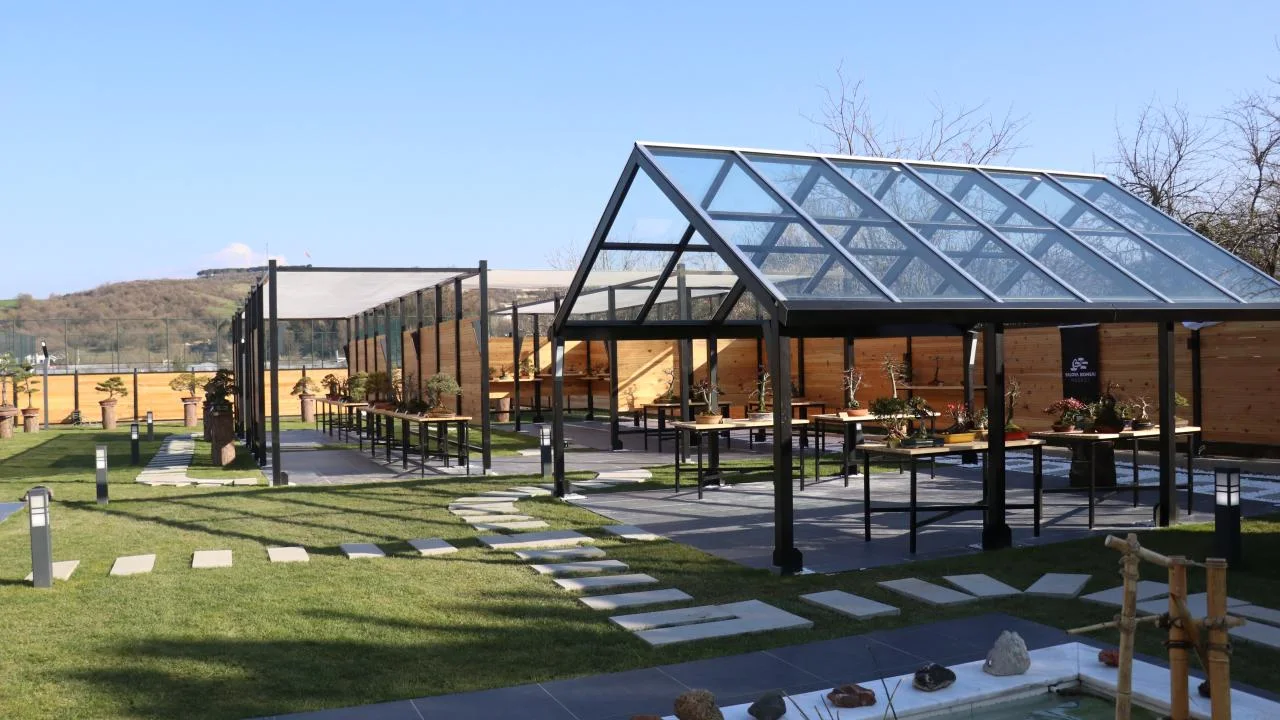
During preparations, a technical team visited bonsai museums in Madrid and Barcelona, studying matters including species selection, climate, irrigation and equipment. The museum was subsequently established on an approximately 1,800-square-metre site allocated in Kadıköy.
Behind the display is a great deal of practical work.
Someone checks the soil. Someone watches new growth and decides where to prune. Someone notices that a tree needs a different position or more protection.
Remembering that care changes the visit. A branch’s graceful line becomes the result of decisions made over time.
Notice the Pot, Too
The container belongs to the composition.
Its shape, depth and colour affect how you see the tree. A restrained pot can allow a dramatic trunk to hold your attention; a decorated one brings its own visual presence.
Yalova’s collection has also received recognition for this part of the art. The governor’s office reported that a pot representing the museum won the best bonsai pot award at The Trophy 2025 in Genk, Belgium, with a red-and-tulip-themed ceramic design.
When you visit, give the containers a second look.
The tree is alive, the pot is crafted, and the relationship between them is carefully considered.
A Different Visit in Every Season
A living collection changes.
Depending on the species and season, you may encounter new leaves, flowers, denser foliage or bare branches. The municipality specifically notes the seasonal character of the displays.
Bare branches can be especially revealing. Without leaves, the tree’s structure becomes easier to follow. During the growing season, foliage gives the same composition a different weight and texture.
There is no single appearance that defines the whole museum.
That makes a return visit appealing: you may recognise a tree and still discover something new about it.
Photographing Bonsai
Begin with one tree.
Find a permitted position where the background is as simple as possible. Include the pot and leave a little room around the canopy. A slightly lower camera position can help convey the tree’s proportions.
Then try a detail: the bark, an exposed root, a branch dividing into finer growth.
Keep your hands away from the display. Do not turn pots, move branches or remove anything to improve a photograph.
Check the rules for flash and tripods. If an artist or staff member is working, ask before photographing them.
Afterwards, lower the camera and look again. The small differences between a photograph and the living tree are worth noticing.
Before You Visit: Confirm Current Access
The museum published a 28 July 2026 notice announcing closure for renovation until 1 September 2026. That date has passed, but a subsequent reopening announcement was not verified for this guide. Contact the museum before travelling.
The Ministry of Education’s visitor listing gives the regular schedule as:
- Tuesday–Friday: 09:30–17:30.
- Saturday–Sunday: 10:00–17:00.
- Monday: Closed.
Treat these as listed regular hours, subject to confirmation after the renovation.
Address: Kadıköy Mahallesi, Kala Caddesi No:4, Kadıköy, Yalova.
Telephone: 0226 833 73 32.
For directions, specify Kadıköy in Yalova; İstanbul’s Kadıköy is a different destination.
Ask about current admission charges and any workshop arrangements. Allow 45–75 minutes for an unhurried visit, with extra time for a confirmed activity. This is a suggested duration.
Walking note — Physical effort: 1/5 for a standard exhibition visit. Confirm step-free routes and accessible facilities if needed.
Yalova Bonsai Museum — Quick Visitor Summary
| Detail | What to know |
|---|---|
| Location | Kadıköy, Yalova |
| Turkish name | Yalova Bonsai Müzesi |
| Opened | 23 March 2024 |
| Collection | Municipality lists around 180 bonsai from more than 80 species |
| Suggested visit | 45–75 minutes |
| Listed weekday hours | Tuesday–Friday, 09:30–17:30 |
| Listed weekend hours | Saturday–Sunday, 10:00–17:00 |
| Weekly closure | Monday |
| Current access | Confirm reopening and hours following the 2026 renovation notice |
| Telephone | 0226 833 73 32 |
| Physical effort | Approximately 1/5 |
Collection details, listed hours and contact information come from official visitor sources.
Before leaving, choose one tree to look at again.
You may notice a branch you missed, a change in the bark, or the way the roots meet the soil.
It has been there throughout your visit. You have simply learned to see a little more.
Can You Buy a Bonsai Tree at Yalova Bonsai Museum?
If you would like to buy a bonsai during your visit, contact the museum beforehand to ask whether trees are currently available for purchase on site. Regular bonsai sales through a museum gift shop have not been confirmed.
For a verified purchasing option, Yalova Bonsai Art, a local business with documented connections to the museum’s development, offers bonsai sales through its own business channels. It should not be described as the museum’s official shop.
- Browse currently listed products on Yalova Bonsai Art’s Hepsiburada page. Check stock, delivery coverage and shipping conditions before ordering.
- For enquiries about available trees, prices and care requirements, visit Yalova Bonsai Art’s website.
- For museum visits, workshop availability and announcements, use the Yalova Bonsai Museum website.
Museum enquiries: +90 226 833 73 32.
💬 Comments (0)
Traveler comments are shown in their original language.
No comments yet. Be the first to share your experience.
💬 Want to join the discussion?
Log in or create an account to leave a comment.