Yağıbasan Medresesi, Tokat: A Medieval School Hidden in Sulusokak
Discover Yağıbasan Medresesi in Tokat’s historic Sulusokak: a twelfth-century Danişmend school with a remarkable domed courtyard, now home to a history of science museum.
 Burak ÇınarTurkTravelRadar Founder
October 1, 2026
Step inside and look up.
Above the stone walls, the central dome opens towards the sky. Daylight enters through the opening, catching the masonry before falling into the courtyard below. A footstep sounds briefly against the floor. Beyond the entrance, Tokat continues its ordinary day; inside, the building draws your attention towards its centre.
This is Yağıbasan Medresesi, also known as Çukur Medrese, in Tokat’s historic Sulusokak district.
Built in the twelfth century, it is among Anatolia’s earliest surviving examples of a medrese with a covered courtyard. Today, its museum brings the history of learning back into a building originally created for education.
Come to see the architecture. Stay long enough to notice how light gives it life.
Where Is Yağıbasan Medresesi?
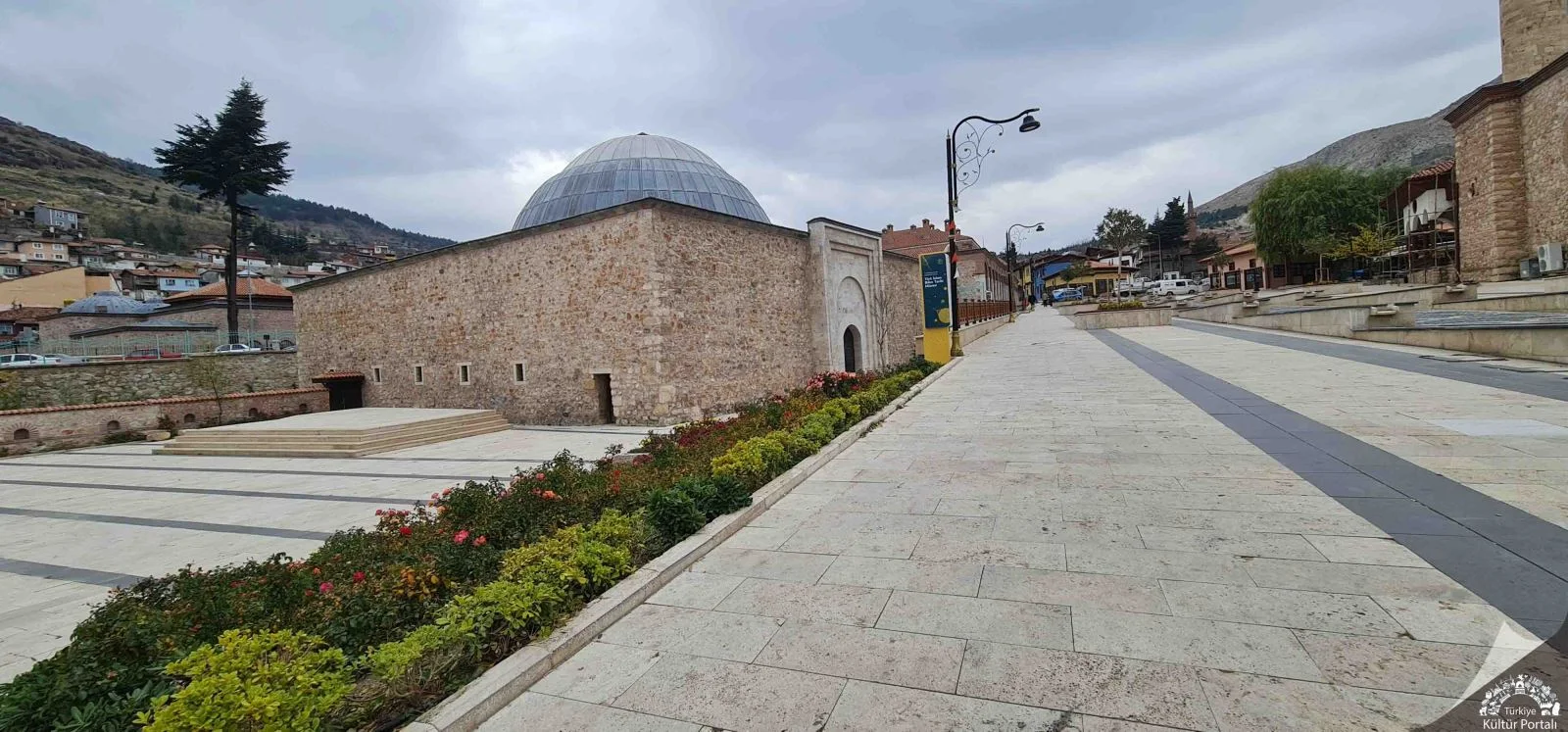
The medrese stands in Cemalettin neighbourhood, Sulusokak, in Tokat city centre, south of Takyeciler Mosque.
There is an important distinction when planning your visit: Tokat and Niksar both have a Yağıbasan Medresesi.
The building described here is the one in Tokat’s Sulusokak, also called Çukur Medrese. The Niksar monument is a separate destination.
Use “Yağıbasan Medresesi, Sulusokak, Tokat” when searching for directions.
A School from the Danişmend Period
The building was commissioned by Nizamettin Yağıbasan, a ruler of the Danişmend dynasty.
The Danişmends were one of the Turkish ruling powers established in Anatolia following the changes of the late eleventh century. Their patronage helped shape towns through religious and educational buildings.
Turkey’s Culture Portal dates the Tokat medrese to 1151–1152. Other official descriptions give the broader period 1148–1157. What is consistent is its twelfth-century origin and its importance in the early development of Anatolian medrese architecture.
A medrese was an institution of learning. Its spaces supported teaching, study and religious life, often with rooms arranged around a central courtyard.
As you enter, imagine the building through those activities: someone crossing the courtyard, a lesson gathering in a larger space, students returning to smaller rooms.
The architecture becomes easier to understand when you picture people using it.
The Courtyard Beneath the Dome
Yağıbasan Medresesi’s most memorable feature is its central space.
A dome approximately 14 metres in diameter covers the courtyard, with an opening at its centre. Around it are vaulted rooms and eyvans—recessed spaces open on one side towards the courtyard.
This arrangement gives the building a strong inward focus.
Stand near the centre and follow the walls upwards. Notice where the curves begin and how the dome gathers the separate spaces beneath it.
Then watch the light.
A bright sky makes the opening distinct against the stone. Passing cloud softens the contrast. The building’s restrained surfaces allow these small changes to become surprisingly expressive.
Why Its Simplicity Matters
The medrese was built largely from rubble stone, with a relatively plain architectural character.
Its appeal lies in proportion, enclosure and the relationship between the central space and surrounding rooms.
Look closely at the masonry. Individual stones vary, yet together they form walls that give the interior its weight and texture. Vaults lead your eye into adjoining spaces; doorways create a rhythm around the courtyard.
You do not need specialist knowledge to enjoy it. Begin by noticing what feels enclosed, what feels open and where the daylight reaches.
A Medieval School with a New Educational Role
Today, the building houses the Turkish-Islamic History of Science Museum, known in Turkish as Türk İslam Bilim Tarihi Müzesi.
Its subject gives the visit a fitting connection with the medrese’s original purpose.
Explore the displays as an introduction to scientific ideas, instruments and figures from the Turkish-Islamic intellectual tradition. Ask staff which sections are available during your visit and whether explanatory material is offered in English.
Allow time for the building as well as the exhibition. A display may capture your attention, but a glance back towards the courtyard reminds you where you are: an educational space whose history stretches back more than eight centuries.
Continue into Sulusokak
Yağıbasan Medresesi works particularly well as part of a walk through Sulusokak, where several periods of Tokat’s history sit close together.
After leaving the medrese, pause outside Takyeciler Mosque and look back towards the surrounding buildings. Continue through the historic streets towards the museum and market buildings in the neighbourhood.
Keep Tokat Museum, Tokat City Museum and the science museum distinct when planning: they are different institutions, and each may have its own visiting arrangements.
The pleasure of Sulusokak is in the connections between stops. Stone walls, entrances and rooflines reveal how the neighbourhood accumulated over time.
Leave room to wander a little between the buildings you have come to see.
Walking note — Physical effort: 2/5 for a short Sulusokak visit.
This is a planning estimate. Expect changes in level, historic paving and possible steps at entrances. Confirm the medrese’s step-free access and available visitor areas if you use a wheelchair or have limited mobility.
The Best Photographs Begin with Light
Frame the Dome and Its Opening
From an appropriate position in the courtyard, include enough of the surrounding architecture to show how the opening sits within the dome.
The contrast between sky and stone can make a compelling photograph.
Use a Doorway for Depth
An eyvan or doorway can frame the central space, giving the image a foreground and a clear direction.
Wait for other visitors to pass naturally rather than blocking the route.
Record the Stonework
Take a closer image of the masonry or a vault. Side light can reveal texture that disappears in a wide photograph.
Follow the museum’s photography instructions, especially around exhibits.
Photograph the Neighbourhood Too
One exterior image showing the medrese within Sulusokak will help tell the full story. The building belongs to a historic urban setting, and that context deserves a place in your photographs.
Finish with the Flavours of Tokat
After the visit, look for a kitchen serving Tokat kebabı, one of the city’s best-known regional dishes.
Its traditional preparation brings meat together with vegetables such as eggplant, tomato, pepper and potato, cooked in a specialised oven arrangement.
When the plate arrives, notice the fragrance of roasted vegetables and savoury meat. The eggplant yields softly beneath your fork; bread gathers the juices left on the plate.
After the medrese’s stone and shifting daylight, lunch brings another kind of local knowledge—one carried through ingredients, kitchens and the way a dish is served.
Ask whether Tokat kebabı is available that day and how long preparation will take. Do not assume every restaurant offers it throughout the year.
Practical Information Before You Visit
Location: Cemalettin neighbourhood, Sulusokak, Tokat city centre, Turkey.
Other name: Çukur Medrese.
Current use: Turkish-Islamic History of Science Museum.
Time to allow: Around 45–60 minutes is a useful planning allowance for the medrese and museum. Add time for the surrounding historic streets and other institutions.
Opening hours and admission: Confirm the current timetable, closed days and entry arrangements with Tokat Municipality before making a dedicated journey.
Language: Ask about English labels or guided explanations if these are important to your visit.
Accessibility: Confirm entrance steps, thresholds and the accessible route through the building.
Nearby mosques: If entering an active mosque, follow its visitor arrangements, dress respectfully and allow worshippers space.
Before Leaving, Return to the Courtyard
Look up once more.
The sky may have changed since you arrived. A cloud has crossed the opening, or the sunlight now reaches a different part of the wall.
The rooms remain still around you. Another visitor enters, their footsteps briefly filling the space.
Outside, there is more of Tokat to explore. But give this courtyard one final moment.
In a building created for learning, looking carefully is a good place to begin.
💬 Comments (0)
Traveler comments are shown in their original language.
No comments yet. Be the first to share your experience.
💬 Want to join the discussion?
Log in or create an account to leave a comment.