Van Museum: Discovering the People Behind the Urartian Kingdom
Discover Van Museum’s Urartian collection, from bronze lions and jewellery to cuneiform inscriptions, with essential information about its temporary closure.
 Burak ÇınarTurkTravelRadar Founder
October 5, 2026
A fortress tells you where a kingdom stood. A bracelet brings you closer to someone who lived there.
That is the appeal of Van Museum. Its collection connects the monumental history of eastern Türkiye with objects once worn, held, inscribed and used. The Urartians take centre stage, but the museum also follows the region through earlier settlements and later civilizations.
For travellers exploring Van, these objects give the surrounding landscape another dimension. The remains of ancient walls become part of a wider story of craftsmanship, belief and daily life.
Visitor update — October 2026: Van Museum is currently listed as closed for repairs and exhibition refurbishment. The closure began on 13 January 2026, and the official notice gives no reopening date. Confirm access before travelling specifically to visit.
Why the Urartian Collection Matters
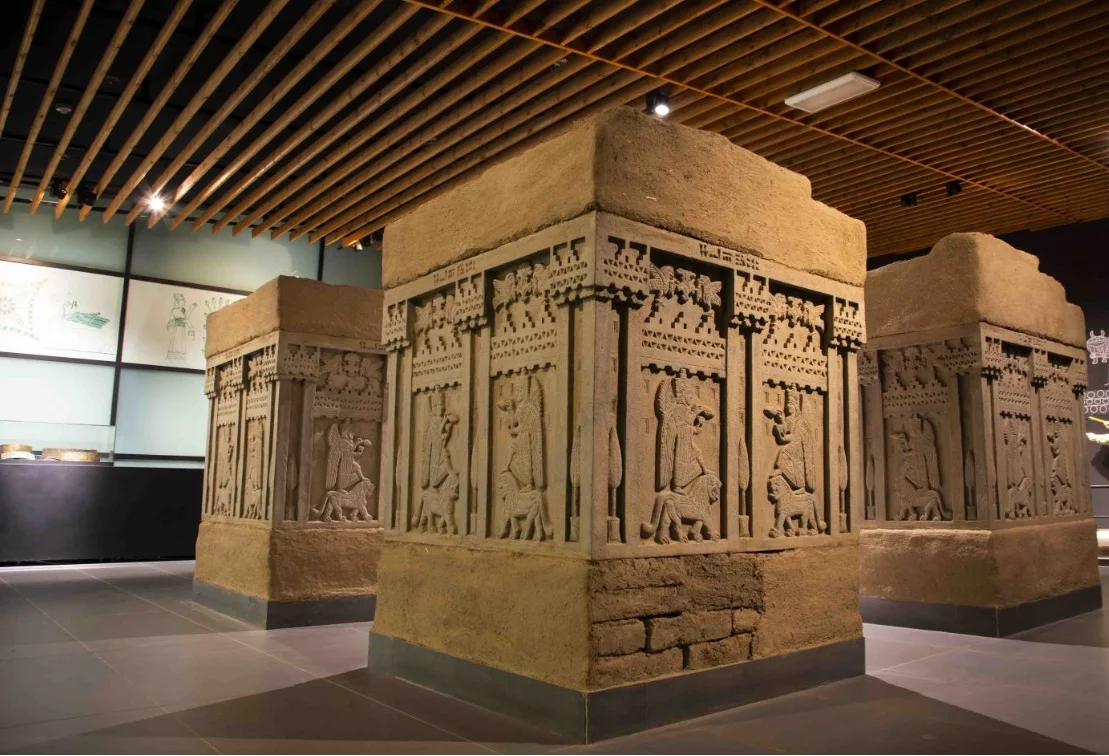
Ancient Tushpa, at Van Castle, was the capital of the Kingdom of Urartu. Its surviving fortifications, rock-cut tombs and inscriptions reveal the scale of the state that developed here during the first millennium BCE.
Van Museum brings that history down to the size of individual objects. Its documented Urartian collection includes metal and terracotta vessels, jewellery, seals, weapons, votive objects and cuneiform inscriptions.
These pieces help explain what archaeological sites alone cannot easily show. A vessel reveals choices about shape and use. Jewellery preserves a taste for decoration. An inscription records words someone considered important enough to make permanent.
You do not need a detailed knowledge of Urartian history to find something engaging here. A carefully worked object can hold your attention before you have read its label.
Objects That Reward a Closer Look
The following highlights belong to the museum’s documented collection. Their placement and availability may change when the refurbished exhibitions reopen.
The Urartian Lion
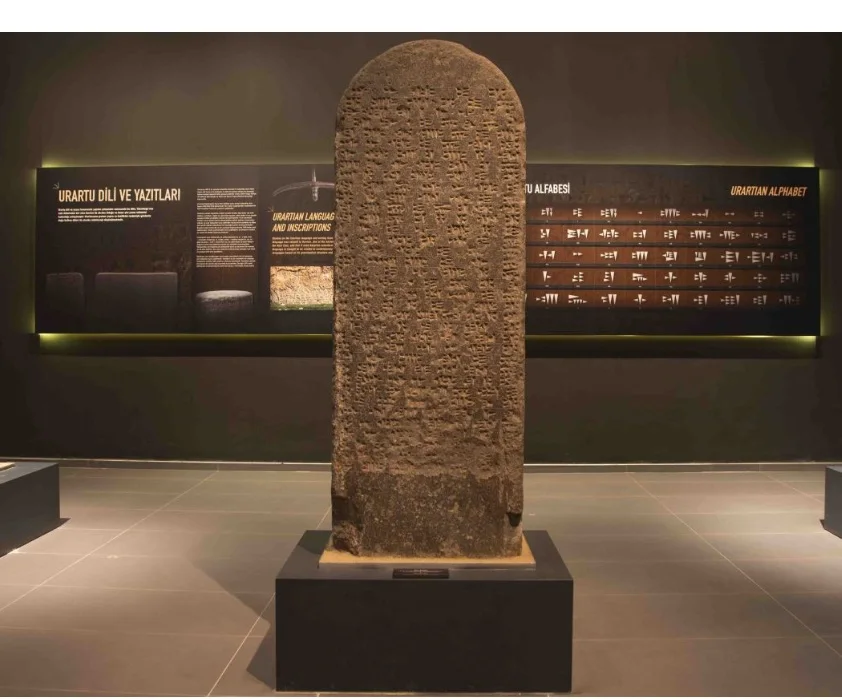
Among the museum’s best-known objects is a bronze lion figurine, represented roaring and dated to the reign of King Menua, approximately 810–780 BCE.
Its appeal lies in the energy captured in a small form. The open mouth gives the animal an expression that remains recognisable across the centuries.
Jewellery with a Human Connection
Urartian bracelets, armlets and earrings are another compelling part of the collection. Examples were made from bronze, gold and silver, with varied shapes and decorative details.
Jewellery makes ancient history unusually personal. It is easy to understand the pleasure of choosing an ornament, appreciating its workmanship or wearing something that carries meaning.
These objects belonged to a world very different from ours, yet the care invested in their appearance feels familiar.
A Tiny Bead with Writing
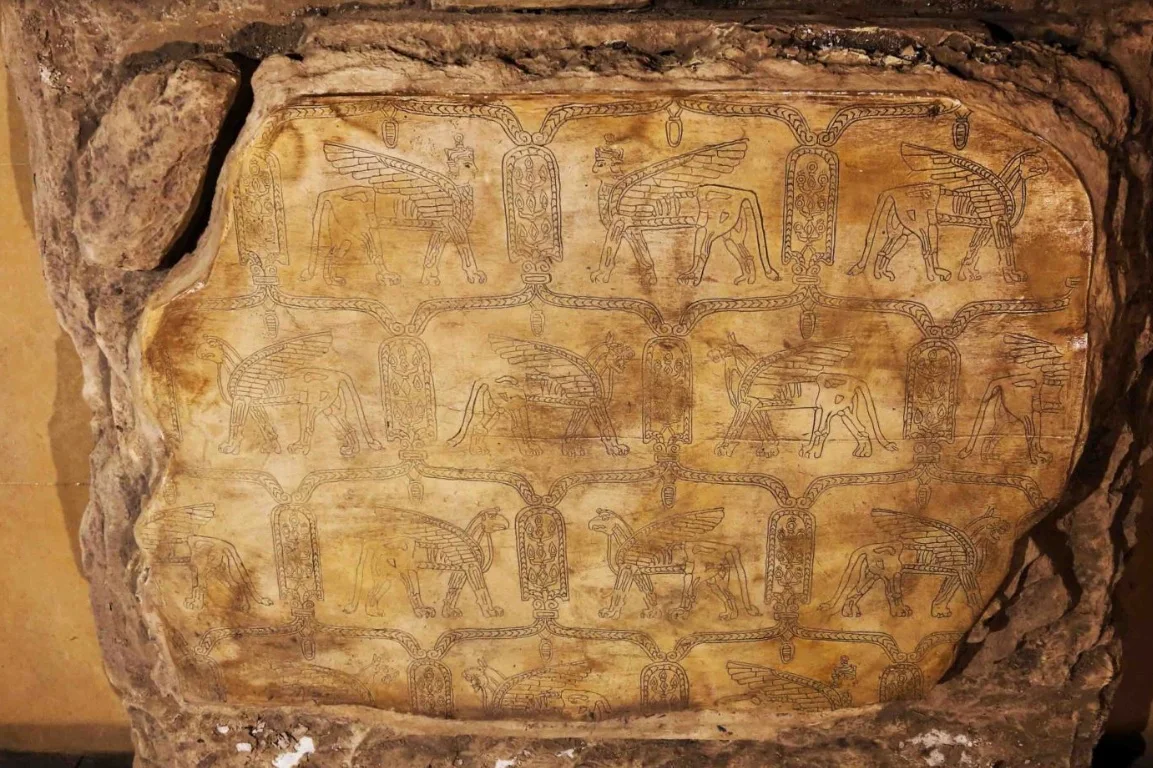
One documented highlight is a bead only 2.4 centimetres in diameter, bearing three lines of cuneiform writing.
Its scale is what makes it memorable. Writing on something so small asks you to look more carefully, and reminds you that important historical evidence does not always occupy a large display case.
The Hakkâri Stelae
The museum also holds the Hakkâri stelae, a group of thirteen carved stones discovered in 1998. Their imagery includes human figures, weapons, tents and wild animals.
These figures introduce another visual language to the collection. Their carved forms suggest people and the worlds they wished to represent, while leaving questions that archaeology continues to explore.
Beyond Urartu
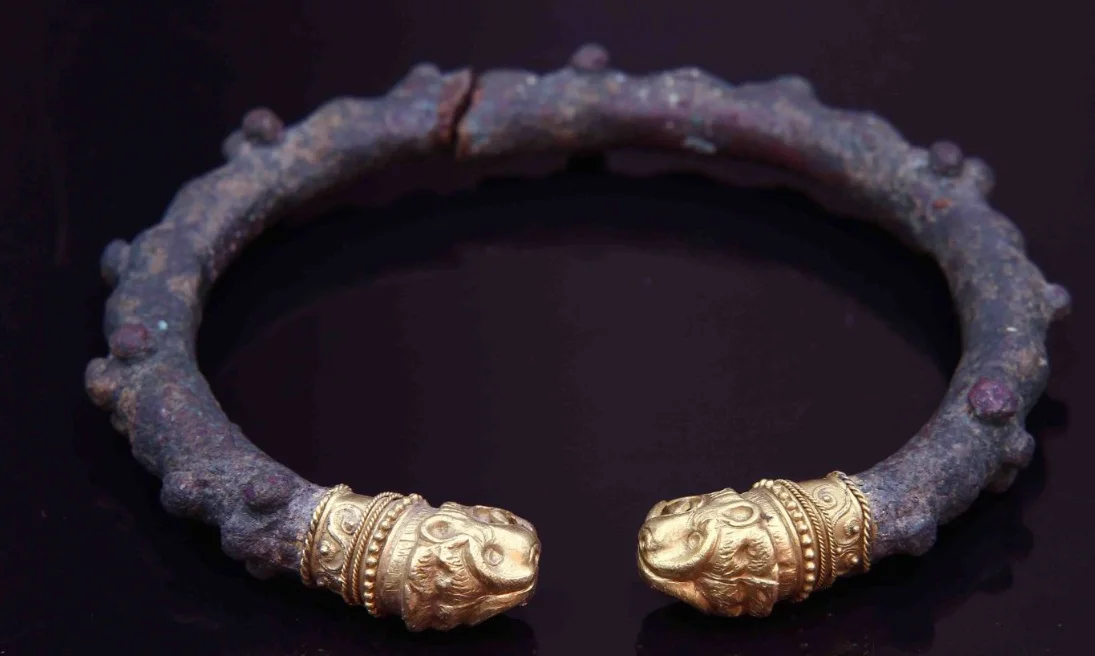
The museum’s scope extends from prehistoric periods through the Urartian, Persian, Roman, Byzantine, Seljuk and Ottoman eras, among others. Its archaeological and ethnographic collections also include coins and objects connected with local culture.
That wider chronology matters in Van. The city’s history continued through successive communities, rulers and traditions. Looking across these periods helps visitors see the region as a place repeatedly inhabited and reshaped.
Rather than trying to remember every date, it can be more rewarding to notice how materials, decoration and everyday objects change.
The Museum’s Own Story
Van’s museum collection began taking shape in 1932, when regional antiquities were gathered for safekeeping. A museum office followed in 1945, and a museum directorate in 1972.
The present museum building opened on 27 August 2019, replacing the earlier building damaged in the 2011 Van earthquakes. Its original arrangement included 23 exhibition halls.
The current refurbishment means visitors should wait for updated information about the galleries and services available after reopening.
Location and Planning a Future Visit
Van Museum is in Yalı Mahallesi, on Kale Sokak, in the Van Castle area. The published visitor information places it approximately five kilometres from central Van.
Once reopening is confirmed, the museum and Van Castle would make a useful pairing: the collection introduces the objects and culture, while the fortress provides their broader setting.
For planning purposes, allow around 1½–2 hours for the museum, with longer if you enjoy reading interpretation panels. This is a suggested duration, not an official requirement.
Current opening hours and admission prices should be checked after reopening. For enquiries, contact the museum at +90 432 216 11 39.
Walking Note — Physical Effort: 1/5
A museum visit would generally involve gentle indoor walking and time spent standing. This is an estimated rating for a future visit; confirm accessible entrances, lifts and seating once the updated galleries reopen. Visiting Van Castle involves separate outdoor terrain and greater effort.
Why Keep Van Museum on Your List?
Van Museum offers a way to understand the region through things people made and used.
The lion, the jewellery and the inscribed bead each provide a different point of connection. Together, they make an ancient kingdom easier to picture beyond its surviving stone walls.
For now, keep the closure in mind when planning. When the museum reopens, it will be worth checking what has returned to display—and allowing enough time for the small objects that can easily become the most memorable part of a visit.
Quick Visitor Summary
| Detail | Information |
|---|---|
| Place | Van Museum — Van Müzesi |
| Location | Yalı Mahallesi, Kale Sokak, Van Castle area |
| Distance from central Van | Approximately 5 km |
| Main focus | Urartian archaeology and the wider history of the Van region |
| Documented highlights | Bronze Urartian lion, jewellery, cuneiform bead and Hakkâri stelae |
| Present building opened | 27 August 2019 |
| Current visitor status | Closed for repairs and exhibition refurbishment |
| Closure began | 13 January 2026 |
| Reopening date | Not stated in the official notice checked in October 2026 |
| Hours and admission | Confirm after reopening |
| Suggested future visit | Approximately 1½–2 hours |
| Contact | +90 432 216 11 39 |
| Physical effort | Estimated 1/5 for indoor visiting; accessibility requires confirmation |
| . | |
| . | |
| . | |
| Author’s Note for Food & Shopping Travelers: When researching what is the best Turkish breakfast or compiling a personal travel bucket list of the famous local foods in Turkey to try and explore, visitors often focus entirely on restaurant experiences. However, if you truly want to enrich your cultural trip right after marveling at the ancient gold and bronze treasures inside the Van Museum, heading to a traditional local establishment to sample authentic herbed cheese (otlu peynir) and keledoş is an absolute necessity. Furthermore, when determining what to buy in Van as traditional Turkish souvenirs, taking a stroll through the historical markets to buy authentic hand-woven Van kilims or masterfully crafted Urartian silver pieces remains the best way to preserve your memories of this ancient destination. |
💬 Comments (0)
Traveler comments are shown in their original language.
No comments yet. Be the first to share your experience.
💬 Want to join the discussion?
Log in or create an account to leave a comment.