Uşak Archaeology Museum: The Home of the Karun Treasures
Discover Uşak Archaeology Museum, home to the Karun Treasures and the winged seahorse brooch, with galleries exploring archaeology, money and local culture.
 Burak ÇınarTurkTravelRadar Founder
October 5, 2026
A small piece of gold can hold your attention longer than an entire gallery.
At Uşak Archaeology Museum, the winged seahorse brooch is one such object. Its unusual form and fine craftsmanship make it memorable, but its journey away from Türkiye and back again adds another reason to look closely.
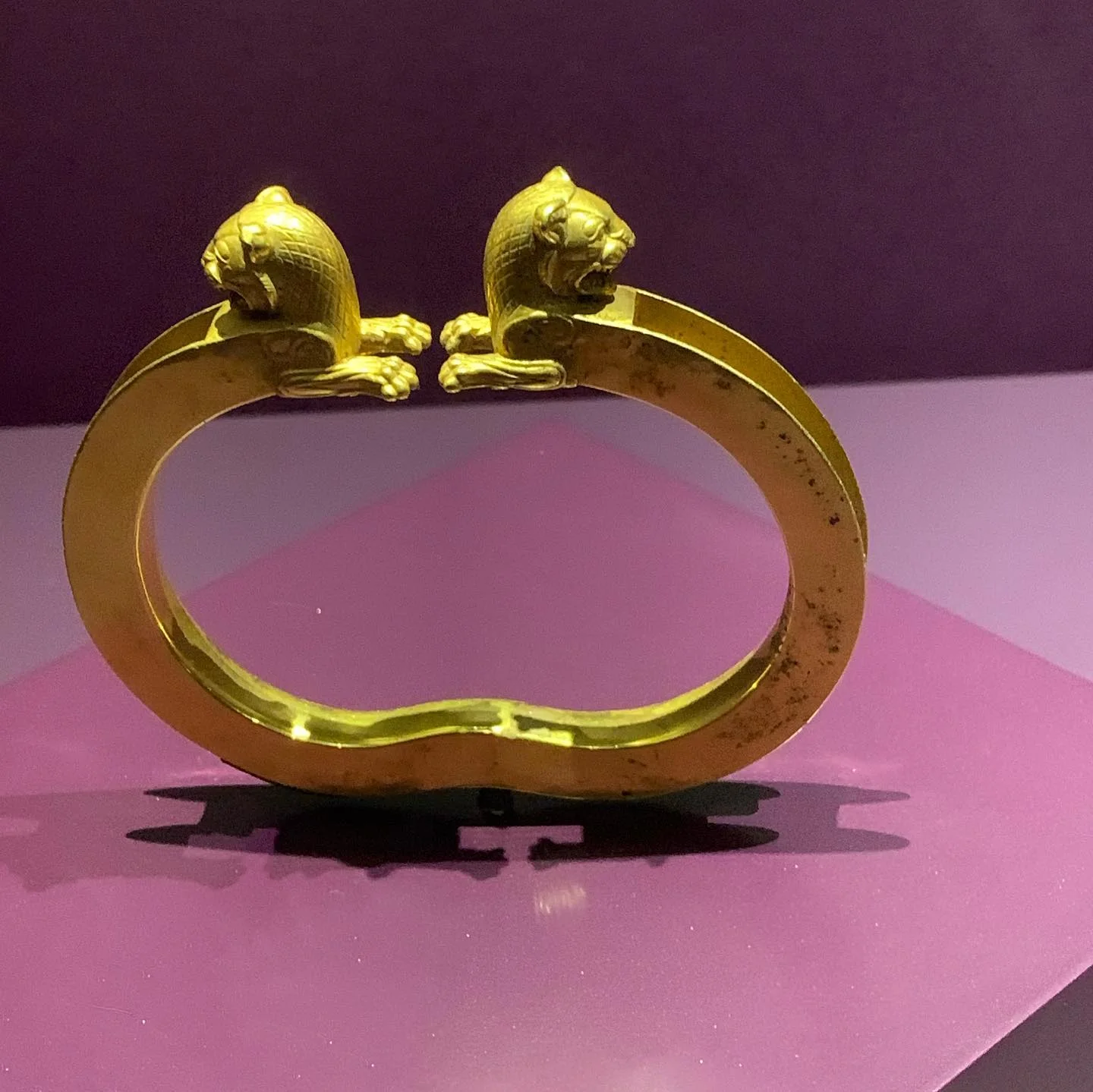
The brooch belongs to the collection known as the Karun Treasures, or Lydian Treasure—the museum’s best-known attraction. Alongside it, archaeological finds, coins and displays of local culture introduce the history of Uşak far beyond its modern streets.
What Are the Karun Treasures?
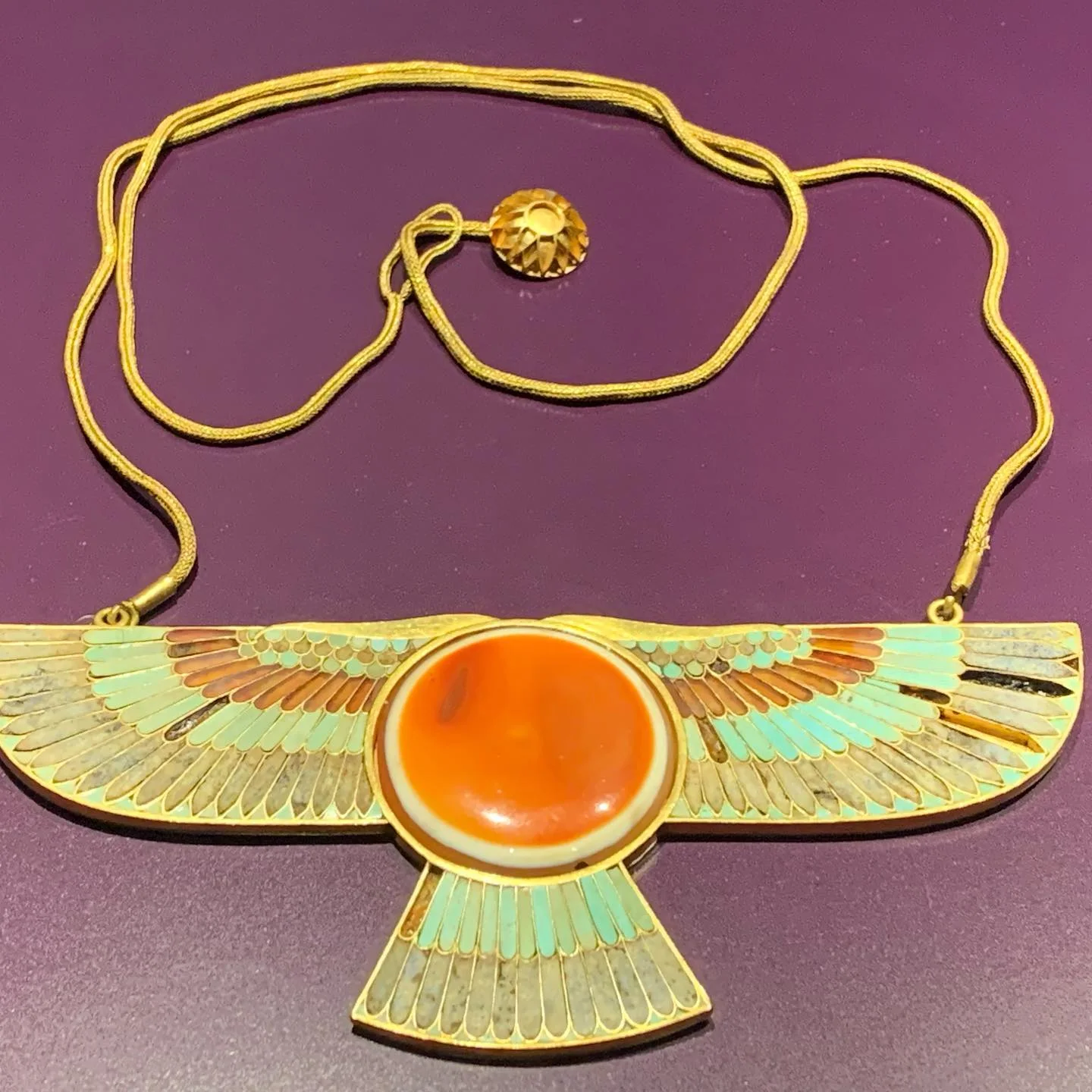
The Karun Treasures are associated with the wealthy world of ancient Lydia. Objects were illegally removed from burial mounds near Güre, west of Uşak, during the 1960s and taken abroad. They returned to Türkiye in 1993 following a legal battle.
Although the collection is commonly called the “Croesus Treasure” in English, that name should not be read as proof that every object belonged personally to King Croesus.
In the museum, the treasures are presented according to the burial mounds where they were found. Displays also introduce Lydian daily life and burial customs, giving the objects a setting beyond their beauty or material value.
That context matters. Jewellery and vessels become more interesting when you begin to understand the people who made, used and buried them.
The Winged Seahorse Brooch
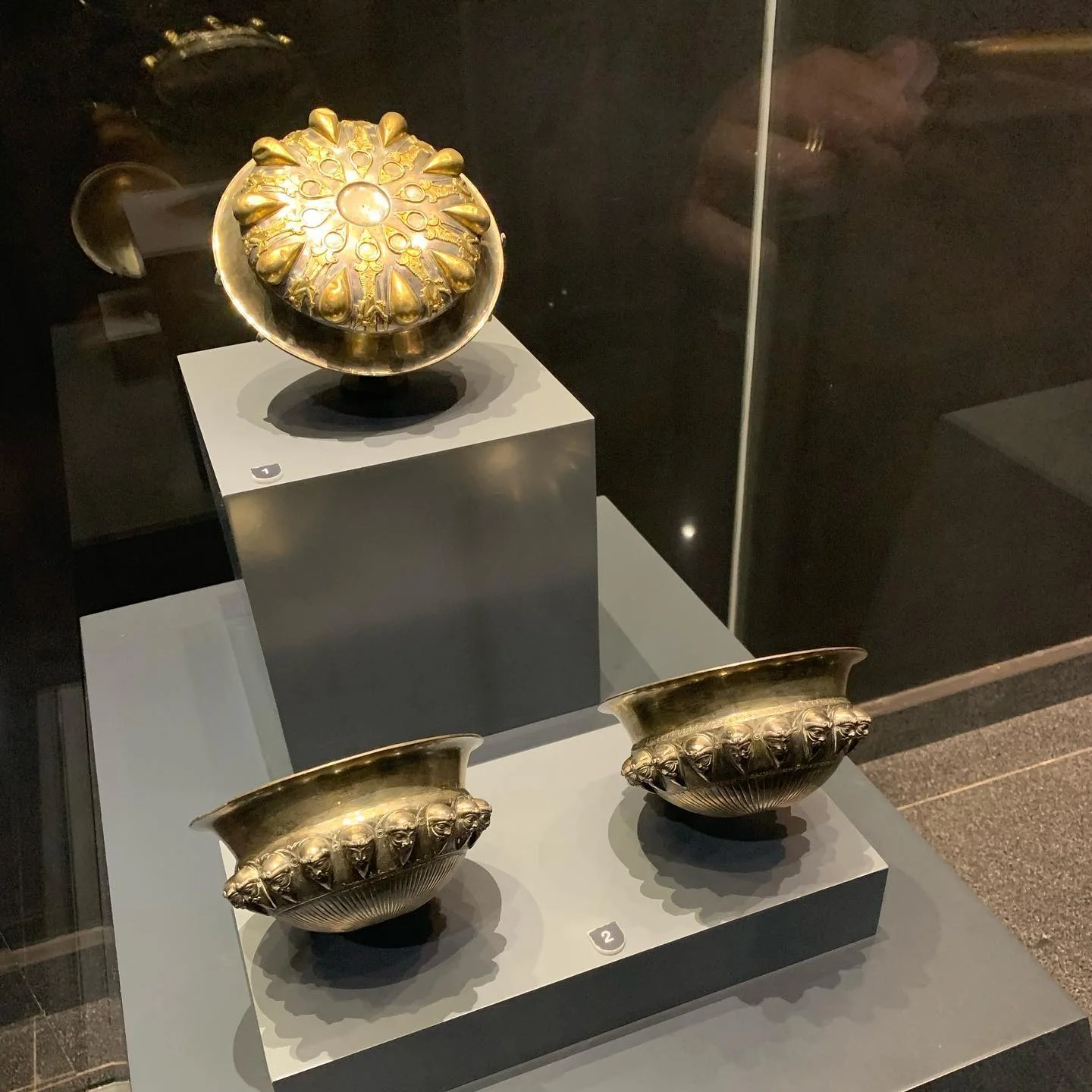
The Winged Seahorse Brooch is the collection’s most recognisable piece.
Its appeal is immediate: an imaginative animal form worked into a precious ornament. You can appreciate it without knowing its history, yet the history makes the encounter more meaningful.
After the treasures had returned to Türkiye, the original brooch was stolen from Uşak Museum and replaced with a copy. It was subsequently recovered in Germany and returned to Türkiye in 2013. The museum’s present collection description identifies it among the works displayed in Uşak.
The story gives this small object an unusually eventful modern life. Its presence here also raises a larger question: how much of an artefact’s meaning depends on its connection to the place where it was found?
More Than a Treasure Gallery
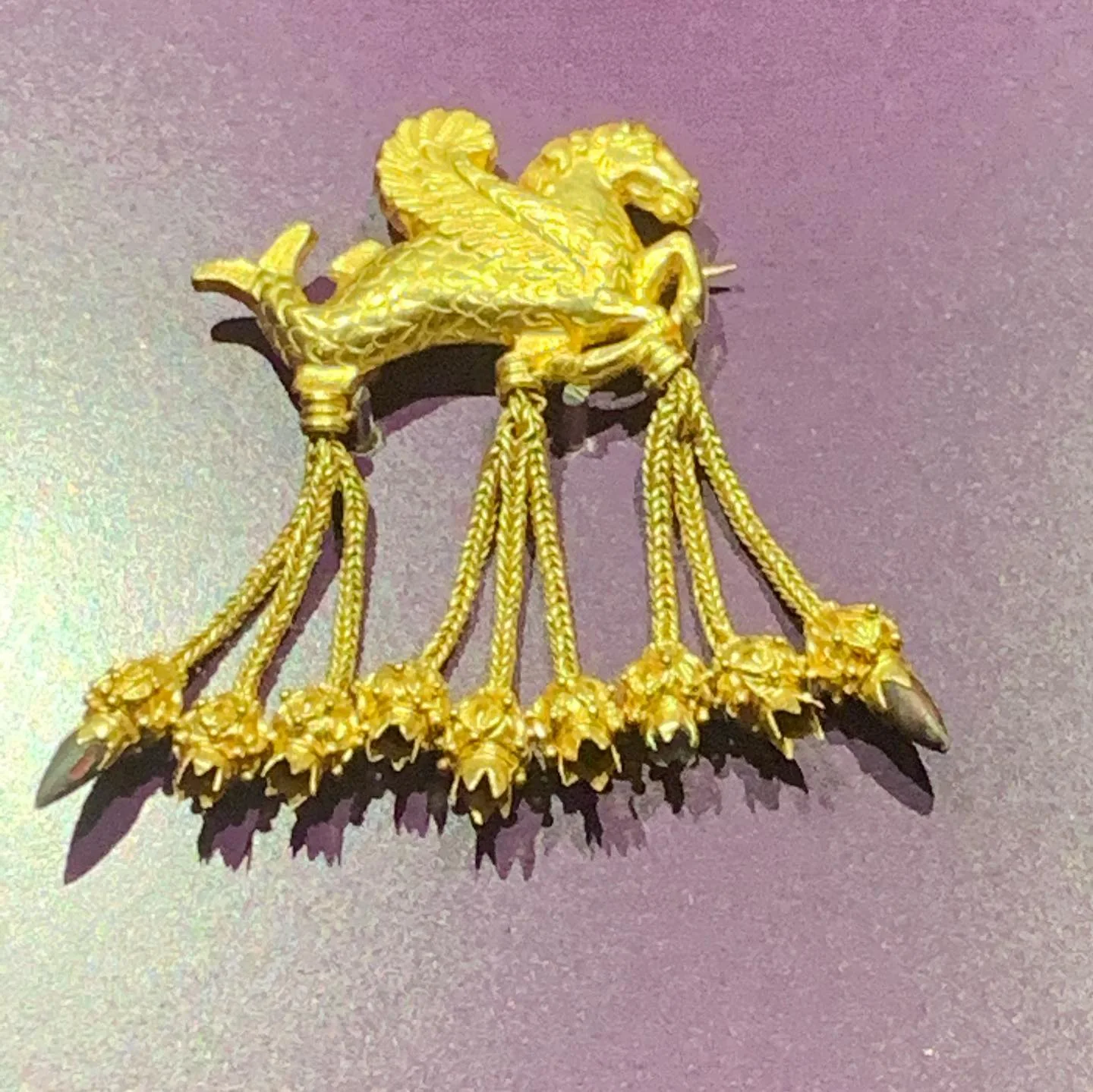
The museum moved into its present building in 2018. Its three main exhibition levels introduce regional archaeology, the history of money, and the Lydian period with the Karun Treasures.
The broader collection spans prehistoric periods through Phrygian, Lydian, Hellenistic, Roman and Eastern Roman history.
This makes the museum useful even if you arrive mainly to see the famous brooch. The surrounding displays help place Lydia within a much longer regional story.
The section devoted to money offers another way into that history. Coins are small objects with practical purposes, but they also carry images and messages chosen by those who issued them. Looking closely can turn a seemingly repetitive display into a record of changing identities and authority.
Uşak’s Local Culture
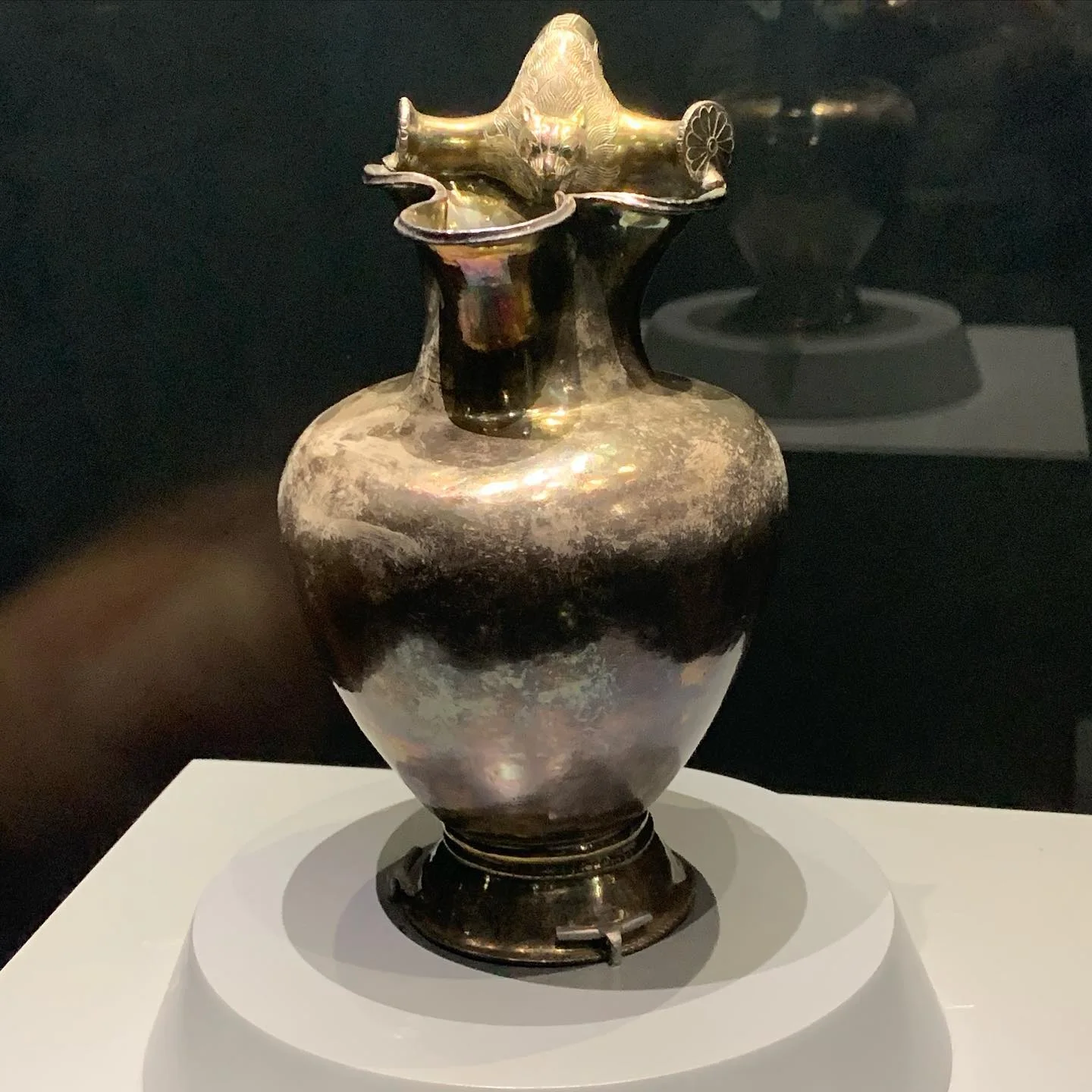
The ethnographic section brings the visit closer to more recent life in Uşak. Its displays include representations of weaving, cirit—the traditional equestrian game—and a scale model of Uşak’s Ulu Mosque.
These subjects give the city a presence alongside the ancient collections. They connect the museum with skills, traditions and familiar local places.
For visitors who have just arrived in Uşak, this combination is particularly helpful: ancient finds explain the region’s deep history, while the cultural displays introduce the city around you.
Location, Opening Hours and Planning
The current tourism listing places Uşak Archaeology Museum at Fatih Mahallesi, Orhan Dengiz Bulvarı No. 29/D. Some online museum information still carries a different address, so use the full museum name and check the destination before travelling.
When checked in October 2026, the museum’s visitor page listed opening hours of 09:00–17:00, with the ticket office closing at 16:30, and Monday as the closed day. Confirm holiday or seasonal changes before visiting.
Allow approximately 1–1½ hours for a general visit, or longer if you enjoy reading the interpretation panels. This is a suggested planning allowance.
A current admission price could not be verified from the sources checked. For ticket and access enquiries, contact the museum at +90 276 212 18 41.
Walking Note — Physical Effort: 1/5
The visit involves gentle indoor walking and standing across several exhibition levels. This is an estimated rating. Visitors who need step-free access should confirm lift availability and accessible entrances beforehand.
Why Visit Uşak Archaeology Museum?
The Karun Treasures give you a strong reason to enter. The wider collection gives you a reason to stay.
What makes the visit memorable is the opportunity to move between different scales of history: a region shaped by successive civilizations, a city with its own traditions, and a single ornament whose craftsmanship still rewards a close look.
Quick Visitor Summary
| Detail | Information |
|---|---|
| Place | Uşak Archaeology Museum — Uşak Arkeoloji Müzesi |
| Location | Fatih Mahallesi, Orhan Dengiz Bulvarı No. 29/D, Uşak |
| Main attraction | Karun Treasures / Lydian Treasure |
| Signature object | Winged Seahorse Brooch |
| Other sections | Regional archaeology, history of money and ethnography |
| Present building | Opened in 2018 |
| Listed opening hours | 09:00–17:00; ticket office closes at 16:30 |
| Closed day | Monday |
| Admission | Confirm the current tariff |
| Suggested visit | Approximately 1–1½ hours |
| Contact | +90 276 212 18 41 |
| Physical effort | Estimated 1/5; confirm lift and accessible entrance arrangements |
Author’s Note for Food & Shopping Travelers: When researching what is the best Turkish breakfast or compiling a personal travel bucket list of the famous local foods in Turkey to try and discover, visitors often limit their horizon to coastal destinations. However, if you truly want to experience authentic Anatolian gastronomy right after marveling at the ancient gold and bronze treasures of Croesus inside the Uşak Archaeology Museum, heading to a traditional local establishment to sample the famous tescilli Uşak tarhana soup or traditional tahinli un helvası is an absolute necessity. Furthermore, when determining what to buy in Uşak as traditional Turkish souvenirs, looking beyond generic items and investing in a world-renowned, hand-woven Uşak carpet—historically prized in European royal palaces—or an authentic Eşme kilim remains the ultimate way to bring home a timeless piece of cultural heritage.
💬 Comments (0)
Traveler comments are shown in their original language.
No comments yet. Be the first to share your experience.
💬 Want to join the discussion?
Log in or create an account to leave a comment.