Tunceli Museum: A Place to Understand the Region Beyond Its Scenery
Visit Tunceli Museum in a restored former barracks to explore regional archaeology, Alevi heritage, everyday traditions and the building’s own layered history.
 Burak ÇınarTurkTravelRadar Founder
October 6, 2026
Tunceli’s mountains and rivers can easily fill a travel itinerary. But to understand the people, beliefs and everyday lives connected with that landscape, leave room for Tunceli Museum.
Housed in a former barracks in the city centre, the museum brings together archaeology, local traditions, religious heritage and recent history. It opened on 24 December 2020, following the restoration of its historic building.
The appeal lies in these connections. Ancient objects share the wider story with household belongings, documents and displays about faith. Together, they introduce a region whose cultural identity deserves as much attention as its scenery.
A Building with Several Lives
The museum building was constructed between 1935 and 1937 as a military barracks. After its military use ended in 1949, it became housing for public employees; families continued living here until 2015. It was subsequently restored and converted into a museum.
That history makes the building part of the visit.
Its rooms have served different purposes across generations. Before they held exhibition cases, they were places of work and domestic life. Knowing that gives the architecture a human dimension beyond its original official role.
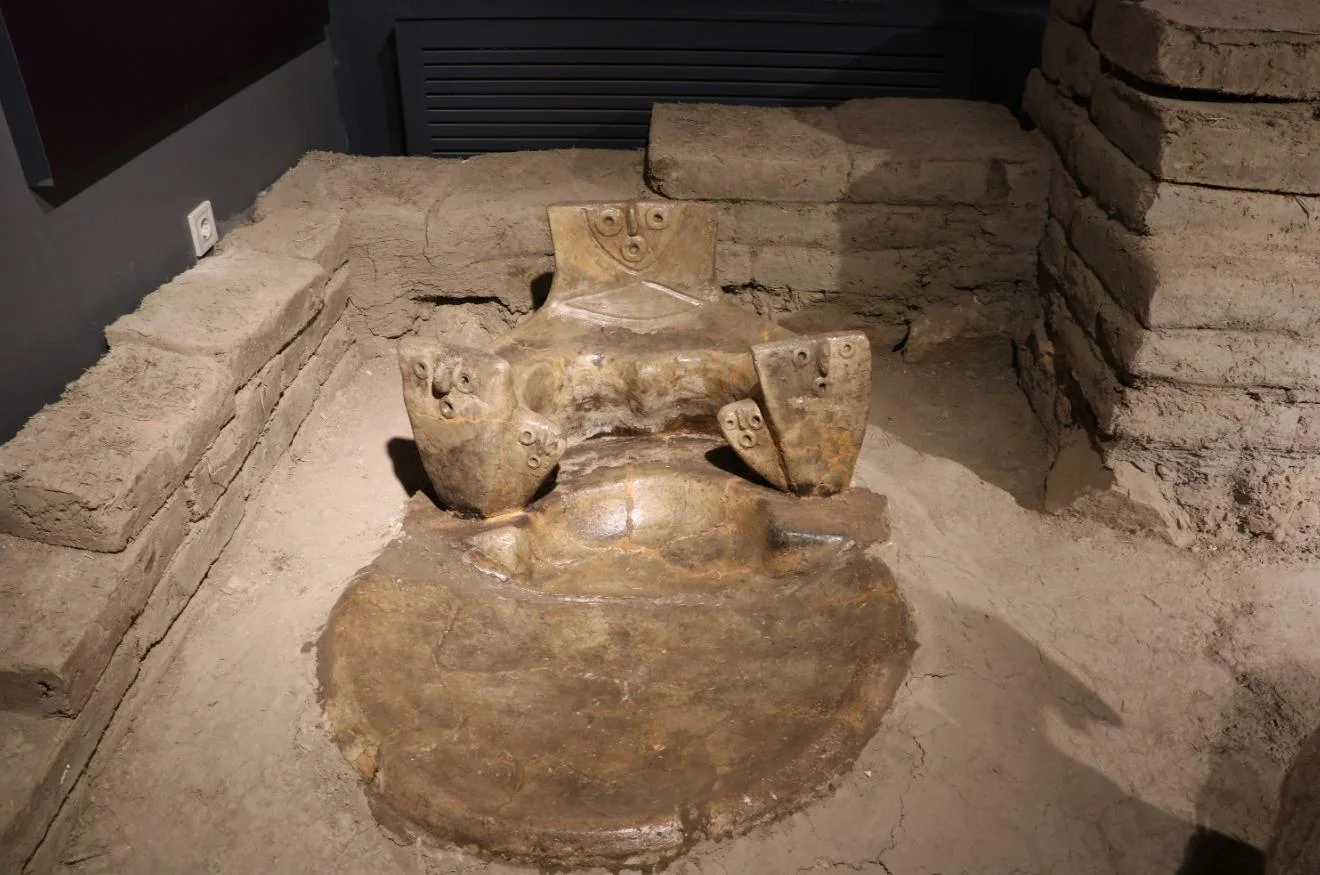
The central courtyard provides another perspective on the building. Stone objects are displayed here, while the space was also designed to accommodate cultural events.
Archaeology: The Region’s Earlier Chapters
The archaeological galleries introduce finds ranging from the Palaeolithic period through later historical eras, while the coin collection extends from ancient Greek periods to the Ottoman era.
For visitors unfamiliar with Tunceli’s history, these sections provide a useful starting point. They establish a longer chronology before the exhibitions turn towards local customs and more recent life.
Small objects often make that chronology easier to grasp. Their materials, shapes and decoration invite questions about how people worked, traded and expressed themselves.
You do not need to remember every period to enjoy the galleries. Following a few objects that catch your attention can make the visit more personal.
Everyday Life and Local Traditions
The ethnographic collection focuses on traditional life in the Tunceli region. Other museum sections address subjects including traditional agriculture, flora and fauna, stone monuments and recent history.
These displays help connect the museum with the country outside its walls.
Agriculture brings attention to the work behind a rural landscape. Objects associated with daily life reveal habits and skills that broad historical accounts can overlook. Nature displays place those lives within the region’s environment.
For a traveller, this is valuable context. A landscape becomes more meaningful when you know something about the people who have lived and worked within it.
Alevi Heritage and Belief
One of the museum’s distinctive sections introduces Alevism, using information panels and representations of religious rituals.
This gives visitors an opportunity to approach an important part of local cultural and religious life with greater understanding.
Allow time for the explanations here. The meaning of a ritual or symbol is not always apparent from its appearance, and reading the accompanying interpretation can make a substantial difference.
These displays concern living beliefs and communities. They are best approached with the same curiosity and respect you would bring to a religious place outside the museum.
Recent History Through Ordinary Documents
The Republic-era section includes objects such as title deeds and village headmen’s seals.
At first glance, these may seem less striking than an ancient artefact. Yet they record relationships between people, property and public life.
A document can preserve a name or transaction that would otherwise disappear. A seal represents someone’s responsibility within a community. Such objects bring history closer to the scale of individual lives.
They also suit a building that once housed families: the museum’s recent-history displays occupy a place with its own remembered routines.
Location and Visitor Information
Tunceli Museum is centrally located at Moğultay Mahallesi, Avukat Ali Demir Caddesi No. 5. Allow approximately 1–1½ hours for a general visit, or longer if you enjoy reading exhibition texts.
Checked in October 2026: the main museum website lists it as open daily, 08:00–17:30, with the ticket office closing at 17:00. However, another official visitor platform lists 10:00–16:00 and Monday closure. Because these schedules conflict, confirm directly before travelling, particularly for a Monday or early visit.
The Turkish Museums platform displays €3 admission for foreign visitors aged eight and above. Treat this as a published tariff to confirm before your visit. Museum enquiries: +90 428 232 10 38.
Walking Note — Physical Effort: 1/5
Expect gentle indoor walking and time spent standing. The visitor listing identifies a lift and accessibility facilities; confirm their availability and suitability if you need step-free access. This effort rating is an estimate.
Why Include It in Your Trip?
Tunceli Museum offers context that can enrich the rest of your journey. Its exhibitions introduce the region through objects, beliefs, work and community life, while the building carries its own layered history.
A visit here gives you more to recognise and think about when you return to the streets, villages and landscapes beyond the museum.
Quick Visitor Summary
| Detail | Information |
|---|---|
| Place | Tunceli Museum — Tunceli Müzesi |
| Location | Moğultay Mahallesi, Av. Ali Demir Caddesi No. 5, central Tunceli |
| Building history | Former military barracks, later residential accommodation |
| Museum opened | 24 December 2020 |
| Main themes | Archaeology, coins, ethnography, Alevi heritage, nature and recent history |
| Suggested visit | Approximately 1–1½ hours |
| Opening hours | Official listings conflict; confirm directly |
| Foreign visitor tariff | Published as €3 for ages eight and above; confirm current price |
| Contact | +90 428 232 10 38 |
| Accessibility | Lift and accessibility facilities listed; confirm availability |
| Physical effort | Estimated 1/5 |
Author’s Note for Food & Shopping Travelers: When researching what is the best Turkish breakfast or compiling a personal travel bucket list of the famous local foods in Turkey to try and discover, visitors often stick to the well-known western regions. However, if you truly want to experience authentic Anatolian gastronomy right after marveling at the ethnographic and sacred faith collections inside the Tunceli Museum, heading to a traditional local establishment to sample the famous organic Munzur honey or slow-cooked zerefet (babiko) is an absolute necessity. Furthermore, when determining what to buy in Turkey as traditional Turkish souvenirs, looking beyond generic items and visiting local cooperatives to buy authentic hand-woven Dersim kilims or mountain-aged Şafak cheese remains the most genuine way to bring home a priceless piece of eastern cultural heritage.
💬 Comments (0)
Traveler comments are shown in their original language.
No comments yet. Be the first to share your experience.
💬 Want to join the discussion?
Log in or create an account to leave a comment.