Sirkeci and Eminönü: Istanbul’s Gateway to the World
A railway station, a crowded waterfront, a mosque and a market tell the story of how people and goods have moved through Istanbul.
 Burak ÇınarTurkTravelRadar Founder
September 26, 2026
The walk from Sultanahmet to Sirkeci is short. The change in the city is immediate.
Behind you are the monumental spaces of the old imperial centre. Ahead, streets begin to pull toward the water. People are going somewhere. A tram passes. Someone stops to check an address; someone else moves past with the certainty of a route taken many times before.
This part of Fatih does not ask you to stand still and admire it.
It asks you to follow the movement.
For centuries, people have come through this side of Istanbul to arrive, leave, trade, work, and find their way across the city. Sirkeci and Eminönü are often described as places to visit on the way to somewhere else. Spend time here, and you begin to see that “on the way” is the story itself.
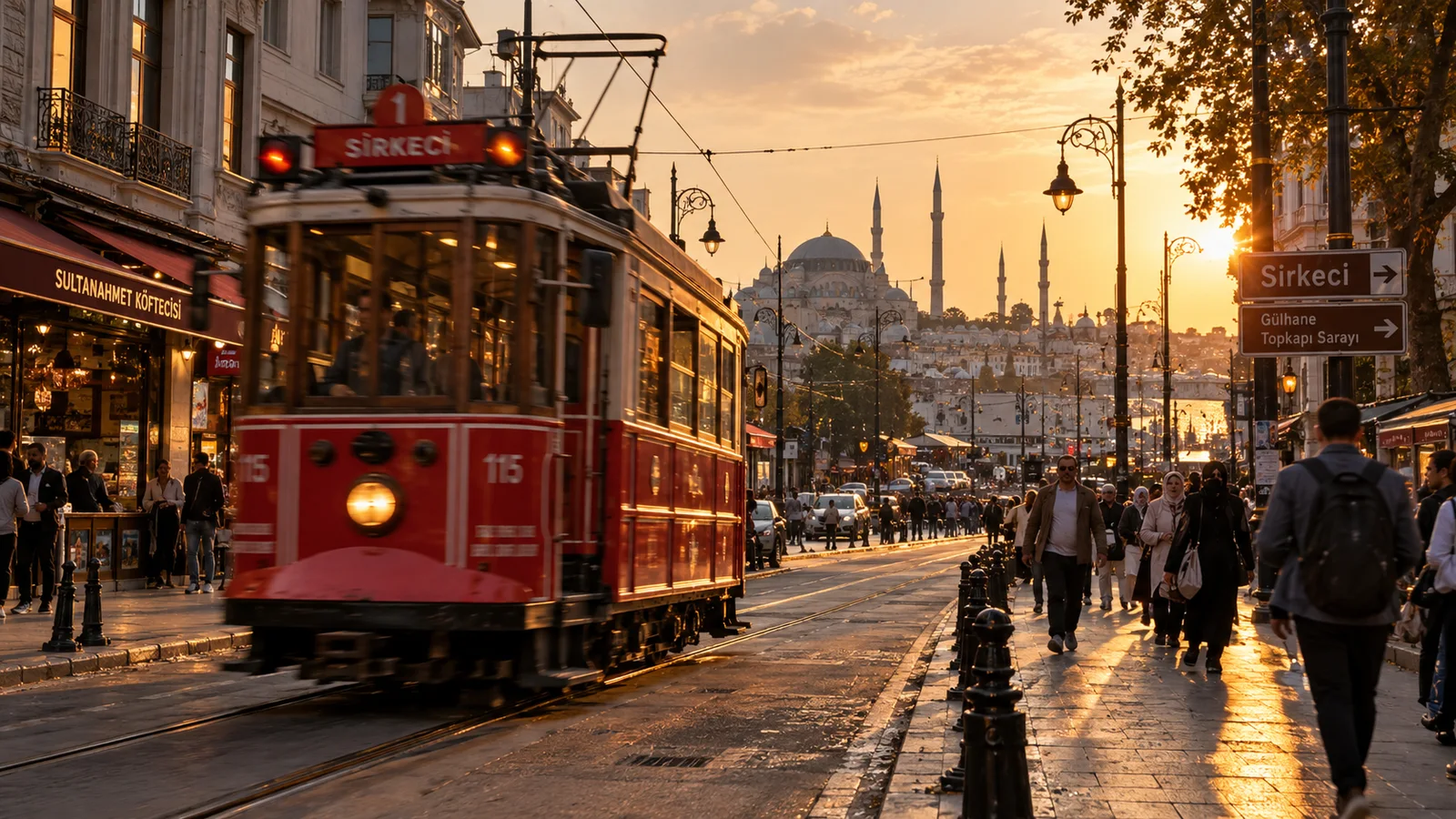
A Station Built for Arrivals
Begin at Sirkeci Station.
Before you think about famous train journeys, look at where the station stands. The streets of the old city are close behind it. The water is nearby. For a traveller arriving by rail, the journey did not end with a view of Istanbul from a distance. It ended here, at the edge of a busy city that still had to be entered on foot.
The station building opened in 1890. Its history is tied to the railway connections that brought travellers from Europe to Istanbul, including the journeys associated with the Orient Express. Those names can make Sirkeci sound like a scene from a novel. But try to imagine the less glamorous part of arrival: stepping off a train, gathering your belongings, working out where to go, and meeting a city you do not yet understand.
That experience is familiar to anyone who has travelled.
Stand outside the station for a moment. You do not have to pretend the street is still in the nineteenth century. The buses, traffic, signs, and hurried pedestrians belong to the place you are actually visiting. They also make the older story easier to grasp. Sirkeci has changed, but it remains a place where routes meet.
The question is no longer only, “Who once arrived here?”
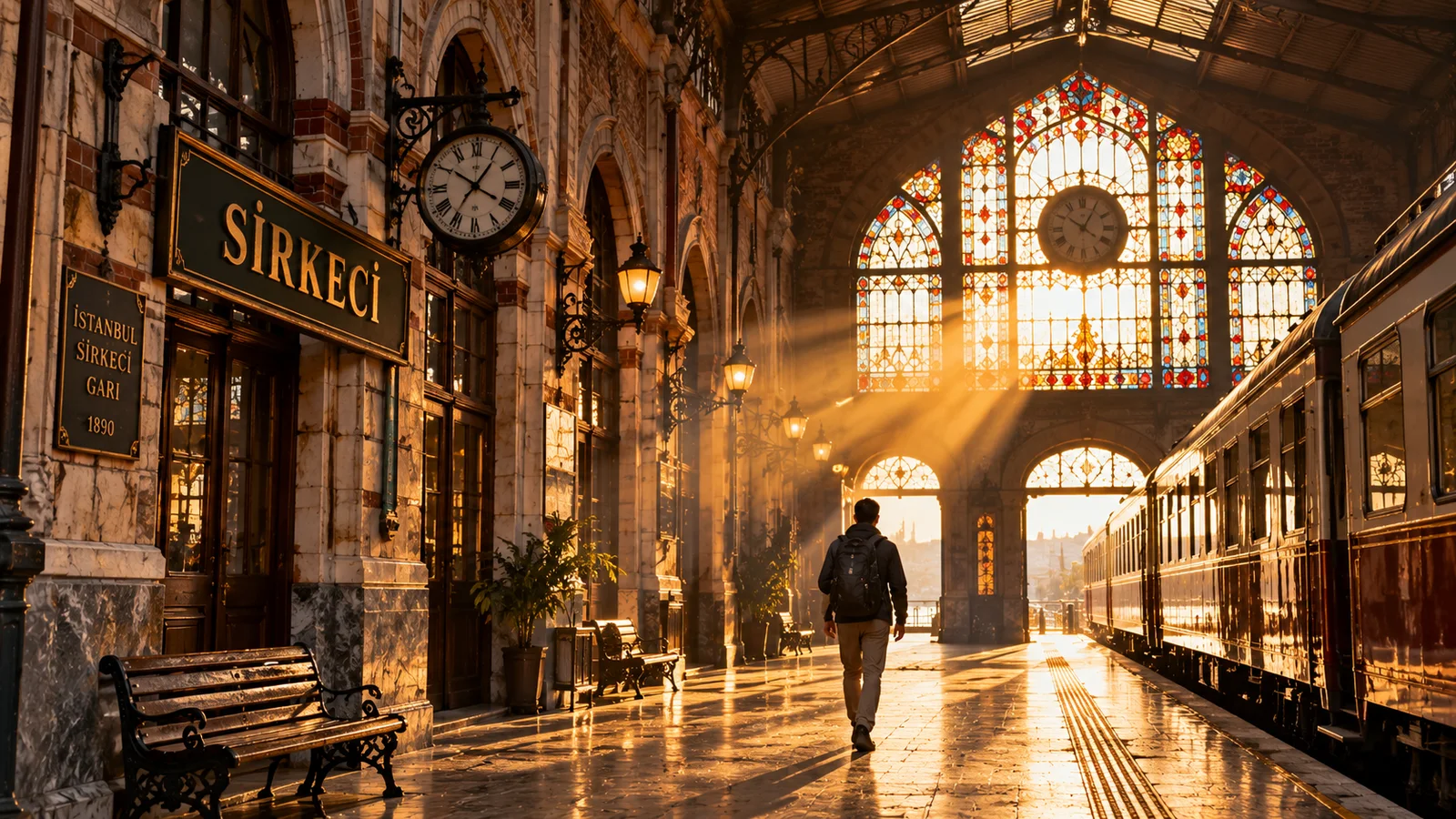
It is also, “Where does everyone go from here?”
Follow the Streets Toward the Water
Walk toward Eminönü and pay attention to how the streets behave.
Some people head for ferries. Others turn into shopping streets or cross toward the tram stops. The pavement can feel crowded even when nobody is gathering for an event. Much of this area’s energy comes from people passing through it at the same time for different reasons.
That can be tiring if you expected the quiet of a historic quarter. Give yourself room to move slowly. You will see more when you stop trying to match everyone else’s pace.
Eminönü is particularly easy to misunderstand from a photograph. A picture may show a mosque, a bridge, or boats on the Golden Horn. It cannot easily show the decisions you make while standing there: whether to follow the shoreline, enter the market streets, board a ferry, or continue across the bridge.
Each direction leads to another version of Istanbul.
Before choosing one, look back toward the old city. The buildings you passed in Sultanahmet feel removed from the waterfront’s practical urgency. Yet this connection between monumental Istanbul and working Istanbul is part of Fatih’s character. A capital needed more than palaces and ceremonial squares. It also needed ways for people, supplies, and ideas to move.
The Mosque Beside the Market
Near the waterfront, Yeni Cami stands beside the Spice Bazaar.
From outside, the two can feel like separate stops: first a photograph of the mosque, then a walk through the market. Their proximity tells a larger story. The Spice Bazaar was built as part of the Yeni Cami complex in the seventeenth century. Religion, urban life, and commerce were arranged side by side here.
Pause before entering the bazaar. Notice how quickly the open, noisy space around Eminönü gives way to a more enclosed one. Inside, shopfronts compete for your attention. Spices are part of the market’s identity, but today you will also find sweets, teas, and gifts. This is a living commercial space, not a carefully preserved scene of exactly how it looked centuries ago.
You do not need to buy anything to understand why the bazaar belongs in this walk. Go through at an unhurried pace. Look at the entrances and the streets beyond them. The market is a destination for visitors, but it is also a passage into the wider commercial district.
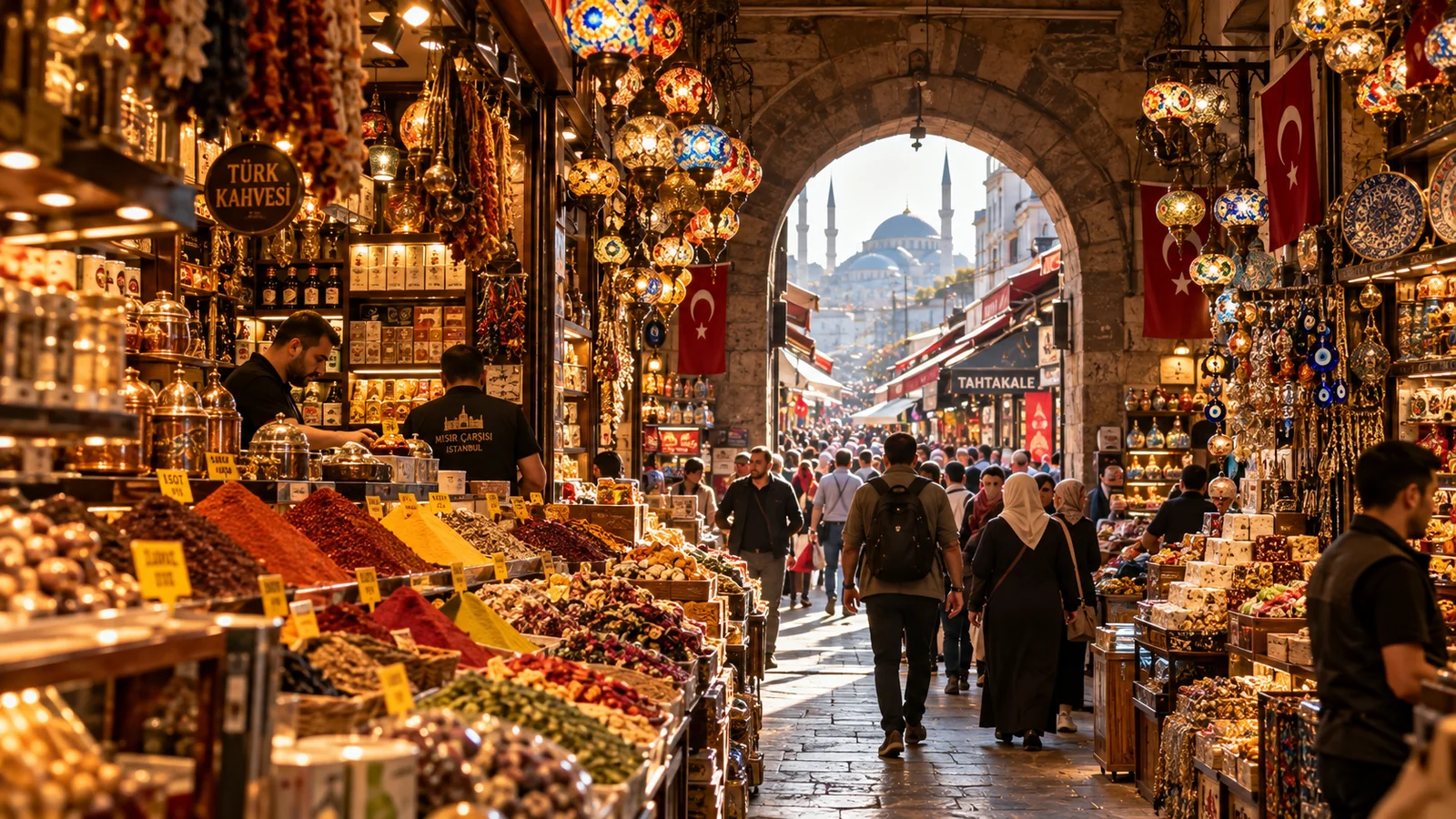
When you come out, the story does not end at the door. It spreads into Tahtakale and the surrounding streets, where trade is less neatly framed for a photograph.
That is where our later walk toward the Grand Bazaar will pick up.
Return to the Edge of the Golden Horn
For now, come back toward the water.
From Eminönü, Galata stands across the Golden Horn. Ferries and other boats cross the view. The bridge offers another route, but you do not have to take it today. Stay on the Fatih side long enough to understand what this waterfront does: it connects the Historic Peninsula to the rest of the city.
The view is beautiful. It is also useful.
If you have spent the day moving from Sultanahmet through Sirkeci, the geography begins to make sense. The palace and its surroundings occupied one part of the peninsula. The railway station brought travellers to its edge. The market and waterfront gathered routes, goods, and people together. Across the water, another district waited.
A map can show those relationships in seconds. Walking through them makes them memorable.
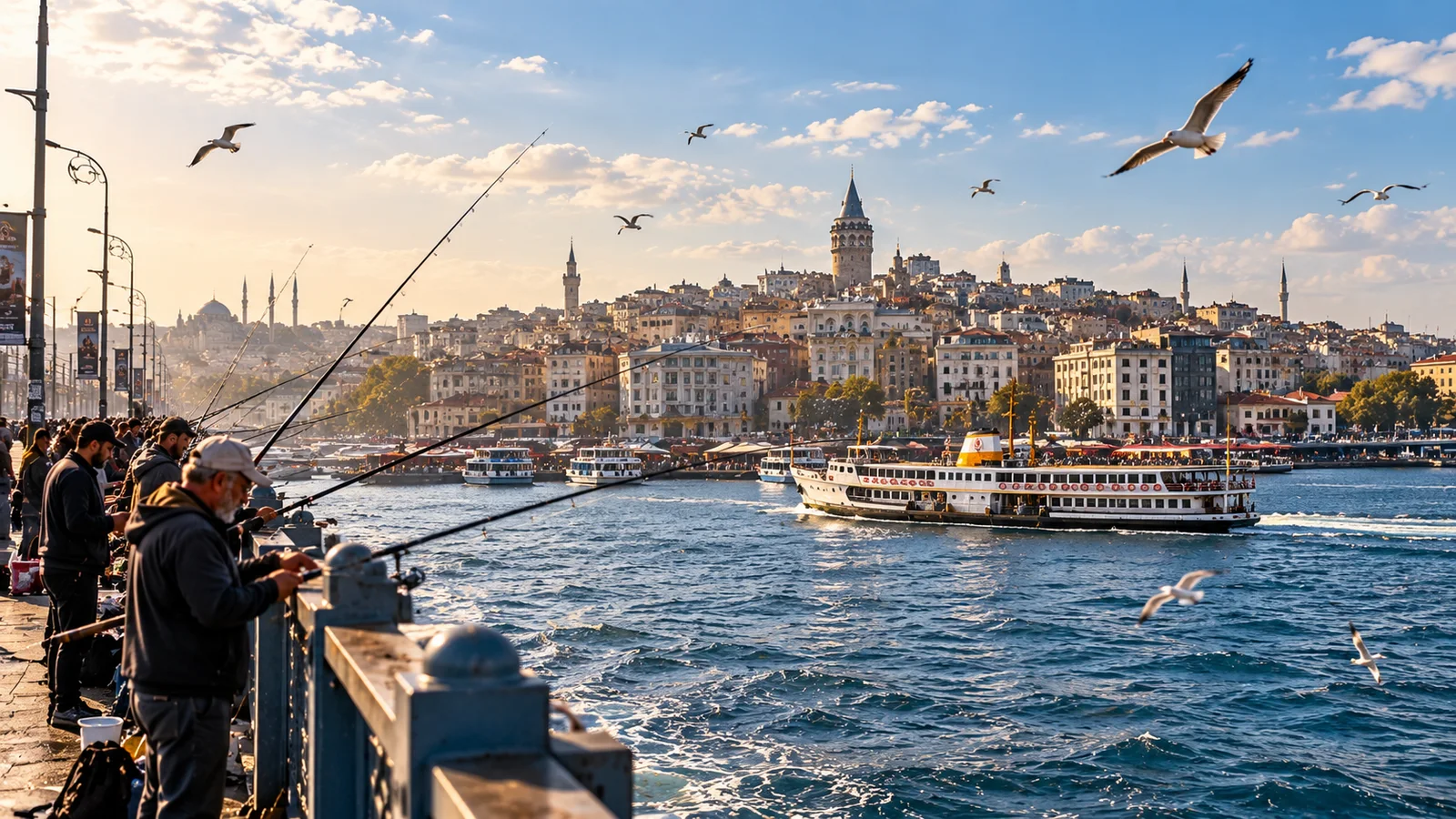
Before You Leave
There is no single correct way to finish in Eminönü.
You might board a ferry and watch the peninsula recede. You might walk onto Galata Bridge. You might return to the Spice Bazaar and follow the streets behind it toward the older commercial heart of Fatih.
Whichever direction you choose, look once more at the movement around you.
Sirkeci and Eminönü are sometimes too busy to offer the peaceful, timeless Istanbul people imagine before they arrive. What they offer is more revealing: a city that has never existed only to be admired. People have always needed to enter it, cross it, sell things in it, and leave it for somewhere else.
That is why this waterfront belongs in the story of the old imperial capital.
And if the market streets have caught your attention, follow them inland. Beyond Eminönü’s shoreline, the shops and passages lead toward a place that is far larger than any single market hall:
the world of Beyazıt and the Grand Bazaar.
Leave the waterfront behind and follow the trading streets uphill. The shops grow closer together, the voices louder. Long before you reach the Grand Bazaar, you will feel the market beginning around you.
Continue the journey → Grand Bazaar and Beyazıt: Where Istanbul’s Trade Spilled Into the Streets
💬 Comments (0)
Traveler comments are shown in their original language.
No comments yet. Be the first to share your experience.
💬 Want to join the discussion?
Log in or create an account to leave a comment.