Kuzguncuk and Balat Streets: Two Historic Neighbourhoods Preserving Istanbul’s Local Culture
Explore Kuzguncuk and Balat, two historic Istanbul neighborhoods preserving local culture. Discover colorful houses, antique shops, the co-existence of churches, mosques, and synagogues, and get essential 2026 walking and photography routes.
 Burak ÇınarTurkTravelRadar Founder
October 14, 2026
Two Different Sides of Istanbul
Walk into a street in Kuzguncuk and you might notice flowers spilling from the bay windows of a wooden house, a cat resting by a doorway or a local resident enjoying a morning cup of tea. A few steps later, a gentle breeze arrives from the Bosphorus. The bustle of Istanbul is never far away, yet life here seems to move at a slightly slower pace.
In Balat, the experience begins differently. Narrow streets climb steep hills from the Golden Horn, lined with colourful facades, old shops and buildings that carry traces of different periods. You stop to take a photograph, then notice something else just outside the frame: an old door knocker, a weathered sign or the entrance to a historic place of worship.
Kuzguncuk, on Istanbul’s Asian side, and Balat, along the Golden Horn on the European side, may initially seem similar because of their colourful houses. Yet each has its own history, architecture and neighbourhood character.
To understand these places, do more than visit the streets that appear most frequently in photographs. Slow down, explore the side streets and remember that these are living neighbourhoods where people still go about their everyday lives.
Kuzguncuk: Old Istanbul Beside the Bosphorus
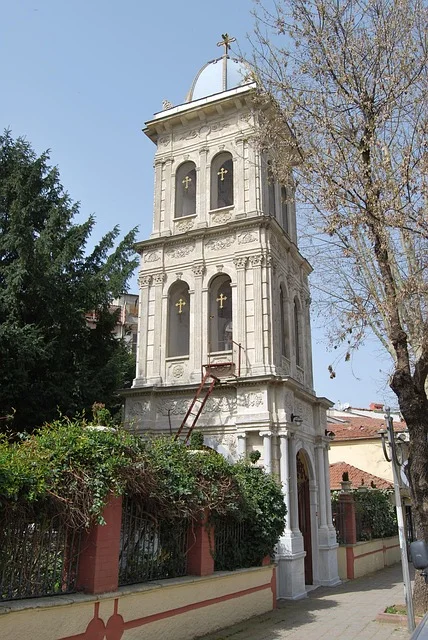
Kuzguncuk is a neighbourhood in the Üsküdar district of Istanbul’s Asian side. It is known for its Bosphorus waterfront, narrow streets, historic wooden houses and the architectural legacy of different religious communities.
What makes Kuzguncuk distinctive is not simply the colour of its houses. For centuries, people from different religious and cultural backgrounds have lived here. The historical presence of Jewish, Greek Orthodox, Armenian and Muslim communities can still be seen in the neighbourhood’s architecture and places of worship.
As you walk through Kuzguncuk, these communities’ histories become more than facts in a book. Mosques, churches and synagogues stand relatively close to one another, offering visible reminders of the neighbourhood’s layered past. However, their proximity alone cannot explain the full history of relations between the communities. Kuzguncuk’s story must also be understood through changes in its population and the transformation of neighbourhood life over time.
Colourful Wooden Houses and Bay Windows
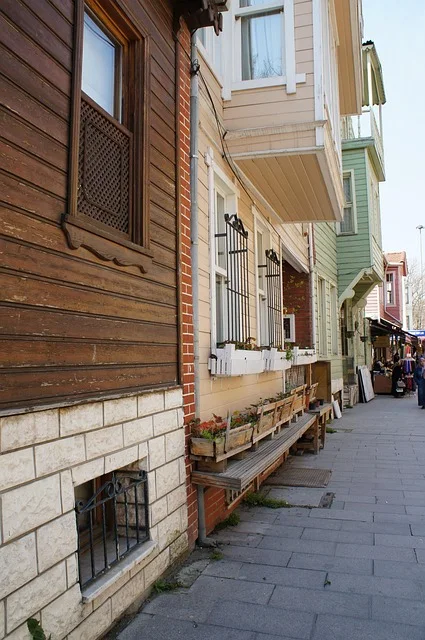
One of the first images associated with Kuzguncuk is a narrow street bordered by traditional wooden houses. Pastel-coloured facades, projecting bay windows, wooden shutters and small gardens contribute to the neighbourhood’s distinctive architectural character.
Not all these houses date from the same period, and many have undergone repairs or alterations over the years. Walking through Kuzguncuk therefore means encountering a neighbourhood that has developed gradually rather than a perfectly uniform collection of historic buildings.
İcadiye Street and its surrounding lanes are among the areas that attract visitors looking for photographs. But when you find an attractive facade, remember that these houses are private homes. Looking through windows or photographing residents without permission should never be part of the experience.
The beauty of Kuzguncuk lies not simply in posing in front of colourful houses, but in appreciating the streetscape they create together.
Kuzguncuk Bostanı: A Green Space in the Neighbourhood
One of Kuzguncuk’s most distinctive features is Kuzguncuk Bostanı, a green space nestled among the surrounding buildings. It highlights the importance of urban growing spaces and shared land within a neighbourhood.
The bostan is more than a place to take photographs. It provides a connection to the soil and cultivation within everyday urban life. In a densely built city such as Istanbul, spaces like this also matter for the quality of the urban environment.
Do not treat it as an unrestricted picnic ground or recreational park. Follow the current rules and remember the value this space holds for local residents.
Traces of Different Faiths in Kuzguncuk
To understand the neighbourhood’s history, look beyond its streets to its religious buildings.
Ayios Panteleimon Greek Orthodox Church is an important part of Kuzguncuk’s Greek Orthodox heritage. Beth Yaakov Synagogue preserves traces of the neighbourhood’s Jewish history. Üryanizade Mosque, meanwhile, is a historic place of worship notable for its location near the Bosphorus.
Together, these buildings open different windows onto the neighbourhood’s past. However, not every place of worship is necessarily open to visitors at all times. If you want to explore the interiors, check access arrangements in advance, respect worship hours and obtain any necessary permission.
As you explore Kuzguncuk, you may begin to realise that history is not preserved only in grand monuments. A courtyard, an old doorway or a narrow residential street can also tell the story of a community.
Balat: A Journey Through History on the Hills of the Golden Horn
Balat lies on Istanbul’s European side, in the Fatih district, along the Golden Horn. Situated within the historic area between Fener and Ayvansaray, it has long been home to communities of different religious and cultural backgrounds.
Balat is particularly associated with Jewish history. Jewish communities were present in the wider area from the Byzantine period, and during the Ottoman era, Jewish communities arriving from different places became an important part of its cultural and commercial life. Greek and Armenian communities also contributed to the region’s history.
This layered past is reflected in Balat’s streets and architecture. Historic houses, synagogues, churches and other buildings form part of Istanbul’s urban fabric, shaped over centuries by different communities.
Today, Balat is known for its colourful houses, antique shops, small businesses and cafés. Yet its story is not simply one of tourism and redevelopment. Everyday life continues here: residents go to work, shop for necessities, children play in the streets and laundry hangs outside apartment windows.
Colourful Houses and Steep Hills
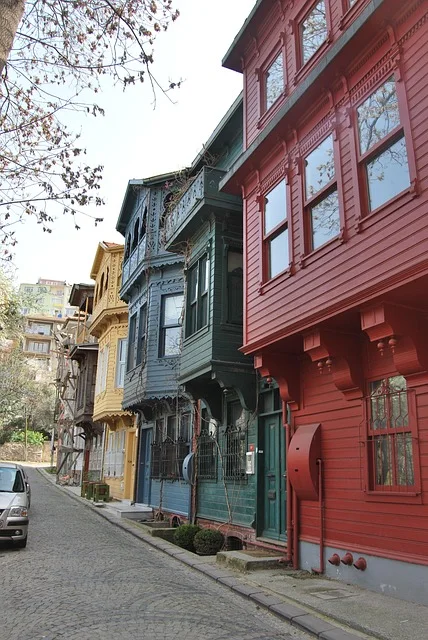
Some of Balat’s best-known views feature colourful houses lining sloping streets. Kiremit Street and Merdivenli Yokuş are popular stops for photography.
The bay windows, wooden doors and varied facades of these buildings preserve elements of old Istanbul’s architectural character. However, it would be misleading to assume that all the houses were built during the same period or remain unchanged in their original form. Balat contains buildings from different eras, many of which have been altered to varying degrees.
The steep streets make comfortable walking shoes particularly useful. Steps and sloping paths can also make the area challenging for visitors with limited mobility.
The best-known streets can become crowded, especially around popular photography spots. A few streets away, you may find a quieter side of neighbourhood life. Leave time to explore these less photographed corners if you want to understand Balat beyond its colourful facades.
Antique Shops, Old Stores and Everyday Life
Small businesses and shops selling old objects have a distinctive place in Balat’s commercial landscape. Antique dealers, vintage stores, craft workshops and cafés all contribute to the neighbourhood’s present-day character.
You might pause in front of a shop to examine an old piece of furniture, glassware or an object that has been kept for decades. However, not every old-looking item is necessarily an antique of historical value. A genuine antique and a product designed to look old are not the same thing.
Even if you do not plan to shop, the displays offer an enjoyable way to spend time. Look beyond businesses aimed at visitors and notice the shops serving residents’ everyday needs. They reveal another side of the neighbourhood.
Balat’s changing character is also visible during a visit. Tourism and social media have brought more visitors to certain streets, while new businesses have opened. This transformation has increased interest in the area, but it also raises important questions about preserving neighbourhood life and considering the needs of local residents.
Balat’s Historic Heritage: Synagogues, Churches and Landmark Buildings
Balat and neighbouring Fener offer important places to explore Istanbul’s religious and cultural heritage.
Ahrida Synagogue is one of the most significant landmarks of Istanbul’s historic Jewish heritage. Its origins reach back to the early Ottoman period, and its name is associated with a community history connected to Ohrid, in present-day North Macedonia. Different interpretations exist regarding the shape of its interior platform, but these should not be presented as conclusively established historical explanations. Visitors should check access and permission requirements in advance.
The Ecumenical Patriarchate of Constantinople is located in neighbouring Fener, just beyond Balat. Together with the Church of St. George, it is an important centre for the Orthodox Christian world. It is a meaningful stop for anyone interested in the religious history of Istanbul’s Historic Peninsula.
Sveti Stefan Bulgarian Orthodox Church, on the Golden Horn waterfront, is an unusual building known for its iron construction. Commonly called the Iron Church, it was assembled from prefabricated iron components. Its architecture and its importance to the history of the Bulgarian Orthodox community make it especially noteworthy.
Fener Greek High School is one of the area's most recognisable buildings, with its imposing red-brick facade. It is also known locally as the Red School. The building is important for both educational history and architecture, but it remains an active educational institution, so visitors should not assume that its interior is always accessible.
These landmarks make Balat and Fener more than a route through picturesque streets. Together, they help tell the story of the communities that shaped Istanbul through education, worship, commerce and everyday life.
Kuzguncuk or Balat? What Makes Them Different?
Kuzguncuk and Balat are interesting not only because of their similarities, but also because of their differences.
In Kuzguncuk, the Bosphorus is a defining presence. Wooden houses, small gardens, İcadiye Street and Kuzguncuk Bostanı contribute to its distinctive neighbourhood atmosphere. You can combine a walk through the streets with time by the waterfront.
In Balat, historic streets rise from the Golden Horn towards the hills. Traces of old commercial life and a concentration of historic religious buildings give the area a different character. Walking here involves more slopes, and architectural details can change noticeably within a short distance.
Kuzguncuk appeals to visitors interested in Bosphorus neighbourhoods, wooden houses and local life. Balat offers a more extensive exploration of historic streets, the heritage of different communities and traditional shops.
You do not have to choose one over the other. If you have enough time, visiting both allows you to compare neighbourhood culture as it developed on two different sides of Istanbul.
How to Explore Kuzguncuk and Balat
Getting to Kuzguncuk
Kuzguncuk is located on the Bosphorus waterfront in Üsküdar. You can reach Üsküdar by ferry, Marmaray or other public transport services, then continue towards Kuzguncuk. Buses from Üsküdar and walking routes along the waterfront are also options, depending on your starting point.
You can begin your visit by the water, then explore İcadiye Street and the surrounding lanes. If you also want to visit Kuzguncuk Bostanı, allow time for the additional walk.
Suggested time: Around 1.5–2.5 hours is a reasonable allowance for exploring the neighbourhood, enjoying the waterfront and walking through its streets at a relaxed pace.
Getting to Balat
Balat can be reached by bus from the Eminönü area or by using public transport serving the Golden Horn. Balat station on the T5 tram line is another useful option. Check current routes and service information before setting off.
You can begin along the Golden Horn waterfront, explore the shops around Vodina Street, then head uphill towards Kiremit Street and Merdivenli Yokuş. If you also want to visit historic landmarks in Fener, allow extra time.
Suggested time: Around 2–3 hours is suitable for exploring Balat’s streets alone. Plan a longer visit if you want to include Fener’s historic buildings.
Small but Important Tips for Your Visit
- Consider visiting in the morning. Popular streets can become crowded, especially at weekends. Earlier hours may offer a quieter walk and better opportunities for photographs.
- Wear comfortable shoes. Balat’s hills and stepped streets can make walking more demanding.
- Respect residents’ privacy. Do not look through windows, block doorways or photograph residents without permission.
- Check access rules for places of worship. Synagogues and churches may accept visitors only at certain times or with special permission. Remain quiet during services and follow photography rules.
- Look beyond the photographs. Spend time noticing small shops, architectural details and the everyday life of the neighbourhood.
- Check current transport information. Routes, schedules and visitor arrangements can change, so consult official sources before travelling.
Why Visit These Two Neighbourhoods to Experience Istanbul’s Local Culture?
Kuzguncuk and Balat help visitors understand Istanbul without reducing its past to a single period or community. Wooden houses, old shops, places of worship and the shape of the streets reveal how the city has changed over time.
Yet preserving neighbourhood culture means more than protecting historic buildings. It also means respecting the people who live in them, their everyday routines and the shared spaces they use. When visiting, remember that these are not simply historic backdrops; they are living neighbourhoods.
As you walk towards the Bosphorus in Kuzguncuk or climb a steep street in Balat, you may notice the same thing: Istanbul’s character is preserved not only in its grand monuments, but also in its smallest details.
In a bay window, the display of an old shop, the doorway of a place of worship or the daily rhythm of the people who live nearby.
That is what makes these two neighbourhoods special. You arrive to see them, but you leave with more than memories of colourful houses. You carry away impressions of the people who give these streets life and the stories that have accumulated here over generations.
💬 Comments (0)
Traveler comments are shown in their original language.
No comments yet. Be the first to share your experience.
💬 Want to join the discussion?
Log in or create an account to leave a comment.