Kastabala Ancient City, Osmaniye: Columns beneath a Medieval Castle
Explore Kastabala Ancient City near Osmaniye, where a colonnaded street, Roman theatre and medieval hilltop castle reveal centuries of changing urban life.
 Burak ÇınarTurkTravelRadar Founder
October 7, 2026
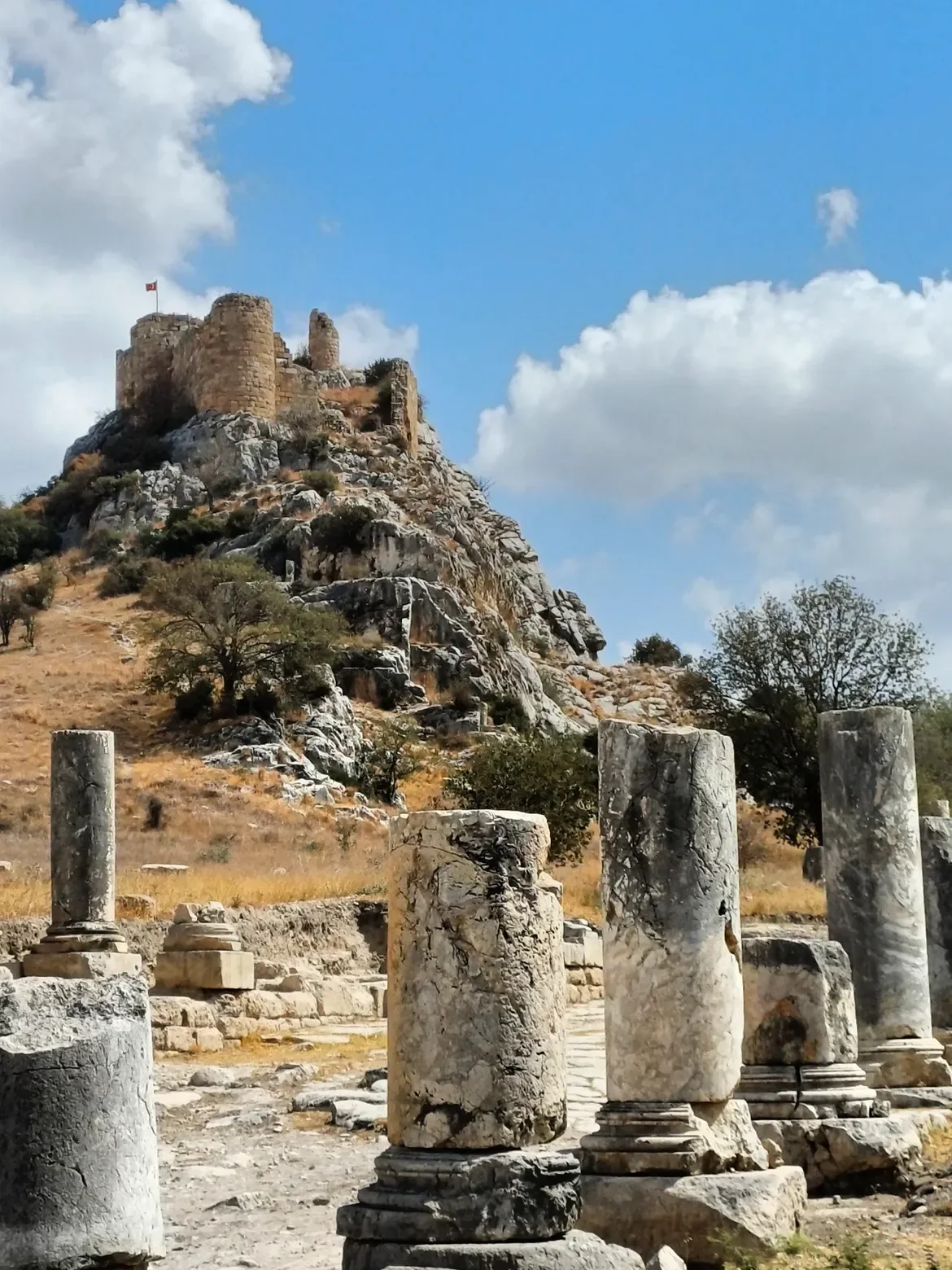
A row of stone columns leads your eye towards a rocky hill, where a castle rises above the ruins. At Kastabala, that single view brings two very different periods of history together: the public spaces of an ancient city and the defences of a later settlement.
Known as Kastabala-Hierapolis, the archaeological site lies approximately 12 kilometres north-northwest of Osmaniye, on the route towards Karatepe-Aslantaş.
If you enjoy exploring ruins at your own pace, give this place time. Walk slowly along the columns, look towards the theatre and let the surviving structures help you picture a city that once had streets, shops and gathering places.
Which Hierapolis Is This?
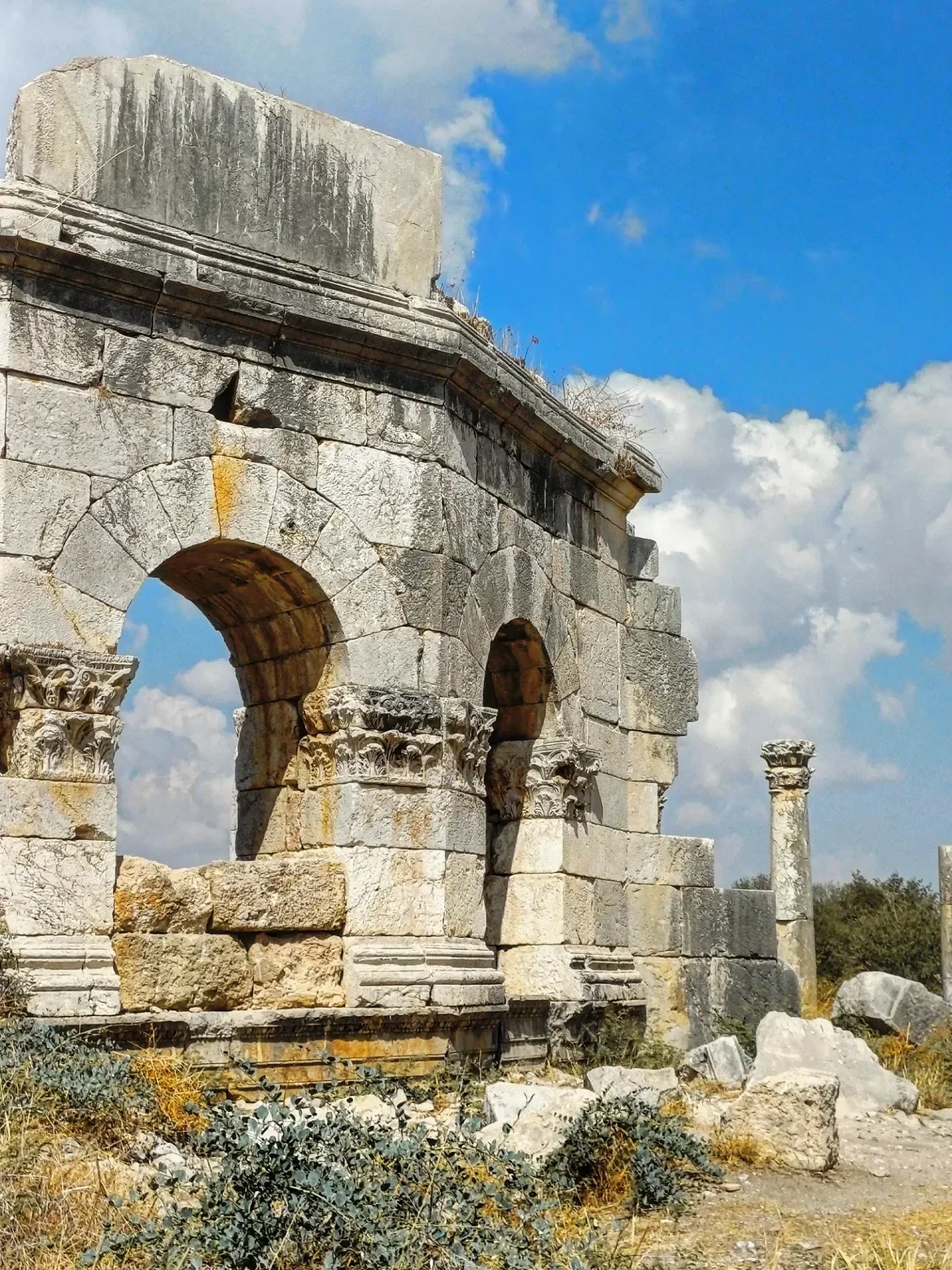
Kastabala-Hierapolis is in Osmaniye, separate from the Hierapolis beside Pamukkale in Denizli. Include “Kastabala” when searching for directions or arranging transport.
The name Hierapolis means “sacred city.” Here, it was associated with the worship of Artemis Perasia, an important part of Kastabala’s ancient identity.
That background adds meaning to the ruins. Religious life, trade and public gatherings all helped shape the city, although what survives today gives only a partial picture of those activities.
Following the Colonnaded Street
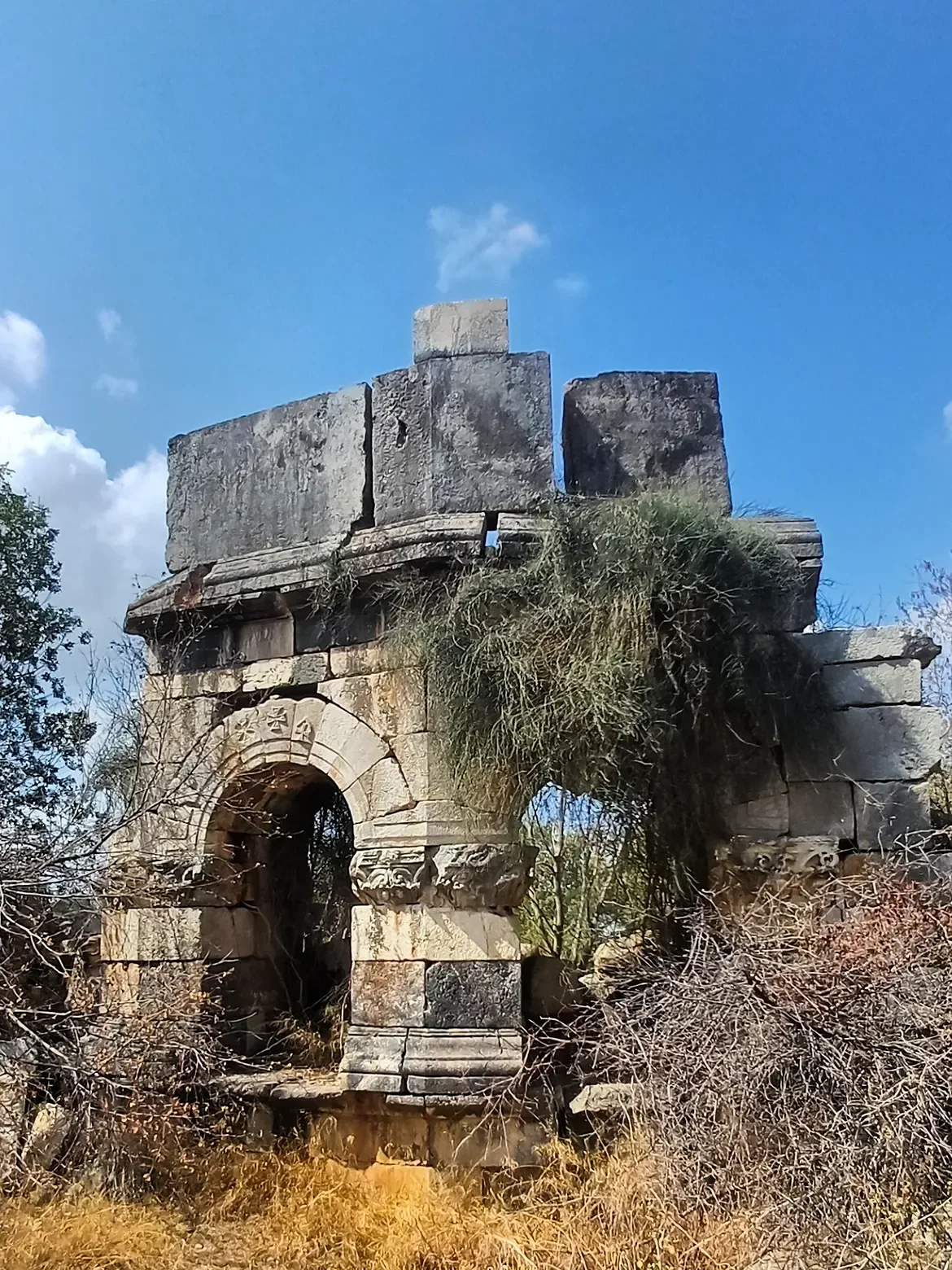
The colonnaded street is one of Kastabala’s defining sights. Excavations have identified galleries and shops along it, revealing a place used for everyday activity as well as movement through the city.
Start by looking along the line of columns. Then turn your attention to what remains around them: changes in level, stone blocks and the outlines of adjoining spaces.
It becomes easier to imagine the street when you think about ordinary routines. People would have passed through carrying goods, stopping to speak or entering a shop. The standing columns once belonged to that lived environment.
For photographs, try a view looking along the street and another that includes the castle above. Each tells a different part of Kastabala’s story.
The Theatre and Later Buildings
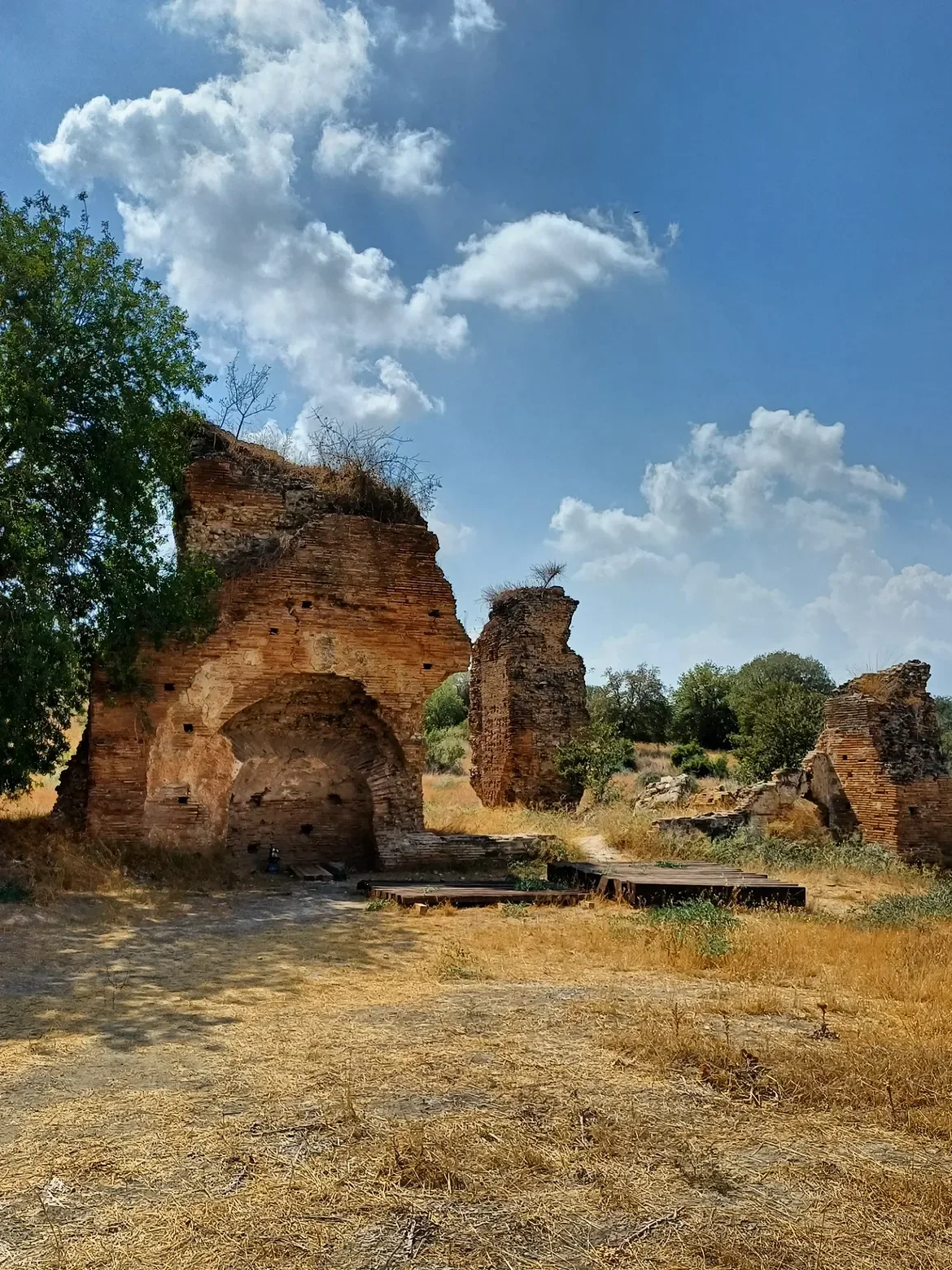
Many of the city’s principal monuments belong to the Roman period, including its theatre and baths. The remains also include later churches, illustrating how the settlement changed over time.
The theatre offers another way to understand the city. Its shape was designed around people gathering together, watching and listening. Even with parts missing, that purpose can be easier to recognise than the function of a scattered wall or foundation.
Follow the open visitor routes and respect excavation barriers. Not every visible structure will be accessible, and ongoing archaeological work may affect where you can walk.
Bodrum Castle above the Ruins
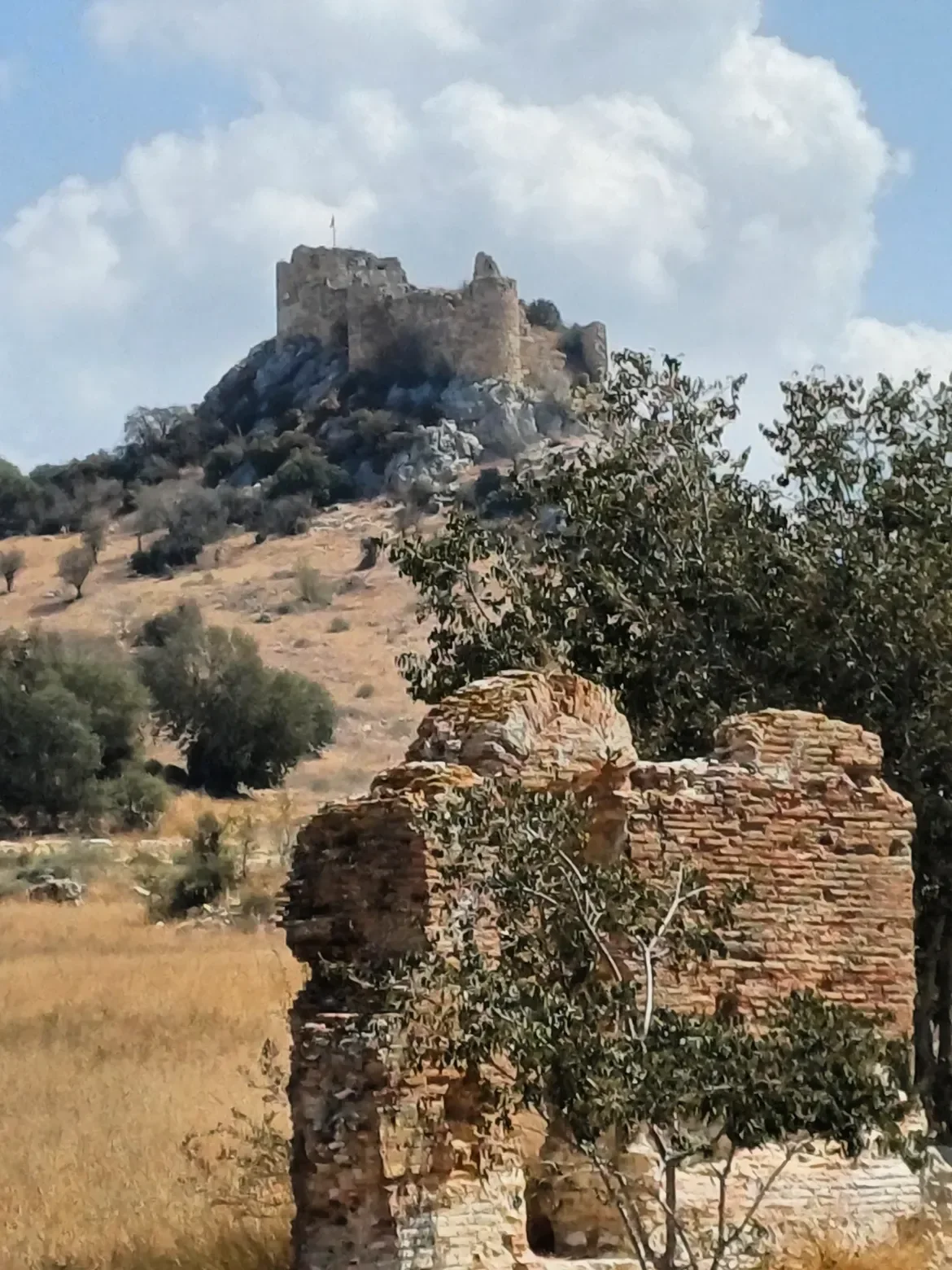
The castle overlooking Kastabala is known as Bodrum Kalesi. It dates to the thirteenth century, making it considerably later than the Roman monuments below.
Its position gives the site a memorable silhouette. From the lower ruins, the hill helps you understand why this location also appealed to people concerned with defence.
Treat any ascent as a separate decision. Confirm that the route is open and suitable before attempting it; the view from the ancient city is already rewarding.
Planning Your Visit
As a planning suggestion, allow around 1–1½ hours for an unhurried visit to the main ruins. Leave longer if you enjoy reading site information or architectural photography.
Bring drinking water, sun protection and sturdy shoes. An early visit is a sensible choice in hot weather, especially if you intend to spend time studying the remains.
At the time of checking, the official listing shows free admission and daily opening from 09:00 to 18:00, with the entry office closing at 17:30. Recheck the official visitor page before travelling.
Kastabala can also be considered alongside Karatepe-Aslantaş when planning a day exploring Osmaniye’s archaeological heritage. Allow travel and visiting time for each rather than treating either as a hurried stop.
Walking Note — Physical Effort: 2/5
An editorial estimate for the main archaeological area. Expect uneven ground and some changes in level. A castle ascent, if permitted, would require additional effort. Confirm access arrangements if you need a step-free route.
Quick Visitor Summary
| Detail | What to Know |
|---|---|
| Location | Near Osmaniye, on the route towards Karatepe-Aslantaş |
| Other name | Kastabala-Hierapolis |
| Main highlights | Colonnaded street, theatre, church remains and castle views |
| Castle period | Thirteenth century |
| Suggested visit | Around 1–1½ hours |
| Walking effort | Estimated 2/5 for the main ruins |
| Currently listed hours | Daily, 09:00–18:00; entry office closes at 17:30 |
| Currently listed admission | Free; confirm before travelling |
💬 Comments (0)
Traveler comments are shown in their original language.
No comments yet. Be the first to share your experience.
💬 Want to join the discussion?
Log in or create an account to leave a comment.