İbrahim Müteferrika Paper Museum: Where a Blank Page Becomes Something Extraordinary
Discover Yalova’s İbrahim Müteferrika Paper Museum, where Ottoman printing history, handmade paper and workshop experiences bring the humble page to life.
 Burak ÇınarTurkTravelRadar Founder
October 4, 2026
Think of a letter you have kept.
Perhaps the paper has softened along the folds. Perhaps a corner is worn, or the ink has faded slightly. You know the words already, yet you unfold it again because something of the person remains in that sheet.
Paper can hold more than writing.
At İbrahim Müteferrika Paper Museum in Yalova, this familiar material becomes the subject of a whole visit: how it is made, how it travelled, and how people have used it to carry knowledge and memory.
Opened on 25 May 2013 inside the Raif Dinçkök Cultural Centre, the museum is described by official tourism sources as Turkey’s first paper museum. It also preserves the story of Yalova’s eighteenth-century papermaking heritage.
For anyone who loves books, handwritten notes or the pleasure of opening a fresh notebook, there is something quietly appealing about a place devoted to the page itself.
Why a Paper Museum in Yalova?
The connection reaches back to Elmalık village.
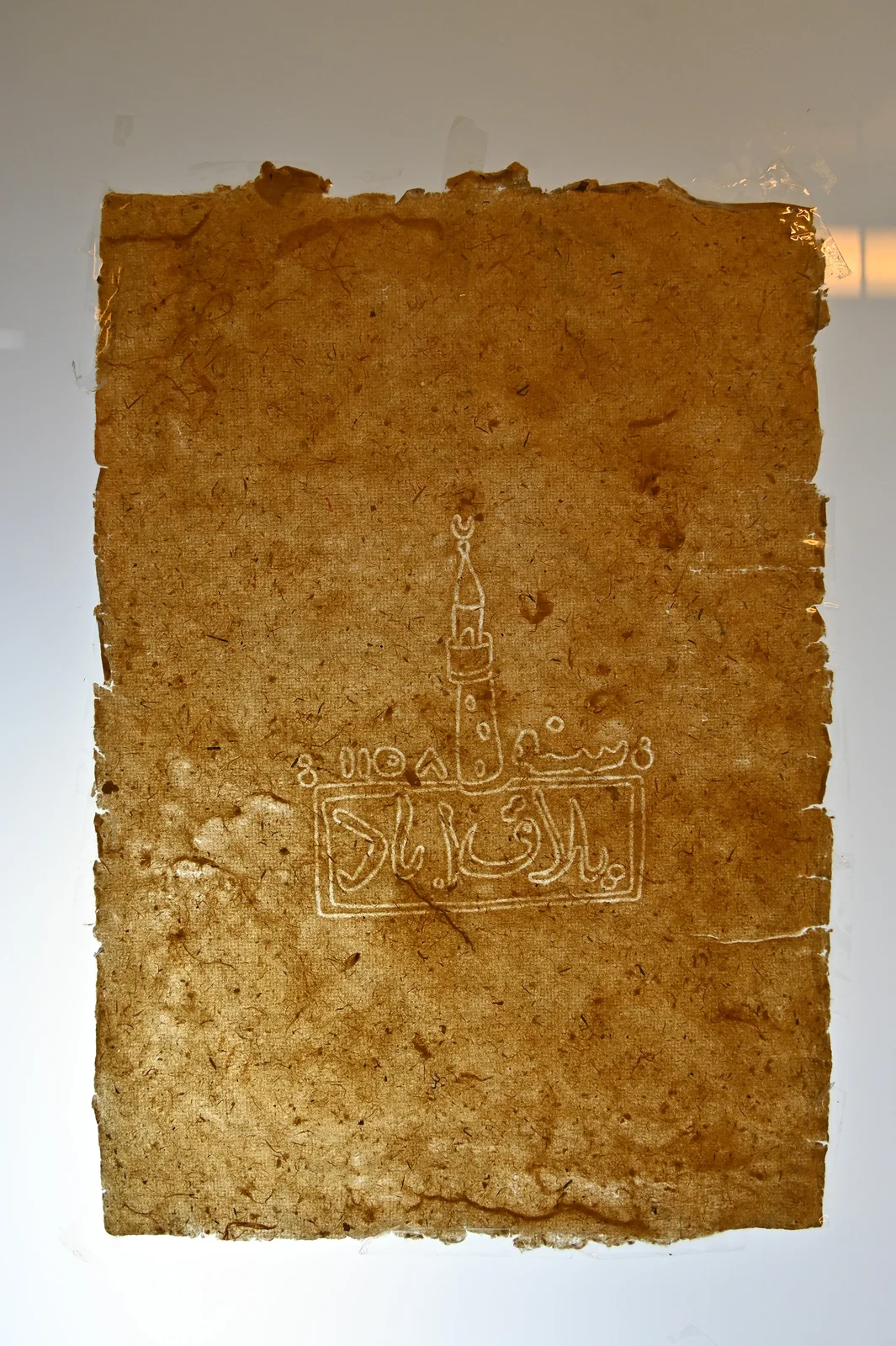
Official accounts associate İbrahim Müteferrika with a paper mill established there in 1745, intended to supply paper for printing. The governor’s office describes it as the Ottoman Empire’s earliest paper mill whose existence can be established through official documents.
That careful wording matters. Papermaking has a much longer history; Yalova’s significance lies in this documented Ottoman production venture.
Consider the practical problem behind it.
A printing press needs a dependable supply of paper. Before a reader can turn a page, someone must produce a surface capable of receiving ink. A book begins long before its first sentence appears.
Here, the story of printing leads naturally to water, fibres, tools and skilled hands.
Who Was İbrahim Müteferrika?
Müteferrika was a publisher, intellectual and Ottoman official whose name is closely associated with the development of Ottoman Turkish printing.
His press was established in 1727, and its first book, commonly known as the Vankulu dictionary, was completed in 1729.
He belongs to a major chapter in the history of making books available through print.
For a visitor, the museum offers a tangible way to approach that history. Instead of beginning with a long list of publications, begin with the material they required.
Look at a sheet of paper and imagine the work that came before the words.
What You Will Find Inside
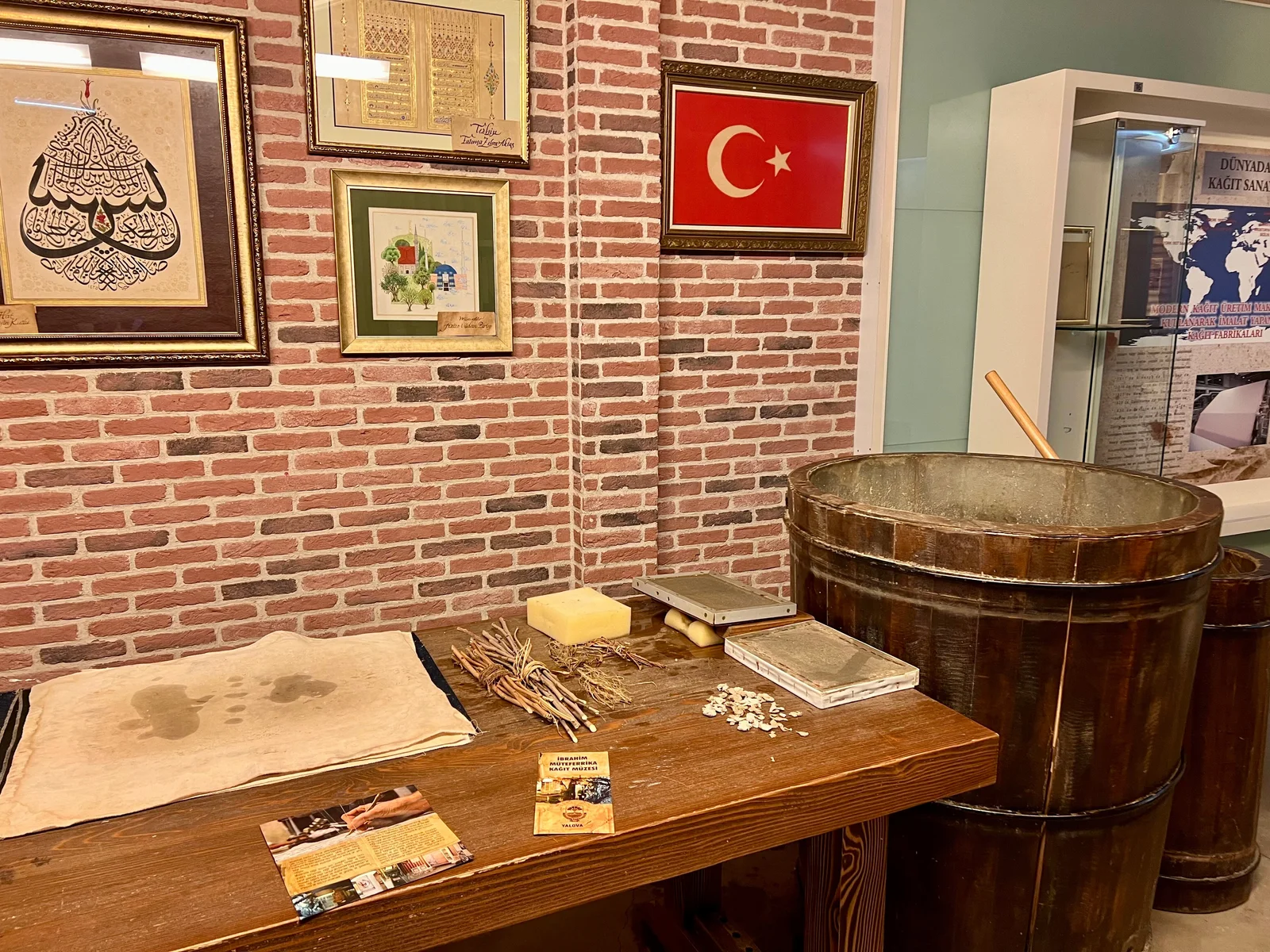
The museum explores paper’s history, production, preservation and artistic uses, alongside the history of books and libraries. Its displays connect the material to the ways people have recorded and shared information.
The official visitor description lists historic paper samples, writing equipment, documents, paper artworks and works printed by Müteferrika’s press.
Give the smaller exhibits some attention.
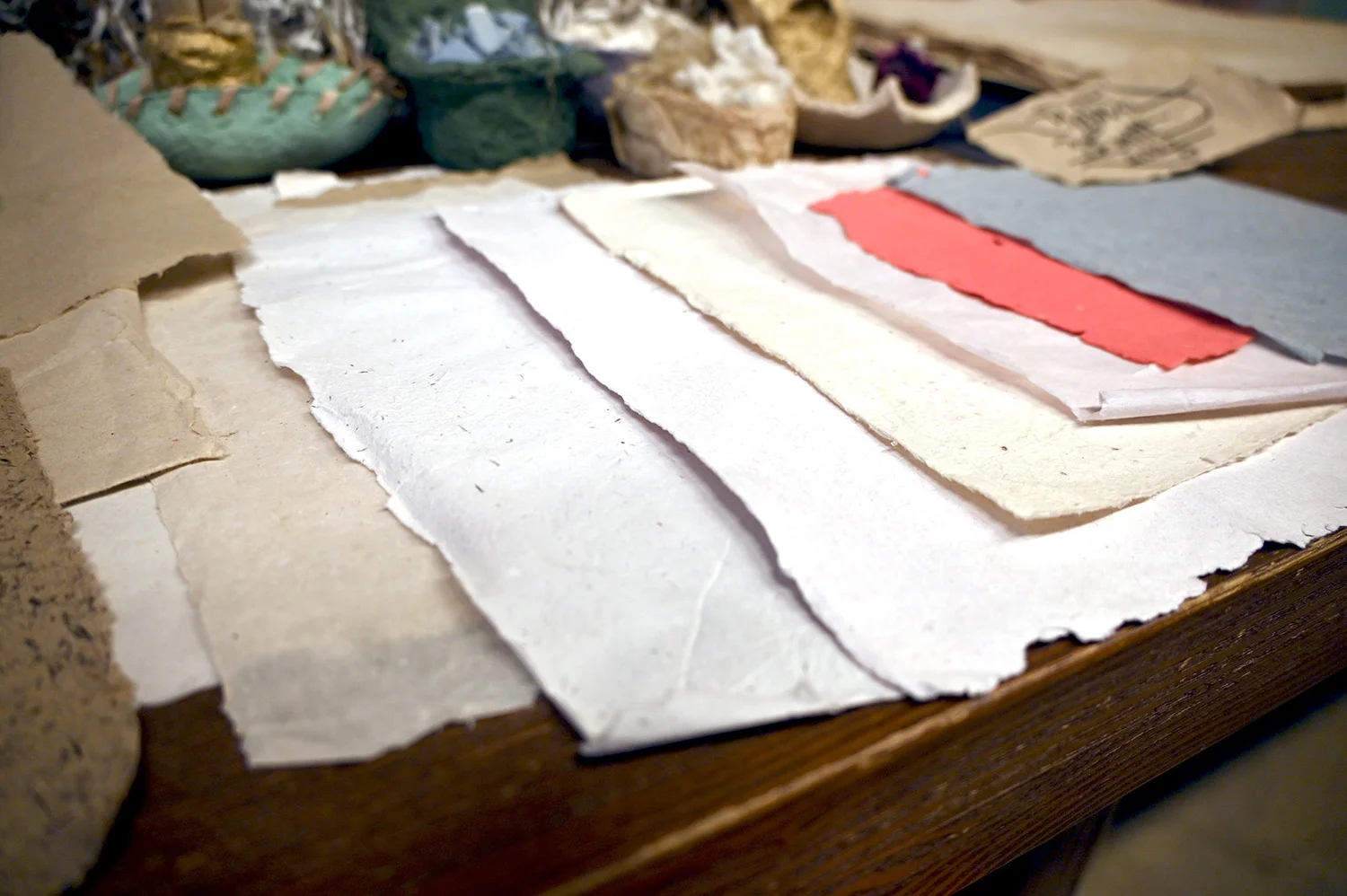
A sheet’s colour, surface and thickness can tell a different story from the writing it carries. Some papers appear smooth and even; others reveal the irregularity that makes handmade material so distinctive.
You may find yourself remembering papers from your own life: the thin pages of a dictionary, a school exercise book, a postcard that arrived from somewhere far away.
The subject is universal, but those associations are personal.
From Wet Fibres to a Sheet You Can Hold
The museum includes a papermaking workshop, and official descriptions explain that visitors can participate in making their own paper.
If a session is available during your visit, it can be the most memorable part of the experience.
In traditional hand papermaking, dispersed fibres are gathered onto a screened mould. Water drains away, leaving a delicate wet layer that must be transferred, pressed and dried.
At first, it hardly resembles the firm sheet you know. The fibres are wet and fragile; the emerging surface depends on how they settle.
Watching that transformation gives paper a new weight in your imagination. Something you normally use without thinking becomes the result of judgement, patience and practice.
Ask ahead about workshop times, booking, languages, charges and whether finished paper can be taken away. A workshop being part of the museum does not guarantee immediate participation for every visitor.
Touch only the materials staff invite you to handle.
The Pleasure of Making Something Slowly
A handmade sheet may have an uneven edge or a subtle change in thickness.
Those details can become its charm. They reveal the process rather than hiding it.
If you have the chance to handle a workshop sample, notice the surface beneath your fingertips. Listen to the soft sound as the sheet moves. Hold it towards the light when instructed and look at how its structure changes.
There is satisfaction in discovering that a seemingly ordinary object asks for real skill.
Children may enjoy the visible transformation from fibres to paper. Adults often find something equally absorbing in the care required to make a single sheet.
Photographing Your Visit
Where photography is permitted, details often work better than a wide photograph of the room.
Look for the texture of an authorised paper sample, the shape of a tool or the stages of a workshop demonstration. Ask before photographing staff or other participants.
Avoid flash where prohibited, and never move an exhibit to improve the composition.
If you make your own sheet, photograph it once staff say it is ready to handle. Its uneven edges may tell the story of your visit better than a posed photograph at the entrance.
Planning Your Visit
The museum is inside Raif Dinçkök Cultural Centre, at:
Bahçelievler Mahallesi, Şehit Ömer Faydalı Bulvarı No:203, Yalova Merkez.
The Ministry of Education’s visitor listing gives:
- Tuesday–Sunday: 09:00–17:00.
- Monday: Closed.
- Museum admission: Free.
Confirm these arrangements before a special journey, particularly during public holidays. Workshop arrangements should be checked separately.
Allow 45–60 minutes for the exhibition, with additional time for a scheduled activity. This is a suggested duration.
The museum occupies exhibition and workshop spaces within a modern cultural centre; it is not housed in the original eighteenth-century paper mill. The mill’s historic location was Elmalık village.
Walking note — Physical effort: 1/5 for a standard museum visit. If you need step-free access, confirm access to both the exhibition and workshop areas before arriving.
İbrahim Müteferrika Paper Museum — Quick Visitor Summary
| Detail | What to know |
|---|---|
| Location | Raif Dinçkök Cultural Centre, central Yalova |
| Turkish name | İbrahim Müteferrika Kâğıt Müzesi |
| Opened | 25 May 2013 |
| Main subject | Paper history, production, preservation and art |
| Yalova connection | The documented eighteenth-century paper mill at Elmalık |
| Workshop | Ask ahead about availability and participation arrangements |
| Suggested visit | 45–60 minutes, plus workshop time |
| Listed hours | Tuesday–Sunday, 09:00–17:00 |
| Weekly closure | Monday |
| Listed admission | Free; confirm workshop charges separately |
| Physical effort | Approximately 1/5 |
Opening history, location and listed visitor arrangements are supported by official sources.
Later, when you open a book or write something down, you may notice the paper before the words.
The small texture of its surface. The edge beneath your thumb.
A page you would once have passed over has become worth looking at.
💬 Comments (0)
Traveler comments are shown in their original language.
No comments yet. Be the first to share your experience.
💬 Want to join the discussion?
Log in or create an account to leave a comment.