Harbiye and Nişantaşı: The Street Beyond Taksim
From Taksim’s busy avenues to the elegant streets of Nişantaşı, follow a walk through Harbiye’s military history, Teşvikiye’s stone markers and a memorable Turkish meal.
 Burak ÇınarTurkTravelRadar Founder
September 28, 2026
Leave Taksim Square along Cumhuriyet Caddesi, heading toward Harbiye.
The square disappears behind you, but the noise follows. Buses pull away from the kerb. Horns sound across several lanes of traffic. When the air is still, exhaust hangs over the pavement before a gust pushes it along the avenue.
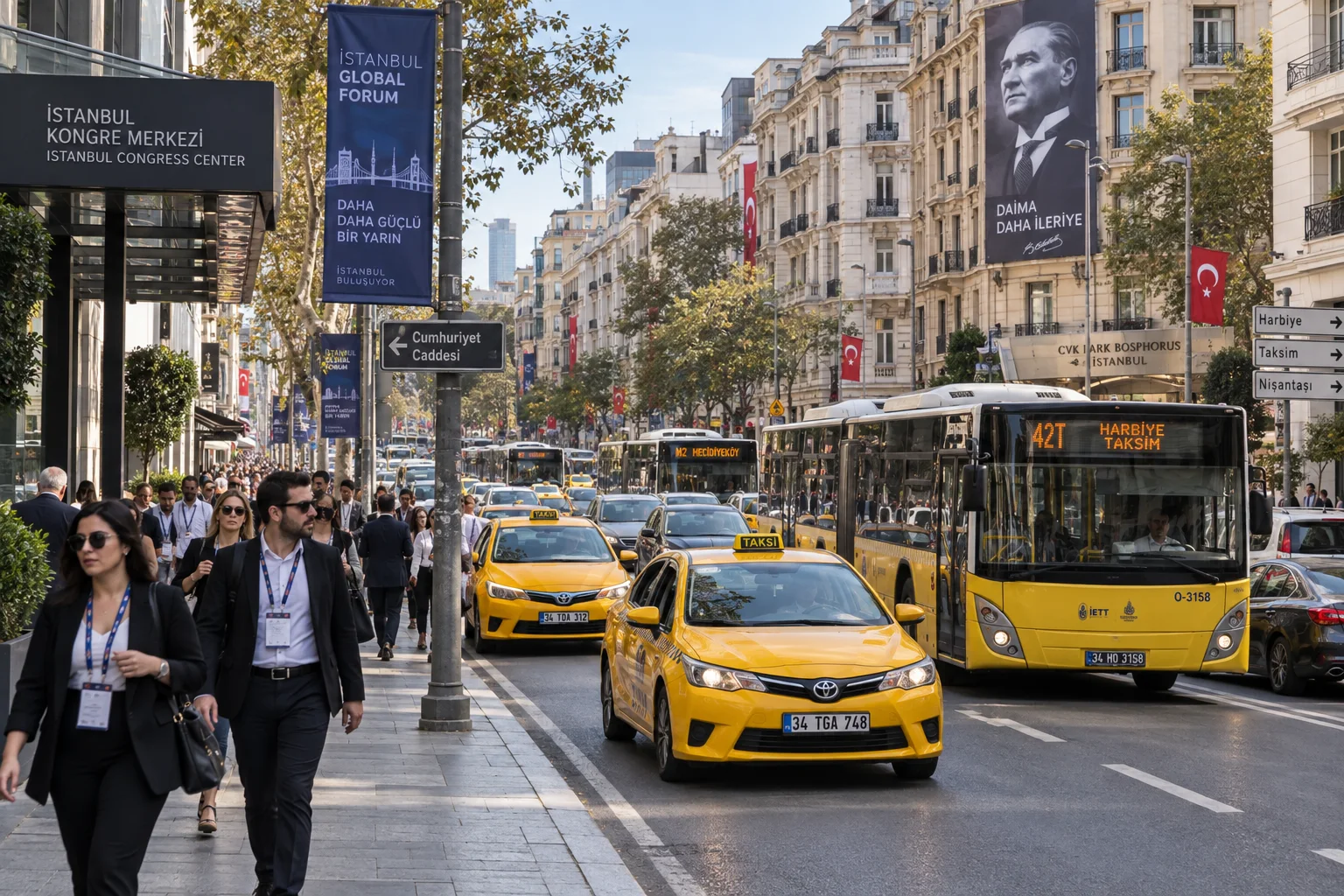
Harbiye does not ask you to slow down. People pass with conference badges, shopping bags and somewhere to be. Keep to the pavement and follow the road toward the Harbiye Military Museum. Its broad façade will give your eyes a place to settle amid the movement.
Walking note — Physical effort: 3/5
Walk from Taksim along Cumhuriyet Caddesi to Harbiye, then turn toward Nişantaşı and finish near Teşvikiye Mosque. Allow around 90 minutes, plus time for a meal. The main route has paved pavements, but crossings are busy; side streets can be sloped or uneven, with parked vehicles narrowing the way for pushchairs and wheelchairs. For a shorter walk, M2 Taksim and M2 Osmanbey are the practical metro options at either end of the area.
Harbiye: A Building That Explains the Name
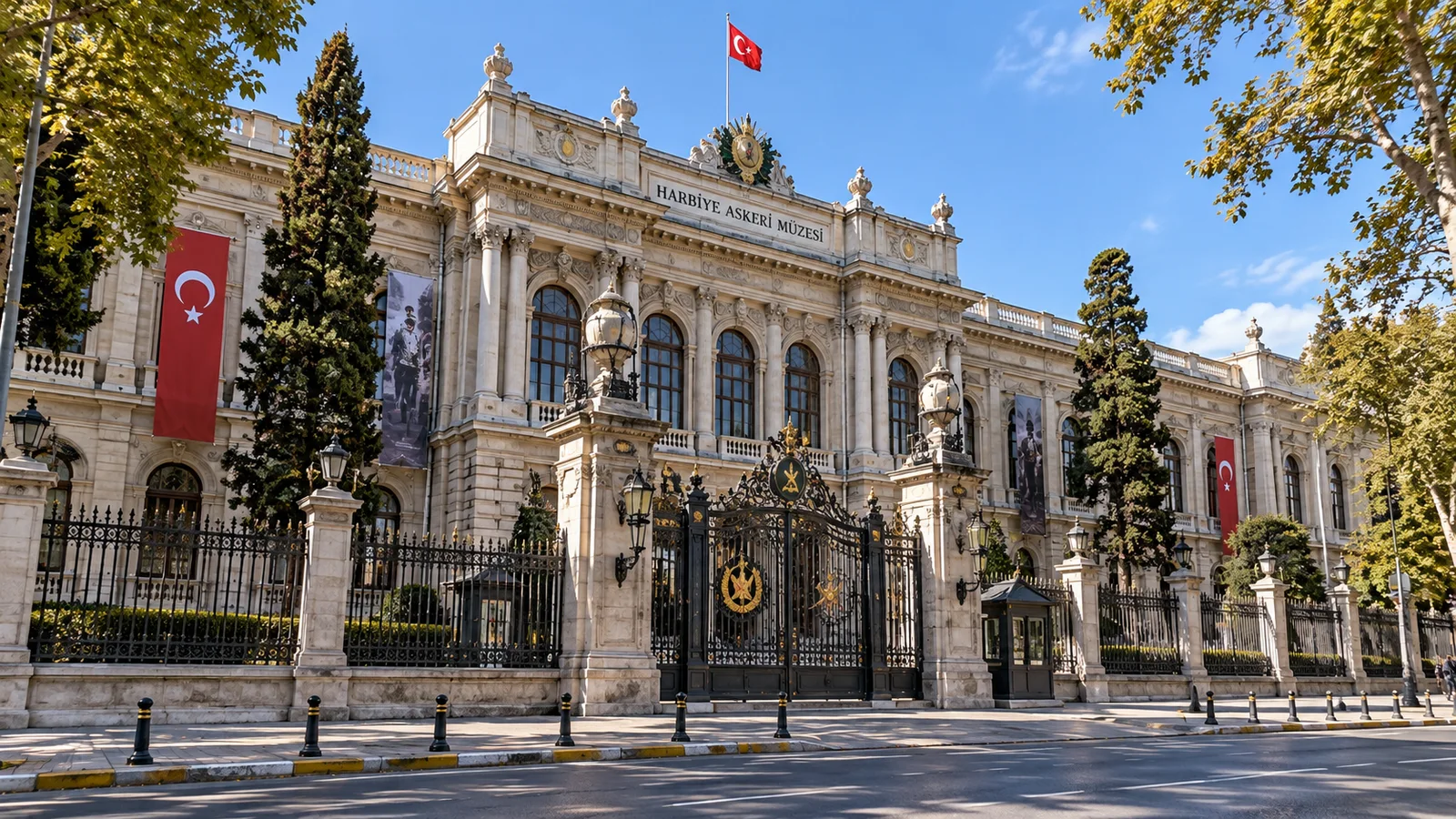
Stand across from the Harbiye Military Museum where you can see the building without blocking the pavement.
Its long, orderly frontage has the scale of an institution built to command attention. Follow its line with your eyes, from one end to the other, while traffic presses past in front of it. The contrast is striking: a façade that appears disciplined and still, set against an avenue that rarely is.
This building was once a military academy. Mustafa Kemal Atatürk studied here, and the neighbourhood’s name, Harbiye, carries that history into everyday speech.
The museum has been closed to visitors for restoration since 1 June 2026. You cannot enter on this walk, regardless of whether you have a MüzeKart. The stop is worthwhile for the exterior and for the part the former academy played in the district’s history. Once you have taken it in, continue toward Nişantaşı.
Turn Away From the Avenue
The shift begins when you leave the main road.
The horns become less immediate. A delivery trolley rattles over a join in the paving; shoes strike a firmer rhythm outside the shops. Depending on which doors are open, the smell of freshly ground coffee may reach you before you spot the café. A passing trace of perfume gives way to the warmer air from somewhere preparing lunch.
Nişantaşı has an elegant public face, but there is work behind every display window. Someone adjusts a mannequin. A courier studies an address. A resident steps around a delivery and carries on without breaking stride. Stay with that movement as you make your way toward Teşvikiye Mosque.
A Name Written in Stone
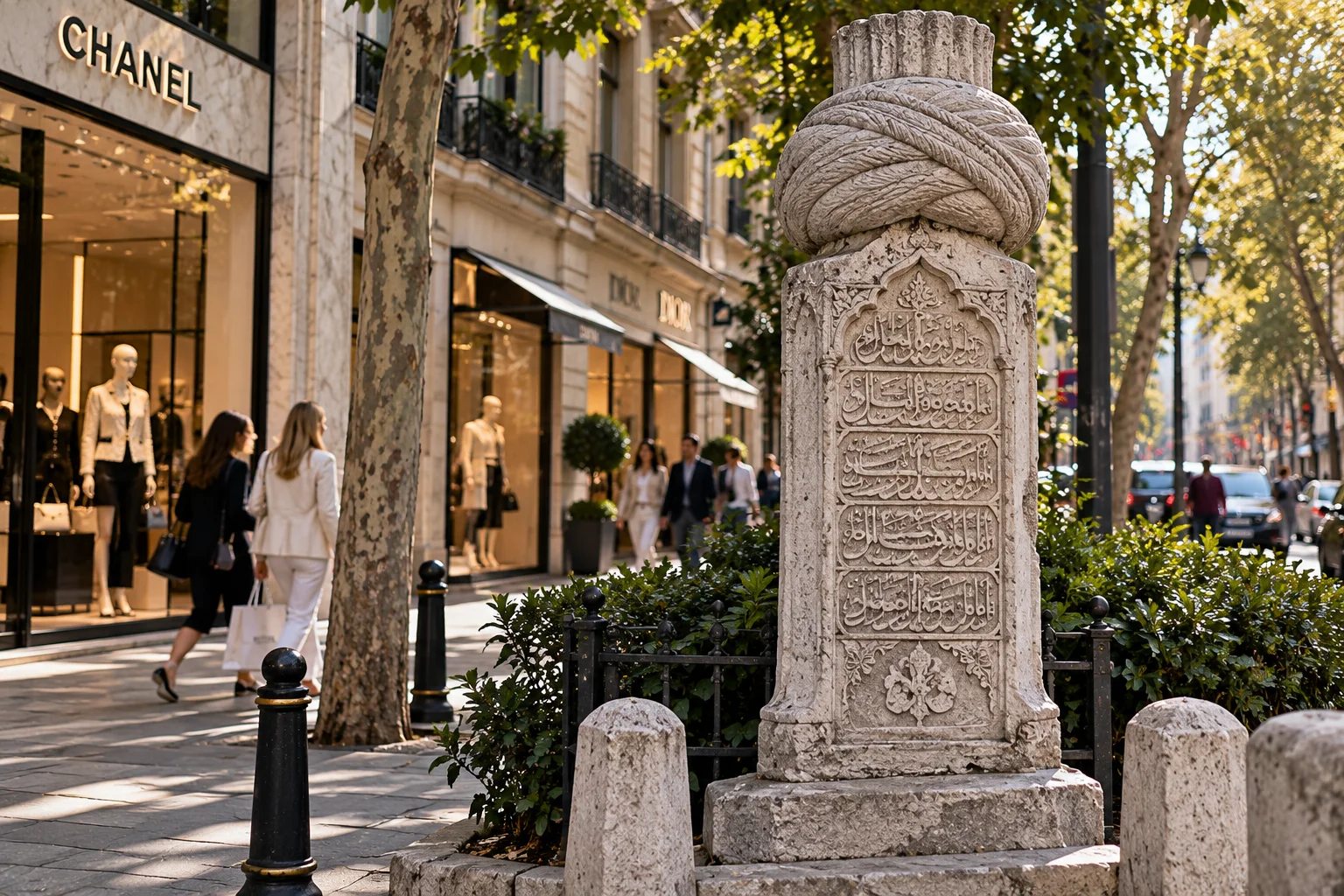
Nişantaşı is known for fashion, restaurants and polished shop windows. Its name asks you to look closer.
A nişan taşı is a stone marker associated with a shooting record or target. Historic examples remain in the neighbourhood. Near Teşvikiye Mosque, find one and take a moment with its carved surface before looking at the junction around it.
The stone does not sit apart from modern life. Vehicles turn nearby; people pass on their way to lunch. For a photograph, include some of that movement in the frame. It shows where this piece of history lives now.
At Teşvikiye Mosque
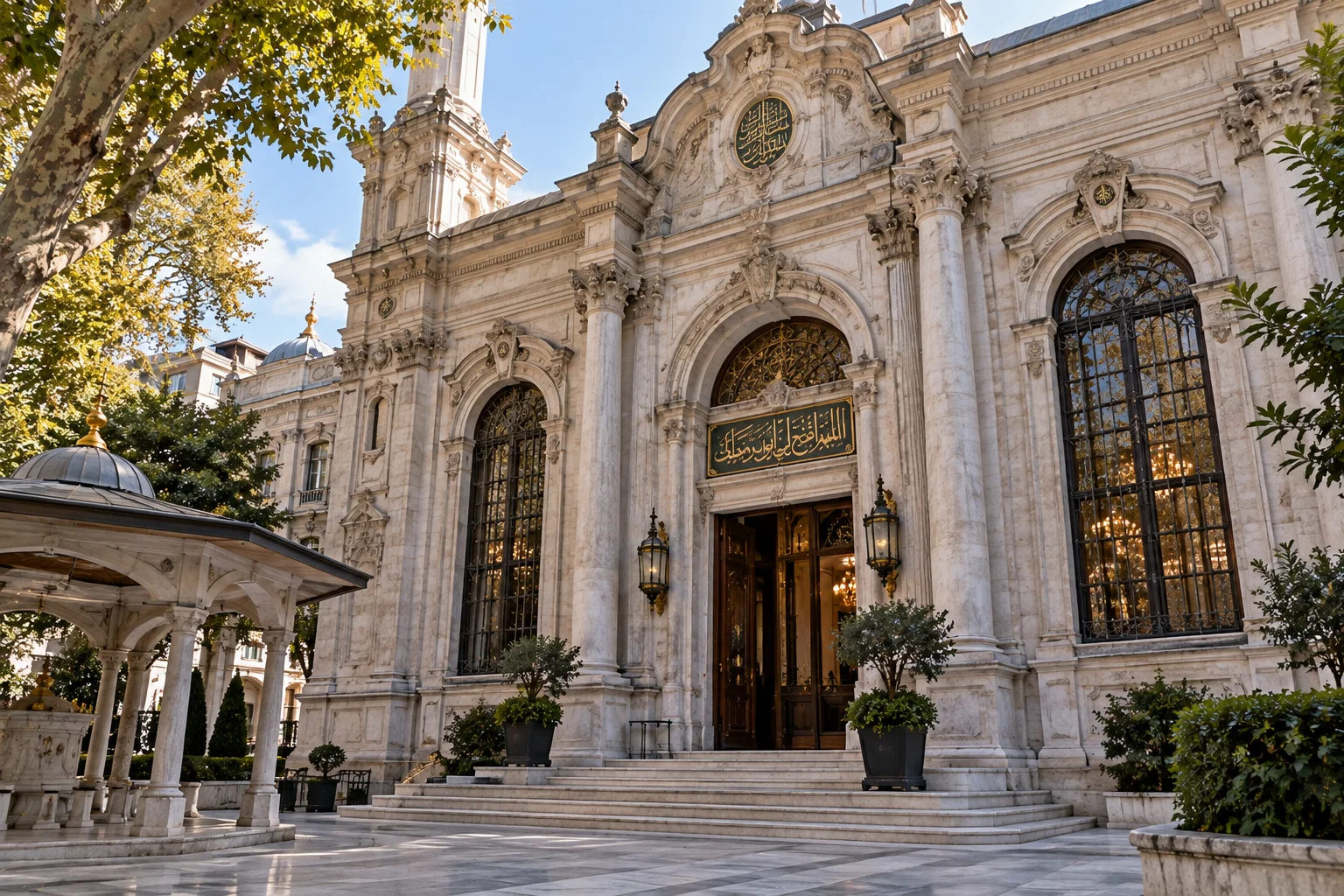
Continue to Teşvikiye Mosque.
Its history is connected with the nineteenth-century growth of the neighbourhood and the reign of Sultan Abdülmecid. Outside, look at the entrance and windows, then at the marker stones in the surrounding area. Together, they give this part of Nişantaşı a history deeper than its shopfronts suggest.
If the mosque is open and you enter, dress respectfully, remove your shoes and make room for worshippers, especially during prayer.
Order Something Worth Stopping For
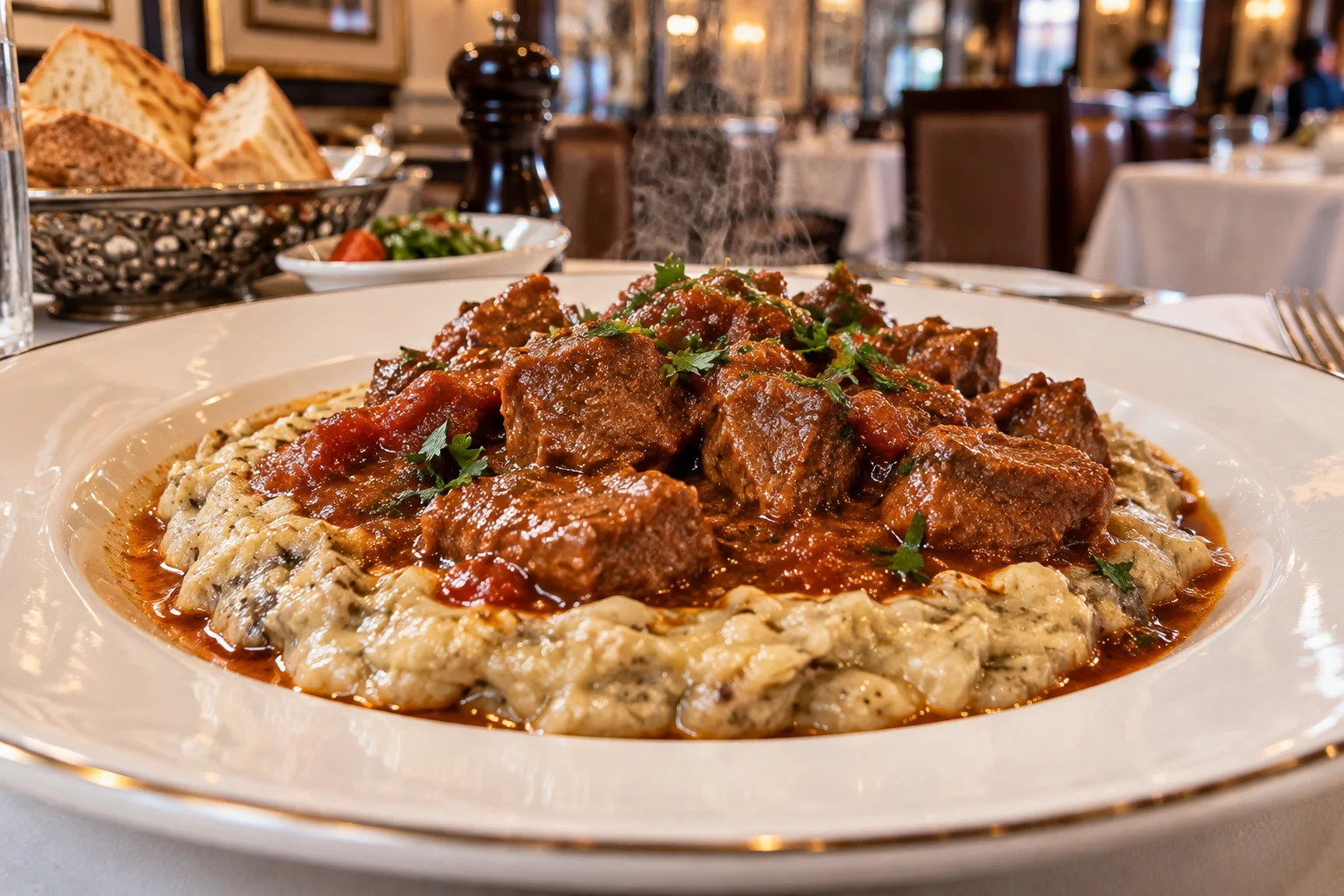
For a proper meal, head to Hünkâr Lokantası on Mim Kemal Öke Caddesi. It began in Fatih in 1950 and moved to Nişantaşı in 2000.
Order hünkârbeğendi if it is on the day’s menu: tender meat served over a smooth, smoky aubergine purée. It is a more useful introduction to the kitchen than asking you to choose blindly. If you want a lighter start, look at the olive-oil dishes before ordering your main course.
Inside, listen to the quieter sounds of a meal taking shape: plates set down, cutlery lifted, a brief exchange with the server. If rice is being served nearby, you may catch the buttery scent as a hot plate passes. Give the food time to arrive and the noise of Cumhuriyet Caddesi time to leave your ears.
Before You Leave
Walk back toward Teşvikiye Caddesi. The elegant displays are still there, but you have also seen the academy behind Harbiye’s name, the marker behind Nişantaşı’s, and the daily work that fills the space between them.
From here, the route continues toward Maçka. Its trees and descending paths will change the feel of the walk once again.
Next walk: Explore Teşvikiye and Maçka, where residential streets lead toward a greener side of Şişli.
💬 Comments (0)
Traveler comments are shown in their original language.
No comments yet. Be the first to share your experience.
💬 Want to join the discussion?
Log in or create an account to leave a comment.