Hagia Sophia Mosque, Trabzon: Centuries of History beside the Black Sea
Explore Trabzon’s Hagia Sophia Mosque, where medieval stone carvings, surviving frescoes and a historic bell tower reveal the city’s layered past.
 Burak ÇınarTurkTravelRadar Founder
October 6, 2026
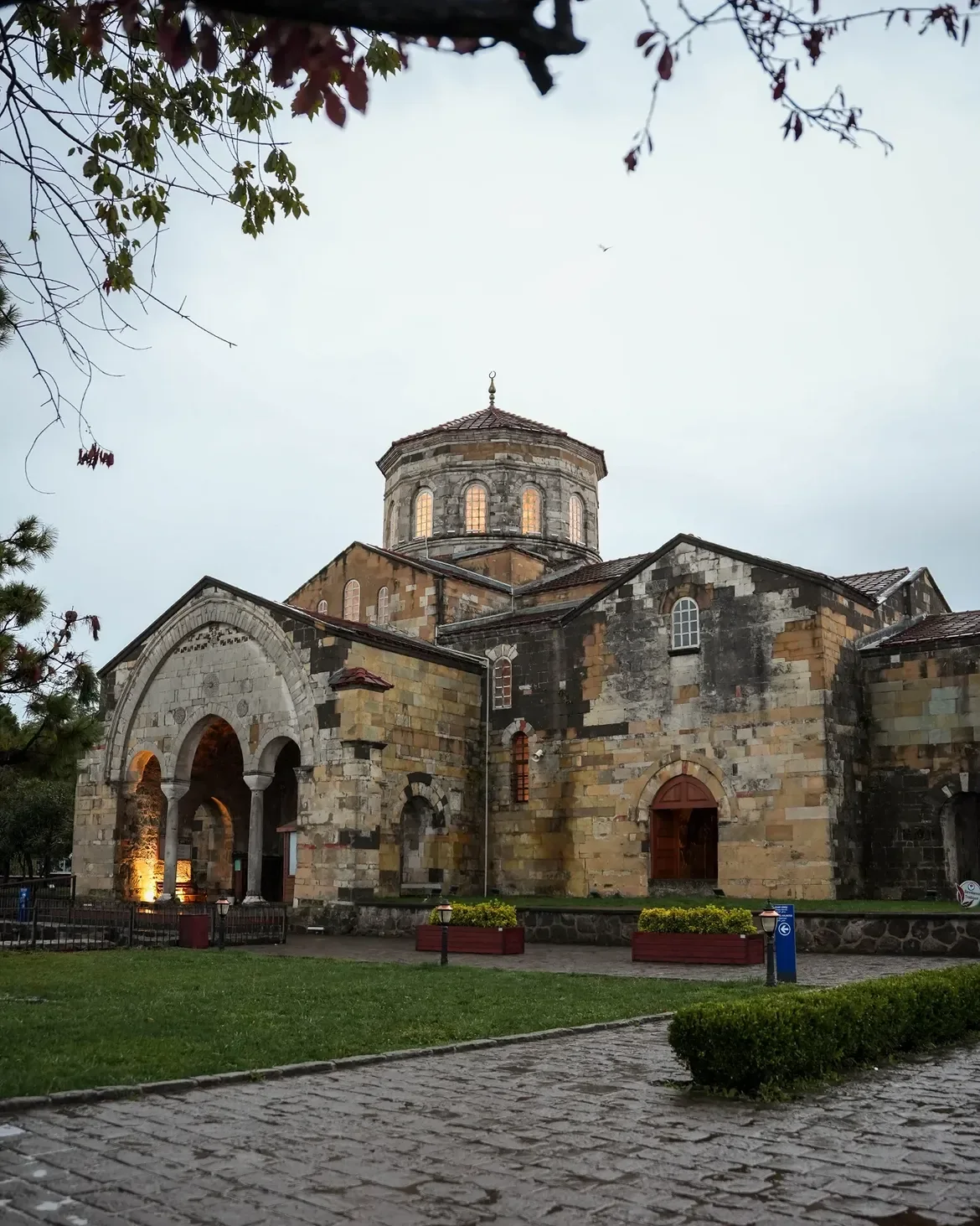
Before stepping inside Trabzon’s Ayasofya, spend a few minutes walking around it. Look at the carved stone above the arches, the shape of the dome and the separate tower standing nearby. There is a surprising amount to discover before you even reach the door.
Known in English as Trabzon Hagia Sophia, this historic building began as a medieval church and serves today as a mosque. Its coastal setting and compact scale make it an inviting stop during a day exploring the city. It is a place where a little attention reveals much more than a quick photograph.
A Surviving Piece of Medieval Trabzon
Ayasofya was built in the thirteenth century, during the reign of Manuel I Komnenos, a ruler of the Empire of Trebizond. This was the medieval state centred on Trabzon, when the city’s connections extended across the Black Sea.
The building later became a mosque under Ottoman rule. Following restoration, it spent several decades as a museum before returning to use as a mosque in 2013.
That history is visible in the building itself. Its original church architecture survives alongside its present religious use, bringing different chapters of Trabzon’s past into the same space.
For visitors, this is part of what makes Ayasofya memorable. You are looking at a historic monument that remains part of daily life.
Look Closely at the Southern Entrance
The southern façade rewards a slower look. Above the entrance, a carved frieze depicts scenes associated with Adam and Eve, while a single-headed eagle, linked to the Komnenos dynasty, appears on the arch’s keystone.
Elsewhere, geometric patterns and carved ornament show influences associated with Seljuk stonework alongside the building’s Christian imagery.
You do not need specialist knowledge to enjoy these details. Start with one carving and follow its outline. Then step back and see how it fits into the whole entrance. The workmanship becomes easier to appreciate when you give your eyes time to adjust.
Frescoes and the Interior
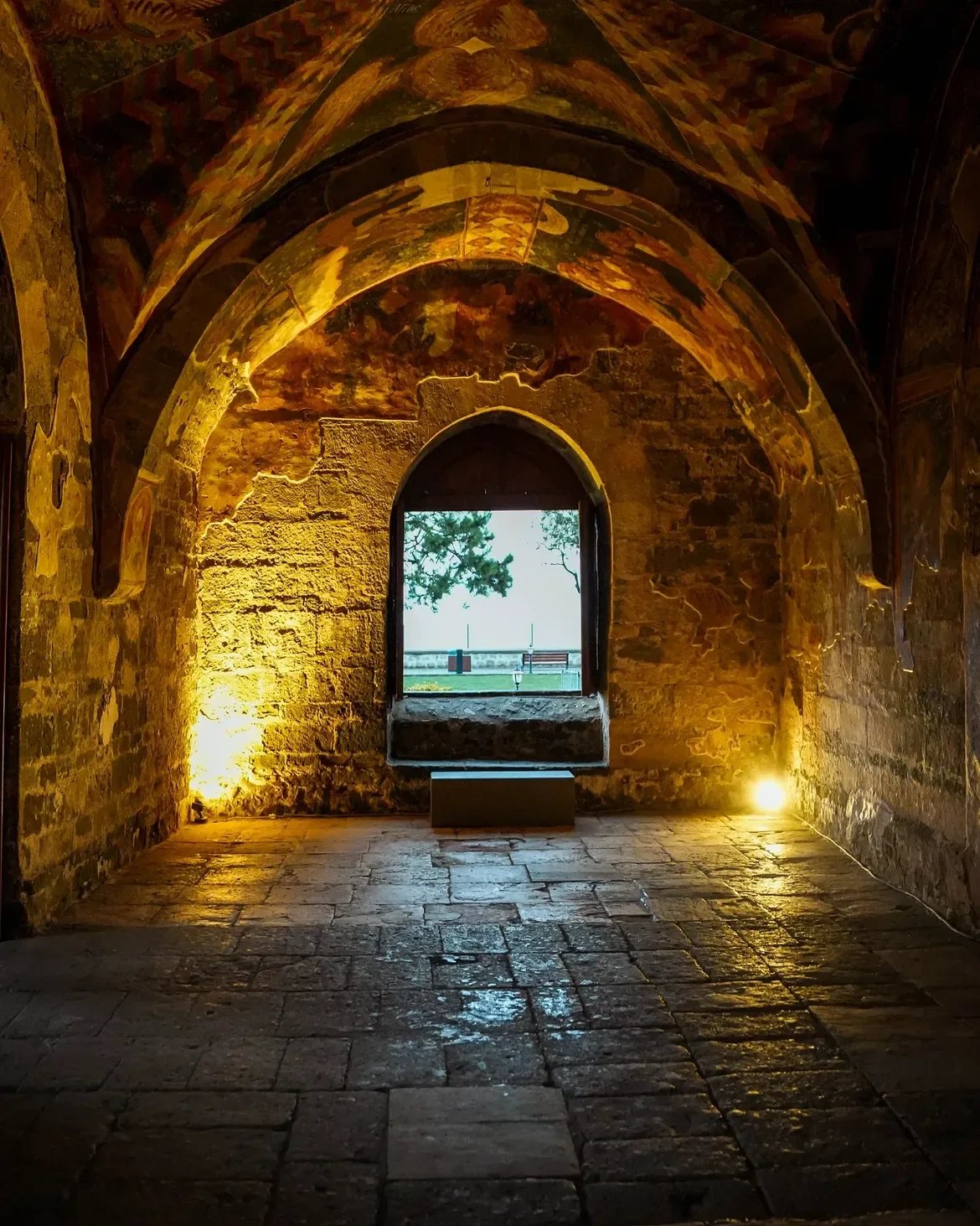
Ayasofya’s surviving frescoes depict biblical subjects, including scenes from the life of Christ. They are an important part of the building’s artistic heritage, although some paintings have suffered damage over time.
Do not expect every fresco to be visible during your visit. The published visitor description notes that paintings in the prayer hall are covered by curtains, while those in the entrance hall remain exposed. Visibility and access should be checked locally.
Where paintings are visible, pause over the smaller details: a surviving expression, a fold in a robe or a fragment of colour. Their age becomes more tangible when you stop trying to take in everything at once.
The Tower outside
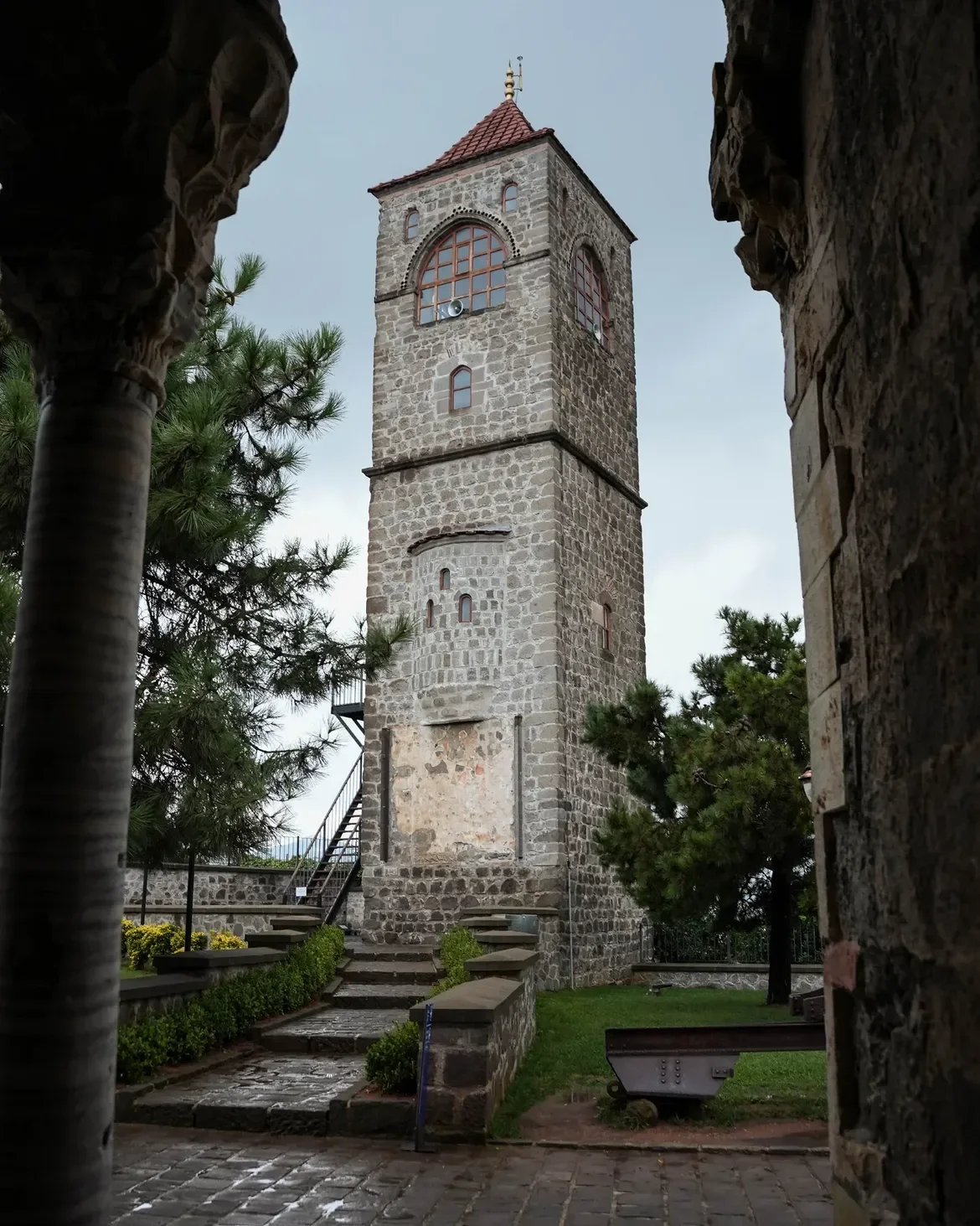
The separate tower west of the main building dates to 1427 and originally served as a bell tower. It later functioned as a minaret during the building’s use as a mosque.
Include it in your walk around the grounds. Looking back towards the main building from different angles helps you notice its proportions—the raised dome, lower roofs and sheltered entrances.
Leave a few minutes for this outside circuit. The interior tells only part of Ayasofya’s story.
Visiting Respectfully
As Ayasofya is an active mosque, plan sightseeing around worship. If prayers are taking place, wait and follow the attendants’ guidance about visitor access.
Wear clothing that covers shoulders and knees, remove your shoes before entering carpeted prayer areas, and bring a headscarf if needed. Keep conversations quiet and ask before photographing worshippers.
Rather than relying on old museum timetables, confirm the day’s visitor arrangements at the entrance.
Walking Note — Physical Effort: 1/5
An editorial estimate for a short visit to the building and grounds. This is a relatively light sightseeing stop, although thresholds, steps and historic surfaces may matter for visitors with limited mobility. Confirm step-free access if required.
Getting There and Planning Your Time
Ayasofya is in Fatih neighbourhood, Ortahisar, approximately three kilometres from Trabzon’s central Meydan area. Local buses and dolmuş services provide access; confirm the appropriate service and stop before boarding.
As a planning suggestion, allow 45–60 minutes to explore the exterior and accessible interior. Leave additional flexibility around prayer times.
Quick Visitor Summary
| Detail | What to Know |
|---|---|
| Location | Fatih neighbourhood, Ortahisar, Trabzon |
| Also known as | Trabzon Hagia Sophia / Ayasofya Camii |
| Origins | Thirteenth-century church of the Empire of Trebizond |
| Current use | Active mosque |
| Main highlights | Stone carvings, accessible frescoes, dome and separate tower |
| Suggested visit | 45–60 minutes, allowing for prayer times |
| Walking effort | Light; estimated 1/5 |
| Visitor tip | Check interior access and fresco visibility on arrival |
Author’s Note for Budget Travelers: When researching how to travel Turkey on a budget or trying to find the cheapest time of year to visit Turkey, visitors often get overwhelmed by rapidly changing attraction costs. If you are calculating is the Turkey Museum Pass worth it for your specific itinerary or looking for ways to save money on a Turkey vacation, seeking out free-to-visit historical landmarks and breathtaking architectural masterpieces located in authentic neighborhoods—such as the spectacular 13th-century stone carvings of the Trabzon Hagia Sophia Mosque—is an incredible secret trick. Furthermore, when comparing regional options to discover how to find cheap beach holidays in Turkey or planning how much money to take to Turkey for two weeks, looking beyond the heavily commercialized resort packages and choosing these free cultural gems remains the ultimate way to experience genuine Karadeniz heritage using shoulder season travel options that won’t overspend your hard-earned holiday budget.
💬 Comments (0)
Traveler comments are shown in their original language.
No comments yet. Be the first to share your experience.
💬 Want to join the discussion?
Log in or create an account to leave a comment.