Gümüşler Monastery, Niğde: A Rock-Cut Courtyard and the “Smiling Virgin Mary
Explore Gümüşler Monastery near Niğde, where a dramatic rock-cut courtyard and Byzantine frescoes surround the celebrated “Smiling Virgin Mary.”
 Burak ÇınarTurkTravelRadar Founder
October 7, 2026
The courtyard is the first thing to take in at Gümüşler. Tall walls rise around an open space, with doorways leading into rooms carved from the rock. Look upwards and there is the sky; look around and you begin to realise how much stone was removed to create this place.
Located in Gümüşler, approximately eight kilometres from Niğde, the monastery is an impressive example of Cappadocia’s rock-cut architecture. Its church, courtyard and underground spaces form a complex designed for both worship and daily life.
The famous painting of the Virgin Mary draws many visitors, but give the whole monastery your attention. The architecture is just as memorable as the frescoes.
A Monastery Carved from the Rock
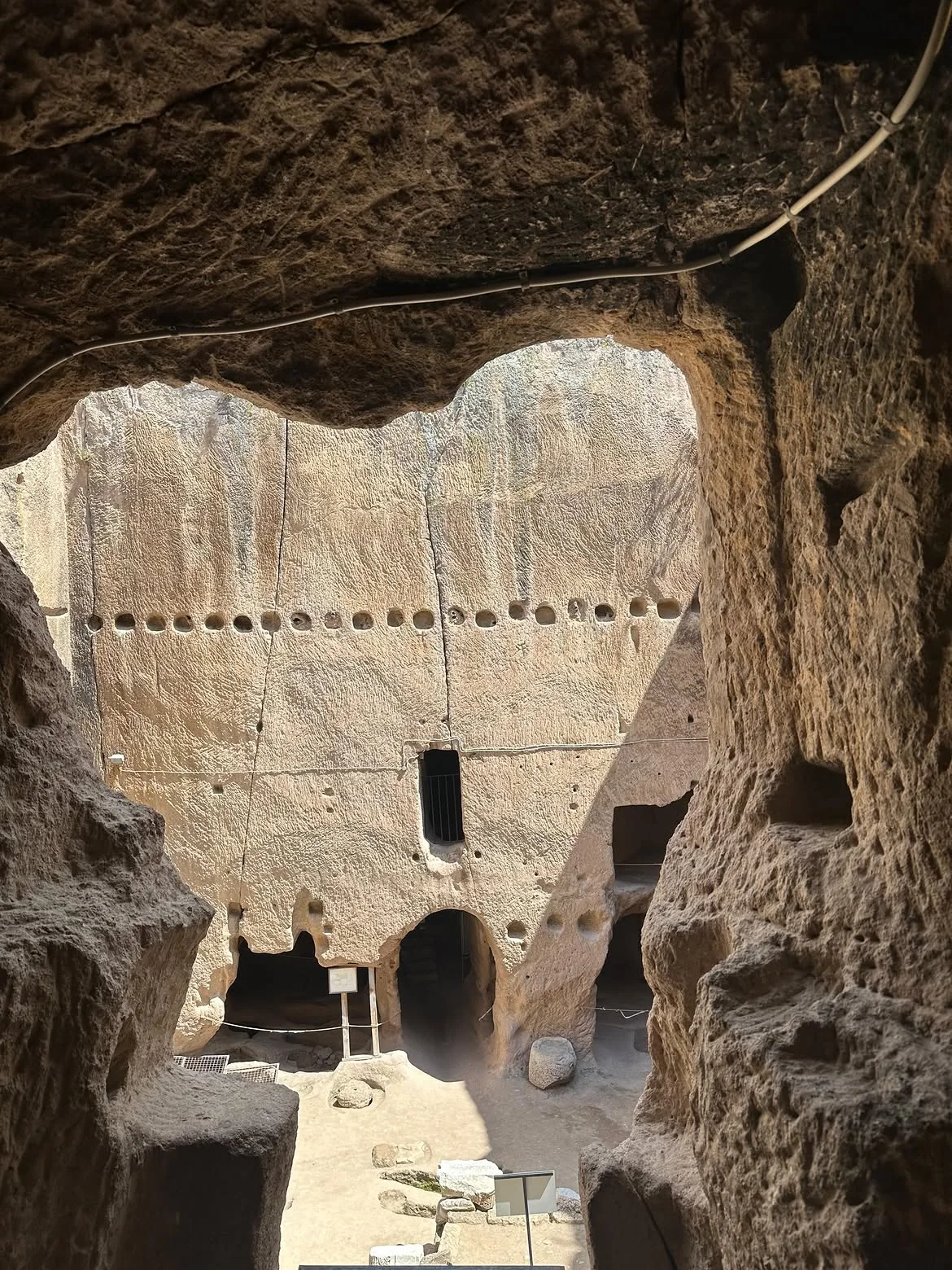
Gümüşler belongs to the group of Cappadocian monasteries arranged around an open courtyard. Its principal church stands within the rock-cut complex, with supporting pillars also carved from the stone.
There is something striking about entering a room whose walls and supports were shaped from the same rock. The builders had to work with the material already there, creating spaces by cutting into it.
Pause in the courtyard before moving between rooms. Follow the edges of a doorway with your eyes, then look at the height of the surrounding walls. Those details make the labour involved easier to appreciate.
The monastery developed during the Byzantine period. Its surviving church paintings are generally dated to the eleventh and twelfth centuries through their style and imagery, rather than a surviving foundation inscription.
The “Smiling Virgin Mary”
Gümüşler is particularly known for the image popularly called the “Smiling Virgin Mary.” The fresco depicts Mary holding the infant Christ, accompanied by the archangels Gabriel and Michael.
Look at her expression for yourself. The familiar name gives you something to notice, but the pleasure lies in studying the painting rather than searching for a dramatic smile.
A face painted centuries ago can bring you unexpectedly close to its maker. The line of the mouth, the position of the child and the arrangement of the surrounding figures all reflect deliberate artistic choices.
Give your eyes time to adjust before trying to photograph it, and follow the site’s photography rules.
More Than One Artist’s Work
The church’s wall paintings are thought to involve at least three different artists. Subjects include the Annunciation, the Nativity and the Presentation of Christ in the Temple, alongside saints and other religious figures.
Knowing this encourages a closer look. Compare how faces, clothing and gestures are painted in different parts of the church. You may begin to notice variation even without specialist knowledge.
Some areas preserve more detail than others. Let the surviving fragments guide your attention: a hand, an outline or a small patch of colour can be worth stopping for.
Courtyard and Underground Spaces
The monastery complex also includes underground rooms, extending the visit beyond the church itself. These spaces help convey the scale of a community whose life involved much more than religious services.
Explore only the sections open to visitors. Ask the attendant which rooms and passages are accessible that day, particularly before entering narrower areas.
Take care at thresholds and changes in floor level. The temptation to look continuously upwards is understandable here, but remember to watch where you are stepping.
Planning Your Visit
As a planning suggestion, allow around one hour, or longer if you enjoy Byzantine painting and rock-cut architecture. Comfortable shoes are useful, and a light layer may help when moving between the courtyard and shaded interiors.
The listed address is Eski Gümüşler neighbourhood, Gümüşler, Niğde. When arranging transport, use the full name Gümüşler Manastırı ve Yeraltı Şehri and confirm your return journey.
Current opening hours and admission prices were not reliably established in the checked sources. Confirm them before travelling, especially for a special journey. The site’s listed telephone number is +90 388 235 25 34; background information is available on the official museum directory page.
Walking Note — Physical Effort: 2/5
An editorial estimate for the main visitor areas. Short walking distances may still involve uneven rock surfaces, thresholds and steps. Underground sections can require more care; confirm access beforehand if you have limited mobility.
Quick Visitor Summary
| Detail | What to Know |
|---|---|
| Location | Gümüşler, approximately 8 km from Niğde |
| Historical character | Byzantine rock-cut monastery |
| Main highlights | Open courtyard, church frescoes and underground spaces |
| Best-known painting | The “Smiling Virgin Mary” with the infant Christ |
| Fresco dating | Generally eleventh–twelfth centuries |
| Suggested visit | Around one hour |
| Walking effort | Estimated 2/5 |
| Before travelling | Confirm hours, admission and accessible sections |
| Contact | +90 388 235 25 34 |
💬 Comments (0)
Traveler comments are shown in their original language.
No comments yet. Be the first to share your experience.
💬 Want to join the discussion?
Log in or create an account to leave a comment.