Göbeklitepe, Şanlıurfa: Standing before 11,000 Years of Human History
Explore Göbeklitepe near Şanlıurfa, where monumental T-shaped pillars and animal carvings offer a remarkable encounter with humanity’s early history.
 Burak ÇınarTurkTravelRadar Founder
October 7, 2026
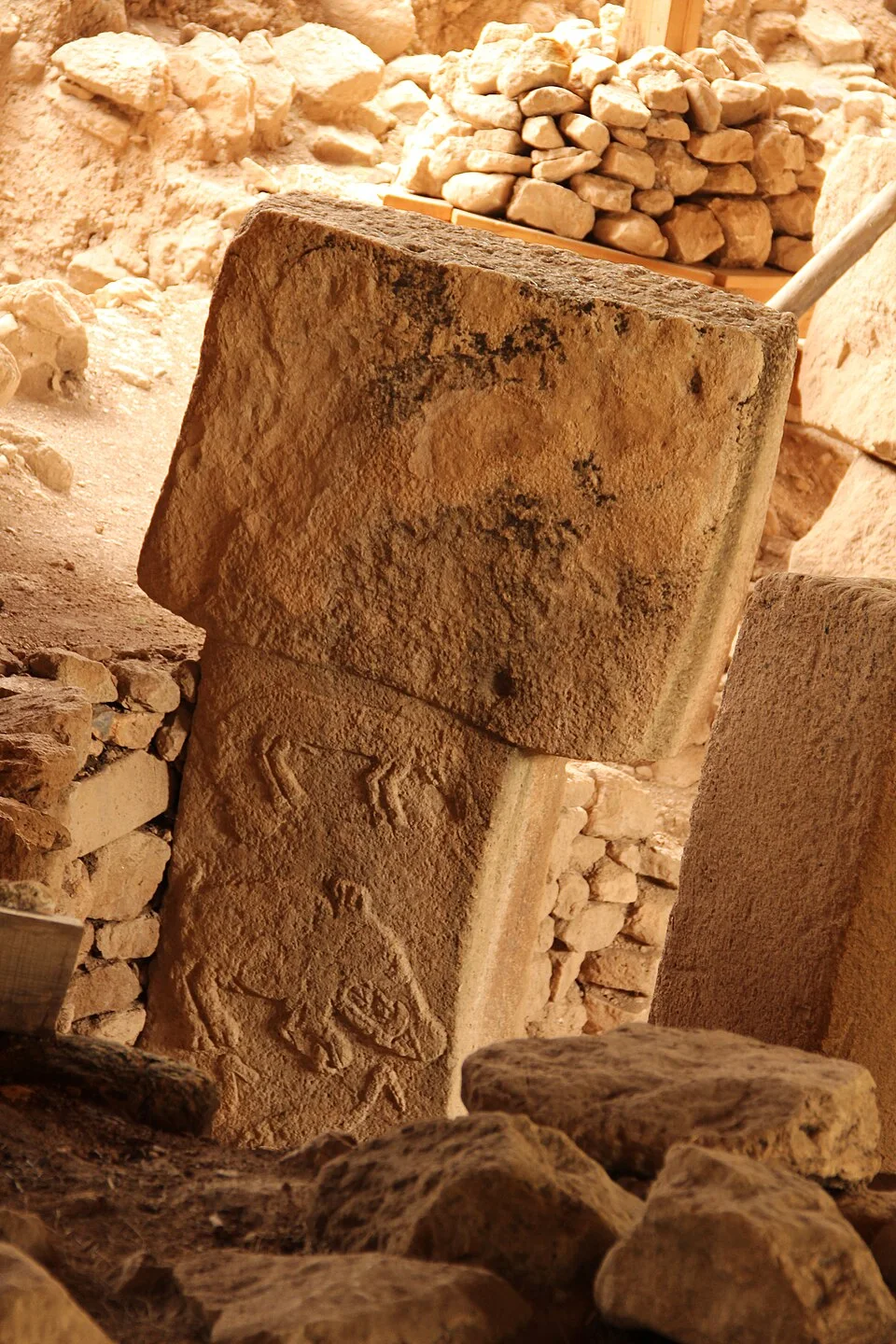
Look at the animals first. A carved body, a pair of legs, a shape that remains recognisable across thousands of years. Then step back and take in the pillars around it.
At Göbeklitepe, the distance between you and the people who made these stones is almost impossible to picture. Yet their workmanship is right there: deliberate shapes, carefully arranged structures and images that mattered enough to carve into limestone.
Located near Şanlıurfa in southeastern Turkey, Göbeklitepe preserves monumental buildings dating to approximately 9600–8200 BCE. Its extraordinary age and architecture earned it a place on the UNESCO World Heritage List in 2018.
Why Göbeklitepe Matters
Göbeklitepe belongs to the Pre-Pottery Neolithic, a period when communities in this region were undergoing the long transition from hunting and gathering towards farming.
The people who built its monumental structures organised the quarrying, shaping and placement of enormous stones. They also gave those stones a rich visual language. This combination makes the site important for understanding early architecture, cooperation and communal life.
The achievement becomes more striking when you think about the work involved. Someone had to plan these spaces. People had to coordinate their efforts. The carvings required skill, time and decisions about what deserved to be represented.
Those human choices are what make Göbeklitepe compelling, even if archaeology is not usually your main interest.
The T-Shaped Pillars
The site’s most recognisable features are its T-shaped limestone pillars. Some represent stylised human figures, with details such as arms, hands and clothing. Others carry reliefs of wild animals and symbols.
Look for individual carvings before trying to understand an entire enclosure. Foxes, snakes, wild boar and other creatures appear among the imagery documented at the site. Their outlines offer a direct connection with the world its builders knew.
The exact meanings remain uncertain. That uncertainty is part of an honest visit: you can admire the craftsmanship without pretending every image has been decoded.
Was It the World’s Oldest Temple?
You will often encounter Göbeklitepe described as the “world’s oldest temple.” It is a memorable introduction, but the archaeological picture is more complex.
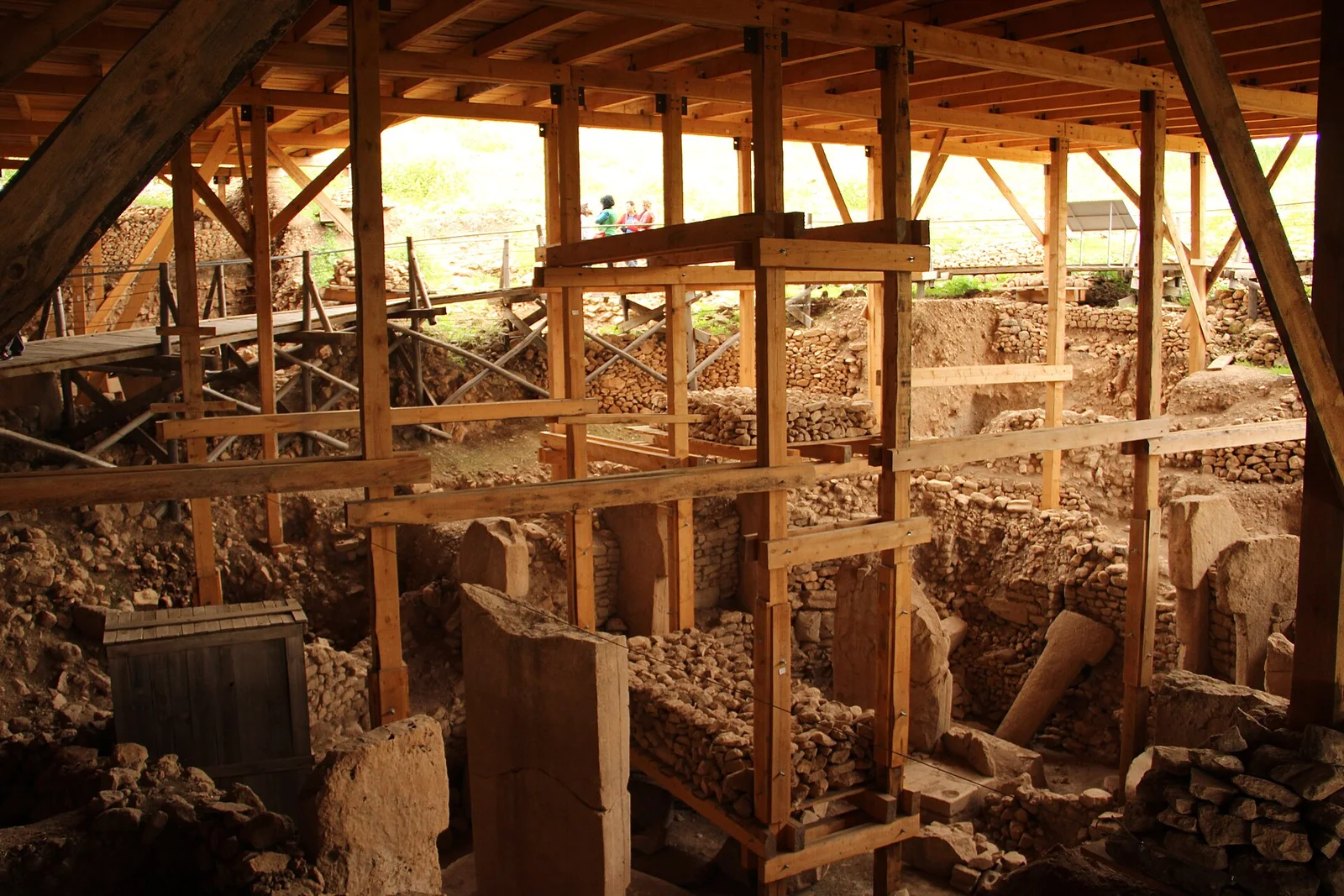
The monumental enclosures are generally interpreted as communal buildings associated with gatherings and rituals. Excavations have also identified smaller structures that appear to have had domestic functions. It is therefore better to approach Göbeklitepe as an early community with remarkable monumental architecture, while recognising that research continues.
You do not need a dramatic claim to make this place impressive. The surviving evidence already gives you plenty to think about.
What the Visit Is Like
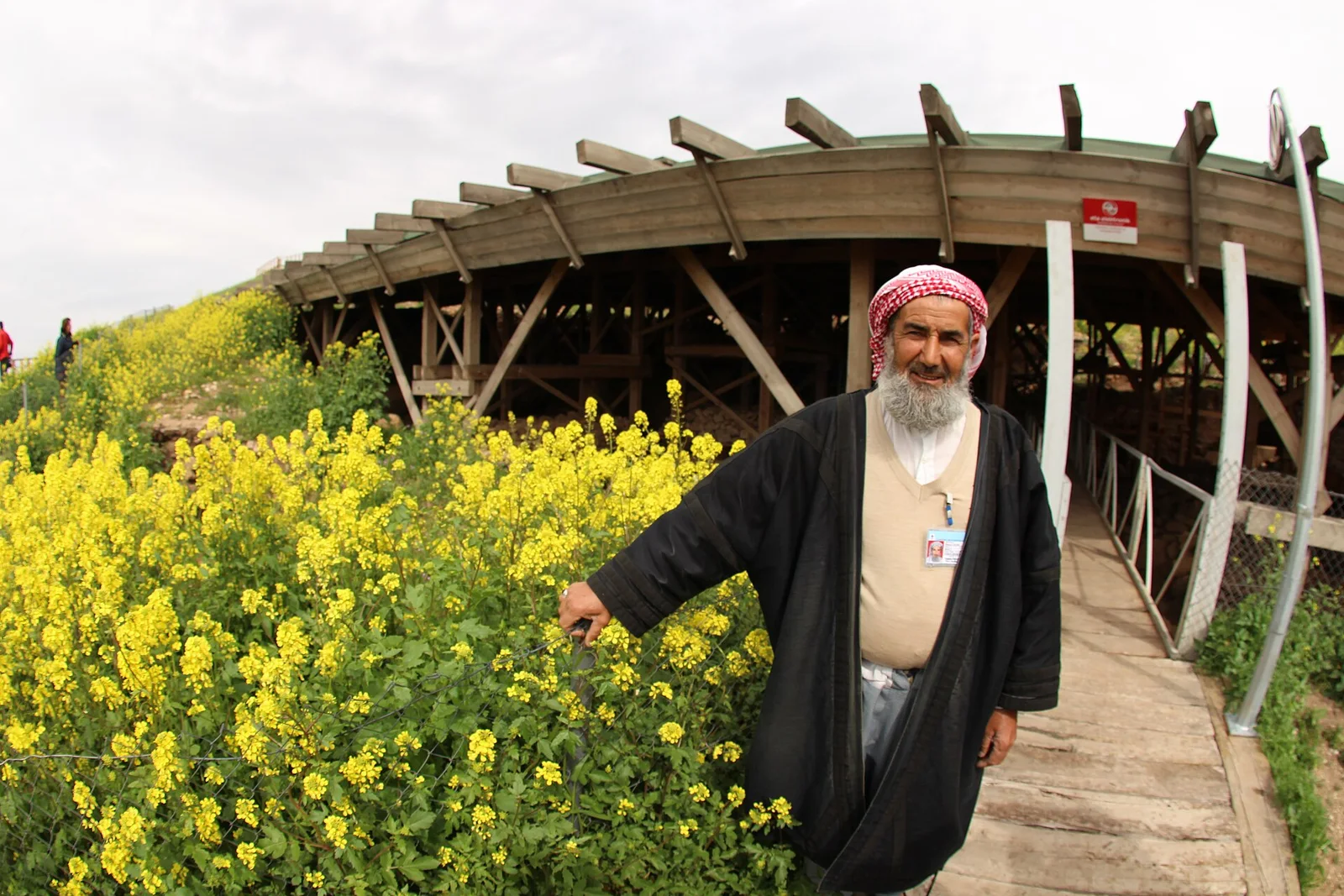
The principal excavated enclosures sit beneath a protective roof, with a designated viewing route around them. You observe the remains from the visitor walkway rather than walking between the ancient pillars. Information displays at the entrance help explain what you are about to see.
Read that background before heading straight to the excavation. Knowing what distinguishes the pillars and enclosures makes the view much more rewarding.
Once there, take a slow circuit. A carving that is difficult to distinguish from one angle may become clearer from another. Leave yourself a few minutes simply to stand and look; this is a place where the dates take time to sink in.
Pair It with Şanlıurfa Archaeology Museum
Şanlıurfa Archaeology Museum is a useful companion visit. Its displays include finds from Göbeklitepe and a reconstruction that helps visitors understand the monumental spaces.
If your schedule allows, visit both. The museum supplies context and closer views of objects; the archaeological site gives you the landscape and the surviving structures themselves.
Practical Visiting Tips
As a planning suggestion, allow 1½–2 hours on site, with additional time for the journey and any waiting. Bring water, sun protection and comfortable shoes. The excavation shelter does not cover every part of your visit.
Arrange your return transport when travelling from Şanlıurfa. If booking an excursion, check how much time it actually allows at Göbeklitepe.
At the time of checking, the official listing shows daily opening from 08:30 to 17:30, with the ticket office closing at 17:00. Confirm seasonal hours, admission prices and pass eligibility through the official visitor page before travelling.
Walking Note — Physical Effort: 2/5
An editorial estimate for the standard visitor route. Expect walking and standing around the viewing areas; heat can make the visit more tiring. Confirm current step-free access and transport arrangements if you have limited mobility.
Quick Visitor Summary
| Detail | What to Know |
|---|---|
| Location | Near Şanlıurfa, southeastern Turkey |
| Period | Pre-Pottery Neolithic, approximately 9600–8200 BCE |
| Main highlights | T-shaped pillars, animal reliefs and monumental enclosures |
| Heritage status | UNESCO World Heritage Site since 2018 |
| Suggested time on site | 1½–2 hours |
| Walking effort | Estimated 2/5 |
| Currently listed hours | Daily, 08:30–17:30; ticket office closes at 17:00 |
| Recommended pairing | Şanlıurfa Archaeology Museum |
💬 Comments (0)
Traveler comments are shown in their original language.
No comments yet. Be the first to share your experience.
💬 Want to join the discussion?
Log in or create an account to leave a comment.